Fall Prevention After 50: The Underrated Bone-Health Strategy
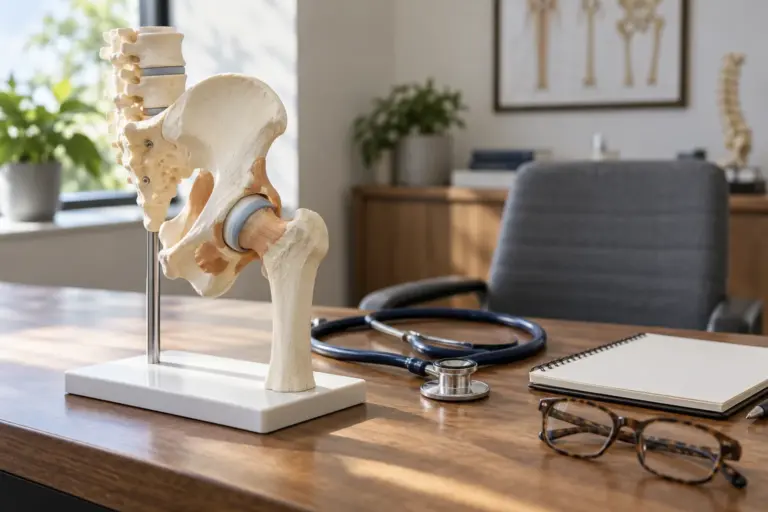
Most hip fractures after 60 happen from a fall, not from a spontaneous break. That means fall prevention is — practically — the single most impactful bone-health intervention you can run alongside any other protocol. Yet most patients hear “increase calcium” and never hear “audit your bathroom for grab bars.” This piece sits on the prevention side of the equation.
The fall-fracture chain
The sequence that produces a hip fracture in most older adults: medication or balance issue → trip or slip → side-impact landing on hip → fracture. Break that chain at any link and you prevent the fracture without changing T-score by a single point. Prevention is dramatically cheaper than treatment in both money and quality-of-life cost.
The four-pillar fall prevention protocol
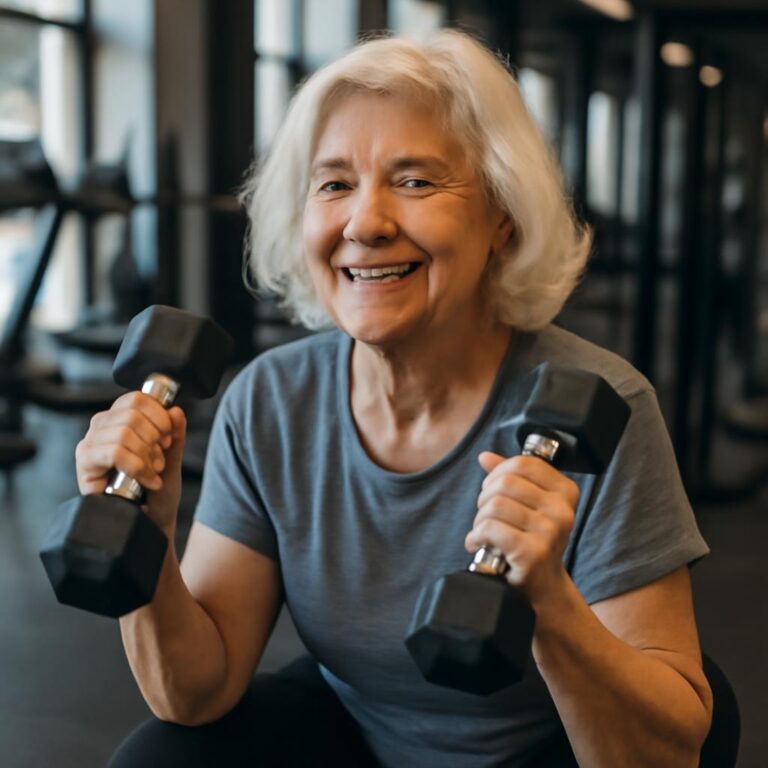
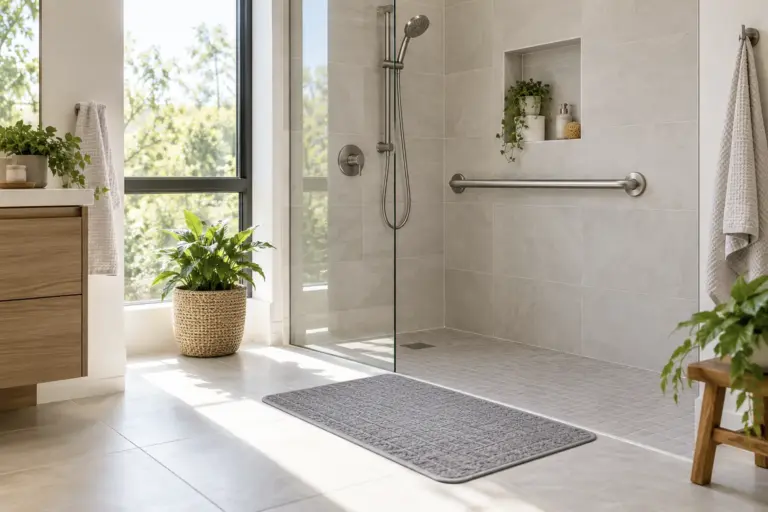
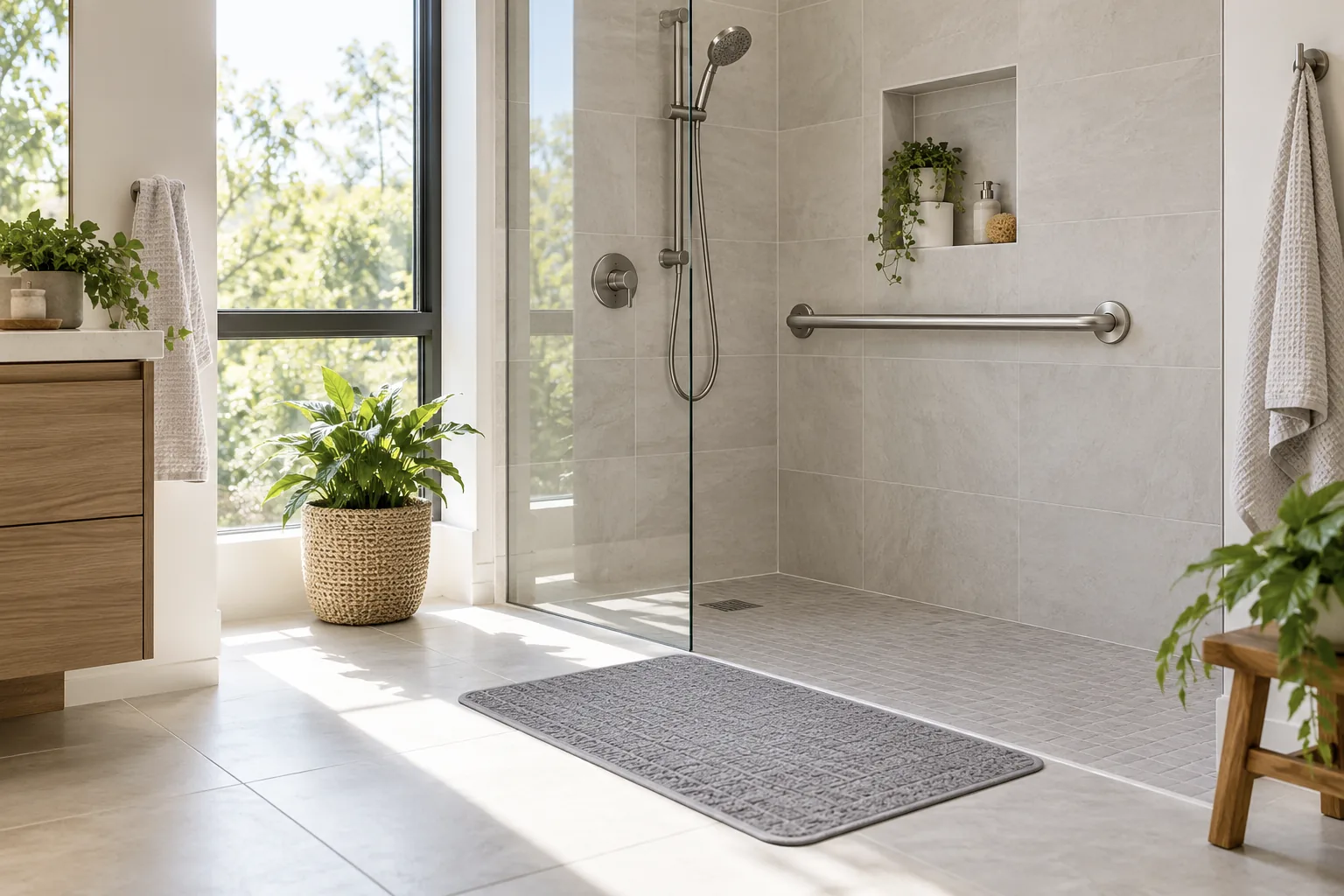
Balance training — single-leg standing, tandem walking, tai chi, dynamic balance work — done 2-3 times weekly produces measurable fall risk reduction over 8-12 weeks. Strength training — particularly lower body and core — gives you the muscle to catch yourself. Home audit — clear paths, secure rugs, grab bars in bathroom, adequate lighting on stairs. Medication review — common culprits: benzodiazepines, sleep aids, multiple antihypertensives causing orthostatic drops, anticholinergics. If you would rather not assemble the balance and strength pieces yourself, there are programmes that bundle balance work with loaded exercise into one weekly schedule.
The vision and hearing pieces
Annual eye exams matter — cataracts and undiagnosed prescription changes are huge fall contributors. Hearing loss is increasingly recognized as a fall risk because it reduces spatial awareness and increases cognitive load on balance. Both are correctable and routinely under-treated. The inner ear belongs on the same list: brief spinning when you roll over in bed or tip your head back is often BPPV, common in older adults and very treatable, but a sudden lurch on the stairs is exactly how it causes falls. It’s worth knowing how to recognise positional dizziness and the warning signs that need urgent care.
When to consider hip protectors
Padded hip protectors are commercially available and have modest evidence for fracture prevention in high-risk frail elderly, particularly in care homes. Compliance is the limiting factor — they need to actually be worn. For independent active adults, the four pillars above produce better outcomes than padding. We looked at what the evidence actually shows for hip protectors in detail — including why the answer flips depending on whether someone is in care or living at home.
A simple weekly check
Once a week: stand on one leg for 30 seconds with eyes open. If you cannot do 20+ seconds reliably, balance training is the top priority over any supplementation change. Track it weekly — it is one of the most sensitive predictors of fall risk improvement.
FAQ
How common are falls after 65?
About one in three adults over 65 falls each year. Half of those who fall, fall again within 12 months.
Does taking vitamin D reduce fall risk?
Modest effect, mainly in deficient individuals. Vitamin D corrects muscle function in deficiency states but is not a fall-prevention magic bullet on top of normal levels.
Is tai chi really worth it?
Yes. Multiple trials show 30-40% fall reduction over 6-12 months. Among the strongest single interventions.
Should I worry about hip fracture if my T-score is normal?
Less so, but not zero. A normal T-score plus a serious fall on hard surface still produces fractures. Prevention applies regardless.