Exercise for Bone Density: Pre vs Post Menopause Strategy
The exercise prescription for bone density is not constant across life stages. What works to build peak bone mass in your 40s is different from what works to slow loss in your 50s and from what works to hold ground in your 70s. Matching the strategy to the phase is the difference between exercise that builds bone and exercise that just feels good.
Pre-menopause (35-50): build the bank
Bone density peaks around age 30 and starts gentle decline from there. The 35-50 window is the last chance to add to peak bone mass that you will draw on for the next 40 years. High-impact and heavy resistance training in this window produces 5-10% T-score gains that protect you decades later. Two heavy training sessions weekly plus 1-2 high-impact days is the gold-standard prescription.
Peri-menopause (45-55): hold the line
Bone loss accelerates 2-5 years before the final menstrual period and through the first 5 years after. This is the steepest decline of life — up to 2% per year at the spine. Exercise priority shifts: maintaining the heavy resistance training is critical because it directly counteracts the estrogen-related loss. Adding impact work where joints tolerate. Not the time to take exercise easy because you are tired.
Post-menopause (55-70): defend the position
Loss rate slows to 1% per year. Resistance training continues to produce gains. Impact work becomes more cautious as joint tolerance varies. The LIFTMOR protocol (heavy back squat, deadlift, overhead press, plus impact loading) was tested specifically in this demographic and produced 3% femoral neck improvement over 8 months.
Later (70+): function-first
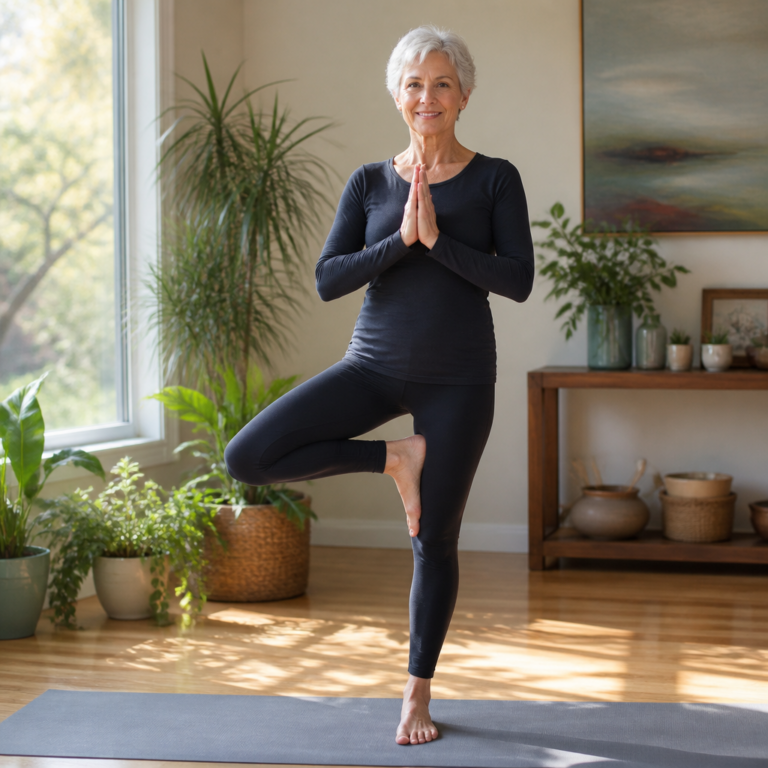
Fall prevention becomes co-primary with bone density. Balance training, light-to-moderate resistance, walking with intermittent challenge. Heavy resistance is not contraindicated and is increasingly recommended even at 80+ with supervision.
The common mistake
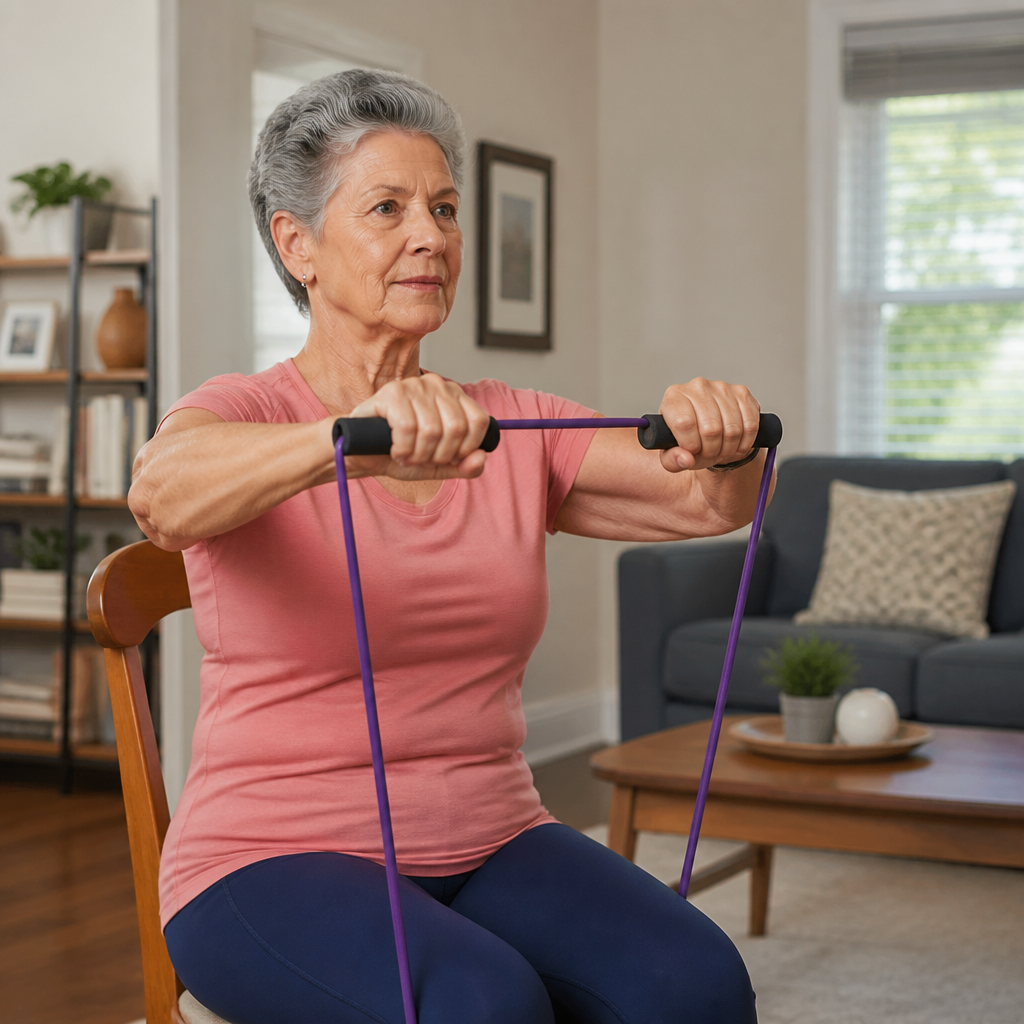
Treating exercise as fitness/cardio rather than as bone loading. Brisk walking 30 minutes daily is wonderful for heart and metabolic health and slows bone loss modestly. It does not build bone. The interventions that produce T-score improvements are loading-specific and effort-specific. If your routine is mostly cardio plus light weights, you are not running the bone protocol you think you are. If you want a sense of what a packaged home routine actually prescribes, we went through how one at-home bone programme structures its sessions and where it stops short.
FAQ
Is high-impact safe in your 60s?
Generally yes with form attention. The LIFTMOR-M trials in older adults showed no injury increase vs control groups.
Should perimenopausal women lift weights they cannot lift more than 5 reps?
5-rep work at high effort is part of the LIFTMOR protocol. With form coaching, yes. Without coaching, ease in slower.
What if I have arthritis?
Work around it with joint-friendly variants (leg press, machines, swimming for cardio + resistance work for bone). Modified is better than skipped.
How long until exercise produces DEXA changes?
12-18 months minimum for clear T-score change. Subjective strength and balance changes show up at 8-10 weeks.