How to Increase Bone Density After 50 (Without the Hype)
Disclosure: We may earn a commission if you purchase through links on this page. This does not affect our editorial assessment. See our affiliate disclosure.
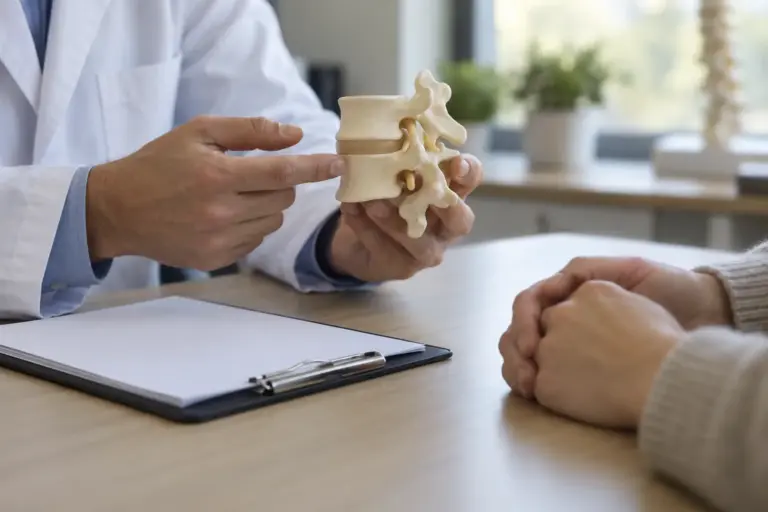
The letter from the clinic uses a word like osteopenia or, worse, osteoporosis, and suddenly you are picturing a future of careful movements and fragile hips. Take a breath. A slipping bone-density number is a warning, not a verdict, and the years after 50 are not simply a slow slide you have to accept. But you deserve the honest version, not the miracle version. Learning how to increase bone density after 50 is genuinely possible, yet the gains tend to be modest, they arrive over months rather than weeks, and they show up most dependably in people with mild bone loss rather than full-blown osteoporosis. Nothing on this page is a cure, and none of it is meant to override the plan your own doctor lays out for you.
With that said, a handful of things really do move the needle, and most of them are within your control. Below I have walked through them in rough order of how much evidence backs each one, starting with the one that matters most. If your aim is to increase bone density naturally and to give any prescribed treatment its best shot at working, this is where your energy belongs.
Start by lifting something heavy
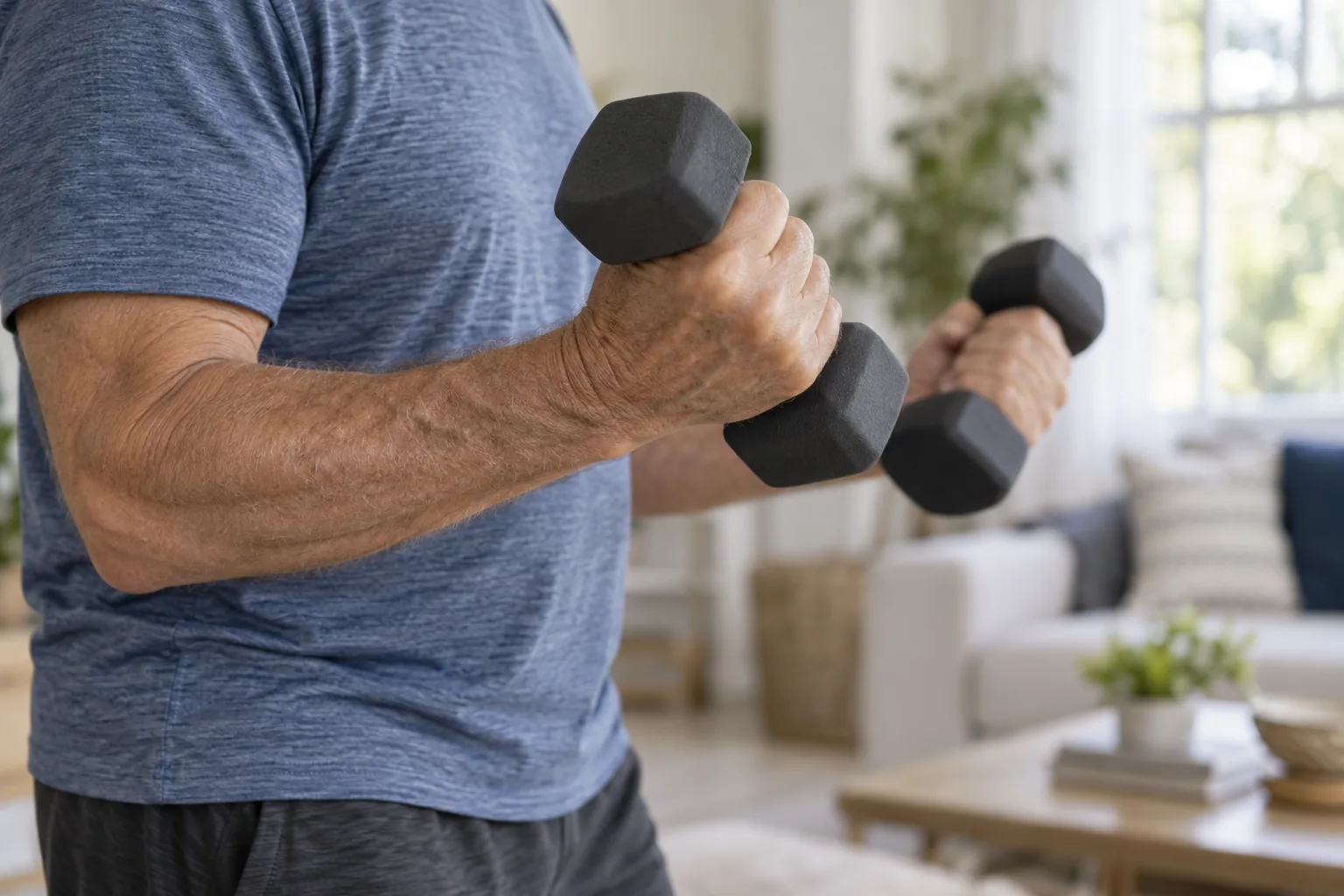
If you change only one habit after reading this, make it this one. Bone is living tissue, and it responds to being asked to do hard work. When a muscle hauls on a bone with real force, the bone reads that strain as a demand and lays down fresh tissue to meet it. Gentle weights and long strolls are wonderful for plenty of reasons, but they simply do not generate enough strain to rebuild bone in any meaningful way. The stimulus that does is heavy, progressive resistance training, the kind where the load keeps creeping upward as you get stronger.
The most persuasive evidence here comes from the LIFTMOR trial. Researchers took postmenopausal women with low bone mass and put them through roughly half an hour of supervised high-intensity resistance and impact work, twice a week, built around deadlifts, squats, and overhead presses. Eight months later the training group had improved bone density at the spine and hip while the control group had not, and they did it safely under supervision. That result carries weight, because the spine and hip are precisely where a fracture does the most damage.
Now, “heavy” means heavy for you, and nobody else. In practice it is a weight you could manage for only about five to eight controlled repetitions before your form started to fall apart, not something you could shift 30 times without much thought. You work up to that gradually across several weeks, and ideally you get a little coaching early on so your technique is solid before the load climbs. Two sessions a week is plenty to begin with. If you want the step-by-step version, our guide to strength training after 50 for bone health and our roundup of the best exercises to improve bone density after 50 both go deeper.
Add a little impact, as much as your body allows
Sitting right alongside heavy lifting is impact: the brief, sharp jolt of your feet meeting the ground. Jumping, hopping, skipping, even the firm stamp of a brisk walk sends a signal up through the skeleton that tells it to reinforce itself. Studies of higher-impact activity have found small but real gains in hip density among people who can tolerate it, and tolerance is the whole game here.
If your joints are healthy and you have no diagnosed spinal fractures, a few controlled jumps or heel drops on most days can do some good. But if you already have osteoporosis, meaningful arthritis, or a history of vertebral fracture, high-impact jumping may not be safe for you, and forcefully bending or twisting the spine can be an outright hazard. This is exactly the sort of judgment call to make with your doctor or a physiotherapist rather than on a hunch. Start gentle, add impact slowly, and stop the moment something hurts.
Give your bones the raw materials
You cannot build bone out of materials you never took in, and protein is the one people most often overlook. Bone is roughly half protein by volume, which makes adequate protein a foundation rather than a nicety, and a great many adults over 50 fall short of it. A sensible target is around 1.0 to 1.2 grams of protein per kilogram of body weight a day, which is higher than the old adult minimum, spread across your meals rather than crammed into one. For someone around 70 kg, or 154 lb, that lands near 70 to 84 grams daily. You may have heard the old worry that protein leaches calcium from bone; the current understanding runs the other way, especially when your calcium intake is where it should be. Our closer look at protein and bone health covers how to actually hit those numbers.
Around that protein base, four nutrients do most of the remaining work, and it is worth knowing what each is for:
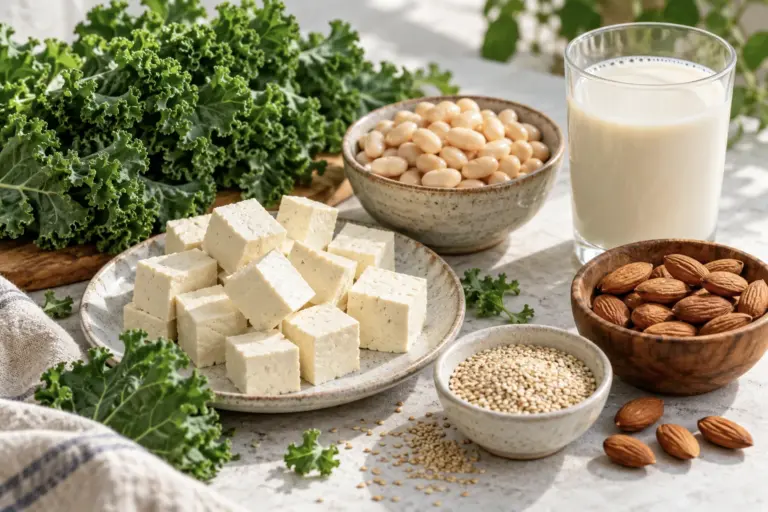
- Calcium, food first. Most adults over 50 need somewhere around 1,000 to 1,200 mg a day, and the best source is your plate: dairy, tinned fish with the bones in, calcium-set tofu, leafy greens, and fortified foods. Food-first is not fussiness; very high-dose calcium supplements have been linked to side effects without any added benefit, so supplement only to close the gap between your diet and your target.
- Vitamin D. This is the partner calcium cannot function without, because it is what lets your gut absorb the calcium you eat. Plenty of people over 50 run low, particularly at northern latitudes or with little sun exposure. A common maintenance dose sits around 800 to 1,000 IU a day, but the smart move is to have your doctor check your level and set a dose for you.
- Vitamin K2. Vitamin K helps steer calcium into bone instead of soft tissue. The evidence for K2 supplements is still developing and frankly mixed, so treat it as supportive rather than essential; natto, some cheeses, and egg yolks are decent food sources.
- Magnesium. It plays a part in activating vitamin D and in the structure of bone itself, and most people can cover their needs through nuts, seeds, legumes, whole grains, and leafy greens.
The short version: build a protein-forward, calcium-rich diet first, then reach for targeted supplements only to fill genuine gaps, guided where possible by a blood test rather than guesswork.
Plug the leaks
Building bone is only half the job. The other half is stopping the quiet losses, and here the everyday habits matter more than most people expect. Smoking is directly toxic to the cells that build bone and a well-established driver of low density and fracture, so quitting is one of the highest-value things you can do for your skeleton, and for the rest of you too. Heavy drinking interferes with bone formation and raises fracture risk, partly through the falls that come with it, so keeping alcohol modest and building in several dry days each week genuinely protects you.
Stress belongs on this list as well. Sustained high cortisol, the body’s main stress hormone, tips the balance toward breaking bone down faster than you rebuild it. You will never erase stress, but movement, connection, and the sleep we are about to get to all help keep that cortisol in check over the long haul. And then there are medications: some drugs, most notably long-term oral steroids, can lower bone density. The right response is never to quietly stop a prescription on your own but to ask your prescriber whether anything you take affects your bones and whether the dose, the duration, or the monitoring ought to change. That is a conversation to have with them.
Sleep on it, and keep showing up
This is the least glamorous piece of the puzzle and one of the most underrated. The constant cycle of breaking down and rebuilding bone is governed by hormones that follow your daily rhythm, and short, broken sleep has been tied to lower bone density, most likely through those disrupted hormones and higher inflammation. Protecting seven to nine hours of decent sleep simply gives the whole system the time it needs to do its repair work.
Consistency, meanwhile, is the thread that ties everything above together. Bone adapts slowly, over months and years, and only to the loads it meets regularly. Two resistance sessions every week for a year will outperform an ambitious burst of effort that has fizzled out by February. The best program is not the most punishing one you can imagine; it is the one you will still be doing next summer.
What progress actually looks like
Here is the honest framing. When exercise and nutrition studies report bone-density gains, the numbers usually land in the low single-digit percentages over about a year, and the strongest results tend to show up in people with osteopenia rather than advanced osteoporosis. That is not a figure that grabs headlines, but in a stage of life when the default direction is downward, holding steady or nudging upward is a real win, and it comes bundled with better strength, steadier balance, and fewer falls, which is what actually keeps you out of a fracture clinic.
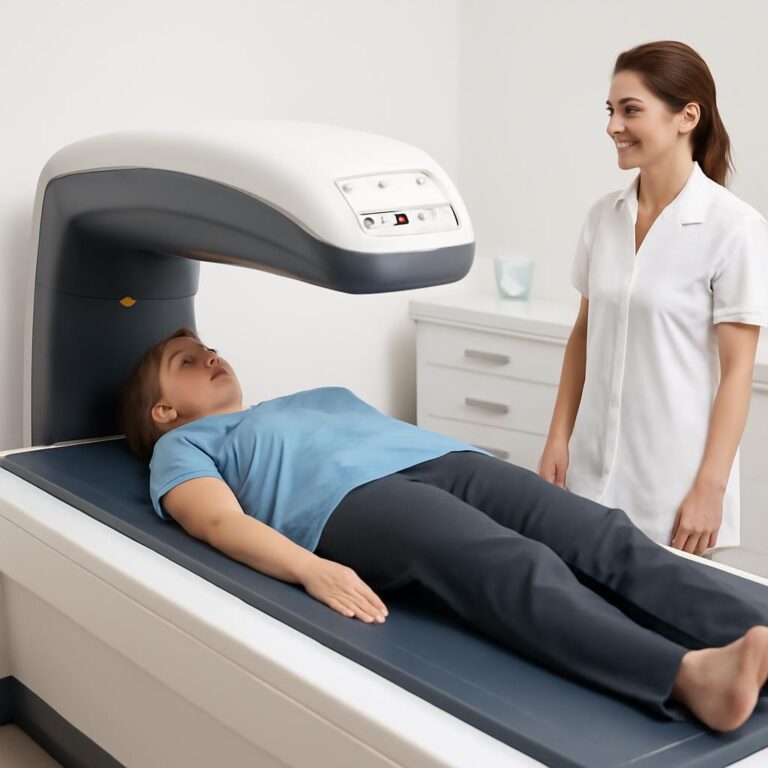
You track all of this with a DEXA scan, which gives you a T-score. Because bone changes so slowly, there is little to be gained from rescanning more often than your doctor advises, which is usually every one to two years; checking monthly will only wind you up. Can you rebuild density, or merely slow the loss? Honestly, both are on the table. Slowing the loss is the more dependable outcome, but supervised heavy lifting has produced measurable increases at the spine and hip, especially in people with osteopenia, and simply preserving what you have is itself worth a great deal. Whether you still need medication on top of all this depends on your fracture risk, and that is your doctor’s call to make with you; for some people with mild loss the lifestyle side may be enough, while for those at higher risk medication may be strongly advised and these habits work alongside it, never instead of it. If you want the fuller picture on what is and is not achievable without drugs, our piece on how to reverse bone loss naturally goes further, and if your doctor has recommended a medication, treat everything above as the foundation that helps it work rather than a reason to skip it. One last practical note: a structured plan can make all of this easier to stick to, and The Bone Density Solution is one such program, best used as a complement to professional care rather than a substitute for it; we set out our reasons and our reservations in a separate piece.
The Bone Density Solution
A structured program designed for adults over 50 to support bone density through diet, exercise, and lifestyle changes — an integrated approach to reducing fracture risk. Best used alongside, not instead of, professional medical care.
Check The Bone Density Solution →Affiliate link — we may earn a commission at no extra cost to you. Full disclosure.
Sources
- Watson SL, et al. High-Intensity Resistance and Impact Training Improves Bone Mineral Density and Physical Function in Postmenopausal Women With Osteopenia and Osteoporosis: The LIFTMOR Randomized Controlled Trial. PubMed.
- National Institute of Arthritis and Musculoskeletal and Skin Diseases (NIAMS). Osteoporosis.
- Bone Health & Osteoporosis Foundation (BHOF). Bone basics and prevention.
- Mayo Clinic. Osteoporosis: exercise, nutrition, and treatment.
Medical disclaimer: This article is for informational purposes only and is not medical advice. See our full medical disclaimer.