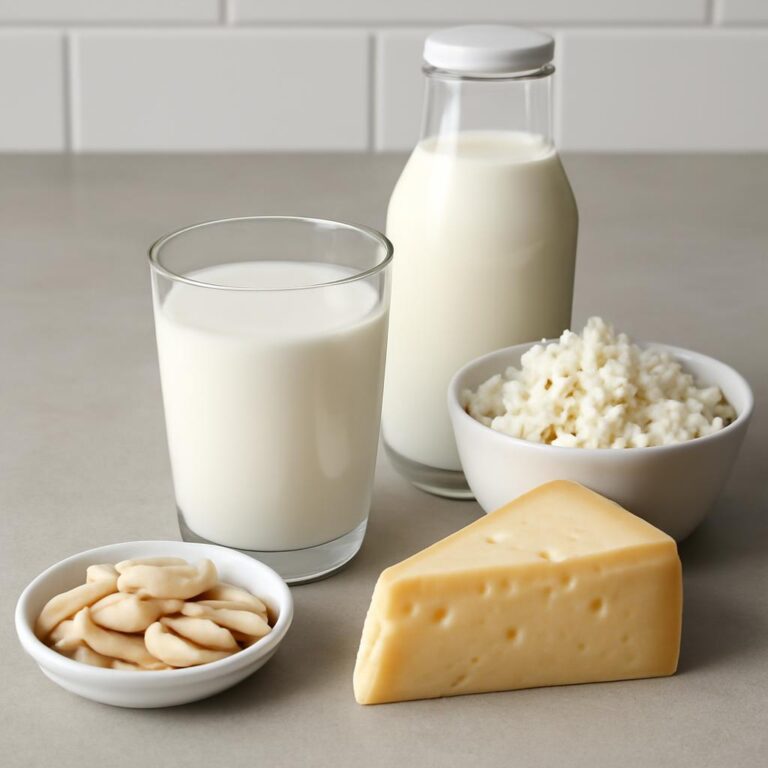

Protein and Bone Health After 50: What the Evidence Shows
Disclosure: We may earn a commission if you purchase through links on this page. This does not affect our editorial assessment. See our affiliate disclosure.
There’s a persistent myth in nutrition that protein is bad for bones — that it leaches calcium and accelerates bone loss. The problem is that the current body of evidence tells a very different story. For older adults especially, protein is not the enemy of bone health. In many cases, it’s essential to it.

What Bone Is Actually Made Of
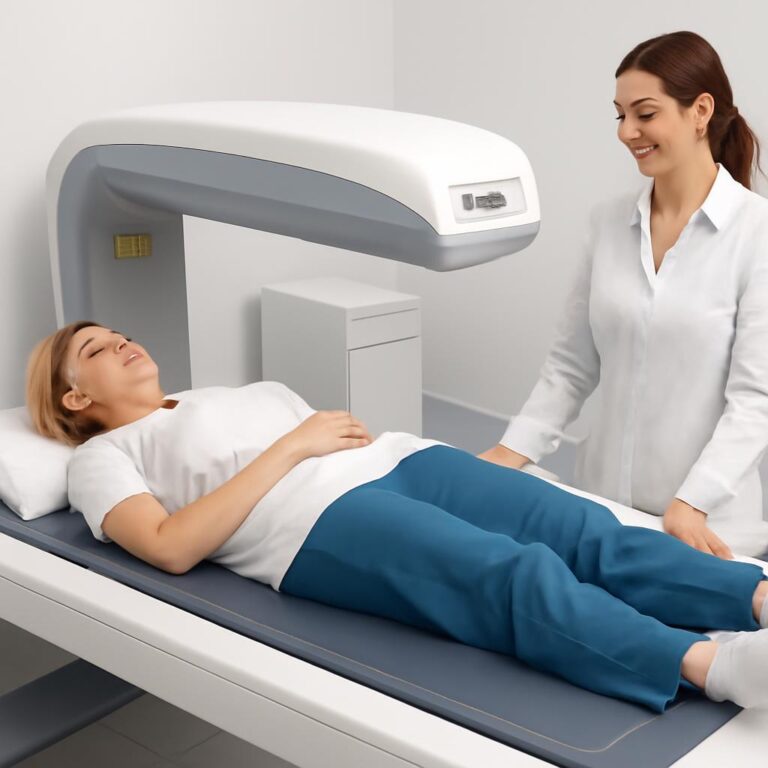
Bone isn’t just calcium and minerals — it’s a living composite material. About one-third of bone by weight is organic matrix, and roughly 90% of that matrix is collagen — a protein. Collagen provides the flexible scaffold onto which minerals like calcium and phosphorus are deposited. Without adequate collagen, bone becomes more brittle and fracture-prone, even if density looks acceptable on a DEXA scan.
The Protein-Bone Myth: Where It Came From
The idea that protein harms bones came from early studies showing that high protein intake increases urinary calcium excretion. The logical leap was that this calcium must be coming from bones. But subsequent research showed that protein simultaneously increases calcium absorption from the gut, and the net effect on bone calcium balance is neutral or positive. Large observational studies — including the Nurses’ Health Study and Framingham Osteoporosis Study — consistently found that higher protein intake is associated with higher bone mineral density and lower fracture risk in older adults.
How Protein Supports Bone Health After 50
Supports the collagen matrix. Collagen synthesis requires adequate protein intake plus vitamin C and other cofactors. As we age, collagen production naturally slows — adequate protein helps mitigate this decline.
Preserves muscle mass. Muscles pull on bones during movement, stimulating bone formation. Sarcopenia — the age-related loss of muscle — is a major independent risk factor for osteoporosis and fractures. Adequate protein is the single most important nutritional factor in preserving muscle after 50.
Supports IGF-1 production. Insulin-like growth factor 1 (IGF-1), stimulated by dietary protein, promotes bone formation. Higher IGF-1 levels are associated with greater bone mineral density in older adults.
How Much Protein Do You Need?
The standard RDA for protein is 0.8 g per kilogram of body weight per day. But an increasing body of research suggests this is too low for older adults focused on preserving muscle and bone. Many researchers now recommend:
- 1.0–1.2 g per kg per day as a general target for adults over 50
- 1.2–1.6 g per kg for those who are physically active or rebuilding muscle
- Distributing protein across meals (25–40g per meal) rather than concentrating it in one sitting
For a 68 kg (150 lb) woman, that’s roughly 68–90g of protein per day — considerably more than the 54g suggested by the standard RDA.
Best Protein Sources for Bone Health
| Food | Protein per serving | Bone health bonus |
|---|---|---|
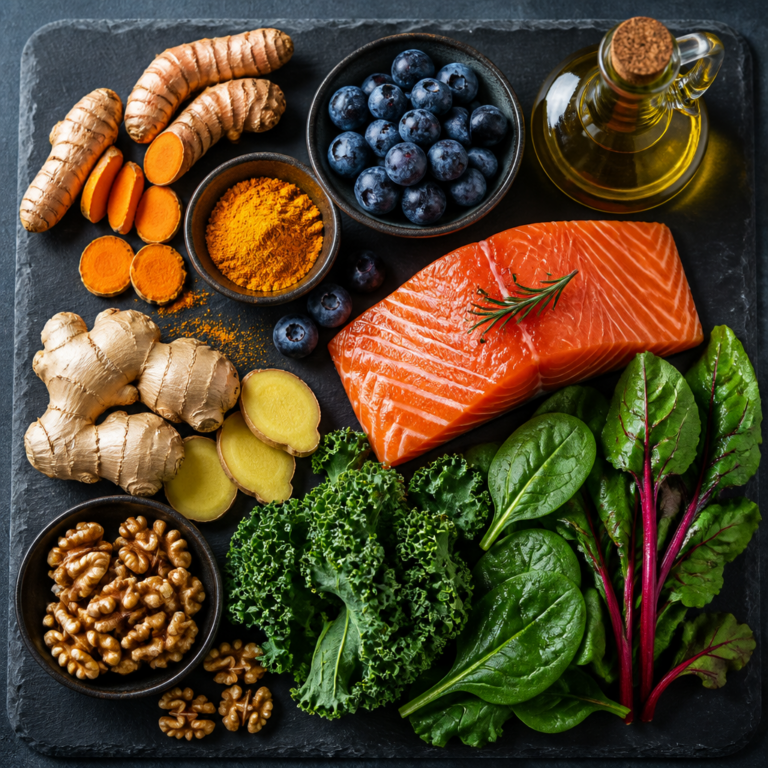
| Salmon (3 oz) | ~22g | Omega-3s, vitamin D |
| Greek yogurt (1 cup) | ~17–20g | Calcium, probiotics |
| Eggs (2 large) | ~12g | Vitamin K2 and D in yolk |
| Chicken breast (3 oz) | ~26g | Lean, complete protein |
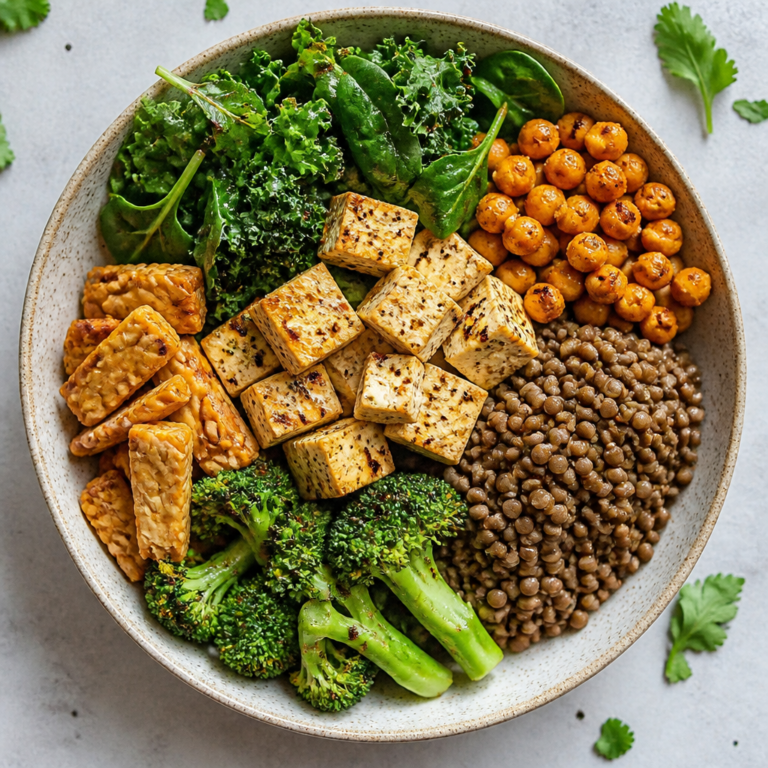
| Lentils (½ cup cooked) | ~9g | Magnesium, folate |
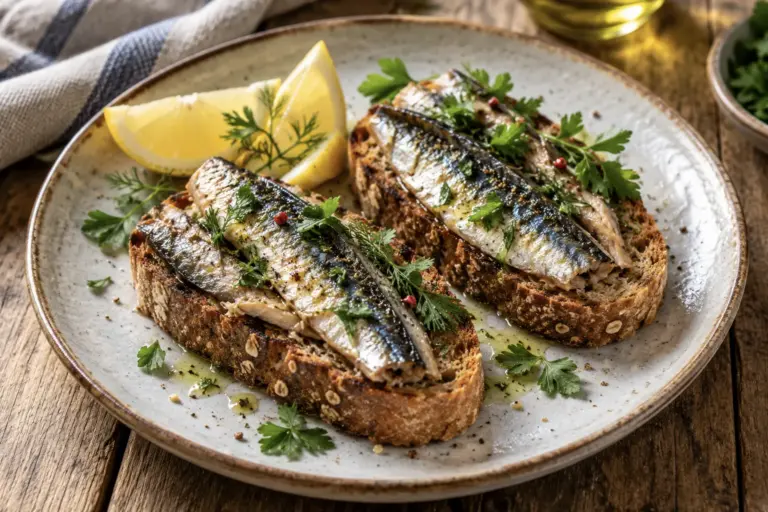
| Sardines (3 oz) | ~21g | Calcium from bones, vitamin D |
| Cottage cheese (½ cup) | ~13g | Calcium, slow-digesting protein |
Collagen Supplements: Worth Considering?
Collagen peptide supplements have attracted growing interest. A randomized controlled trial published in Nutrients found that collagen peptide supplementation combined with resistance training and calcium/vitamin D led to significantly greater increases in bone mineral density in postmenopausal women compared to calcium and vitamin D alone. The evidence is still early, but the theoretical basis is sound — collagen peptides provide the specific amino acids (glycine, proline, hydroxyproline) used to build the collagen matrix of bone.
Protein as Part of a Complete Bone Health Strategy
Protein works best alongside adequate calcium, vitamin D, and magnesium, combined with regular weight-bearing and resistance exercise. For a structured program that integrates all these elements into a clear daily routine, The Bone Density Solution offers a practical, science-informed framework designed specifically for adults over 50.
The bottom line: don’t fear protein. If anything, many older adults aren’t eating enough — and that gap may be quietly costing them both muscle and bone.
Related articles:
The Best Foods for Stronger Bones
7 Best Exercises to Improve Bone Density After 50
Magnesium and Bone Health: a mineral often present in insufficient amounts
Related Articles
The Bone Density Solution
A structured program specifically designed for adults over 50 to improve bone density through diet, exercise, and lifestyle changes. Takes an integrated approach to reducing fracture risk.
Check The Bone Density Solution →Affiliate link — we may earn a commission at no extra cost to you. Full disclosure.
Sources and Further Reading
- NIAMS — Osteoporosis Overview
- Bone Health & Osteoporosis Foundation — Nutrition for Bone Health
- Harvard Health Publishing — Protein and Bone Health
- Mangano et al. (2017) — Dietary Protein and Bone Health. Current Osteoporosis Reports
Disclosure: This article contains affiliate links. We may earn a small commission if you purchase through our links, at no extra cost to you.
Medical disclaimer: This article is for informational purposes only and is not medical advice. Consult your physician before changing supplements, medications or exercise routines, especially if you have been diagnosed with osteopenia or osteoporosis. See our full medical disclaimer.
Looking for a structured approach? Read The Bone Density Solution — our editorial review — a programme covering nutrition, exercise, supplements and lifestyle for adults in the osteopenia range.