Osteopenia Medication vs Natural Approaches: When Drugs Are (and Aren’t) Worth It
Disclosure: We may earn a commission if you purchase through links on this page. This does not affect our editorial assessment. See our affiliate disclosure.
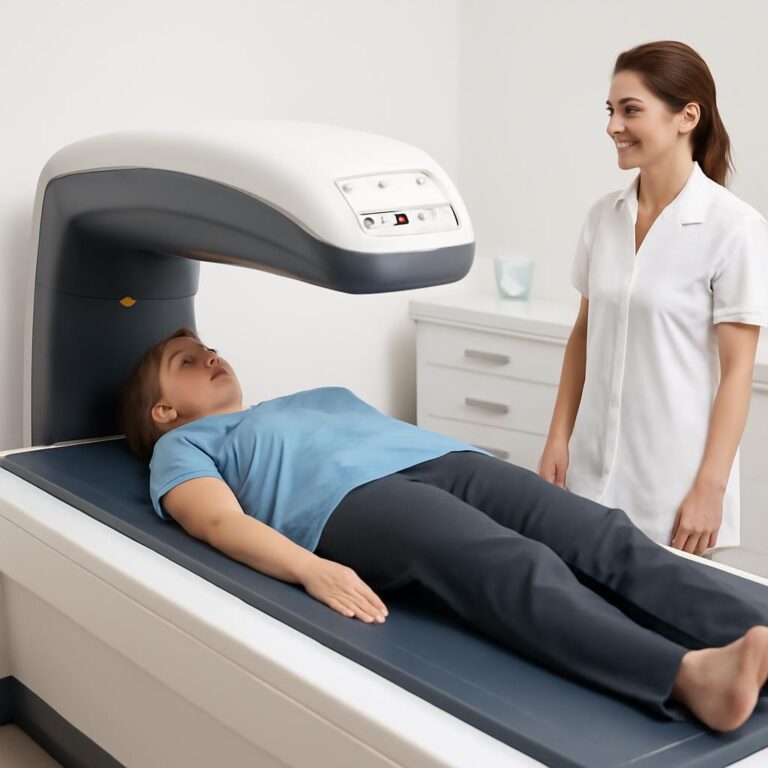
You walk out of the imaging center with a printout and a word you half-recognize: osteopenia. Somewhere between the parking lot and the car, the real question lands. Do you need to be on a drug now, or is this something you can handle with the way you eat and move? It is one of the most common questions in bone health, and one of the most muddled, because the honest answer starts with “it depends” and because osteopenia genuinely lives in a gray zone.
Start with what the word actually means. Osteopenia is less a disease than a measurement, a T-score somewhere between −1.0 and −2.5 that says your bone density has dipped below that of a healthy young adult but has not crossed into osteoporosis. For most people who land in that band, the first move is lifestyle, not a prescription. But most is not all. There are real situations where the right medication clearly lowers your odds of a fracture and deserves a serious look. The useful way to think about this is not drugs versus natural. It is usually some thoughtful mix of the two, matched to how much risk you actually carry.
Why lifestyle comes first for most people
If you have osteopenia and no other warning signs, the major bone-health bodies point you toward everyday habits before they point you toward the pharmacy. The logic is not complicated. Plenty of people with osteopenia carry a fairly modest short-term fracture risk, and the drugs that treat low bone density come with their own side effects, monitoring, and cost. Holding those in reserve for the people most likely to gain from them is careful medicine, not neglect.
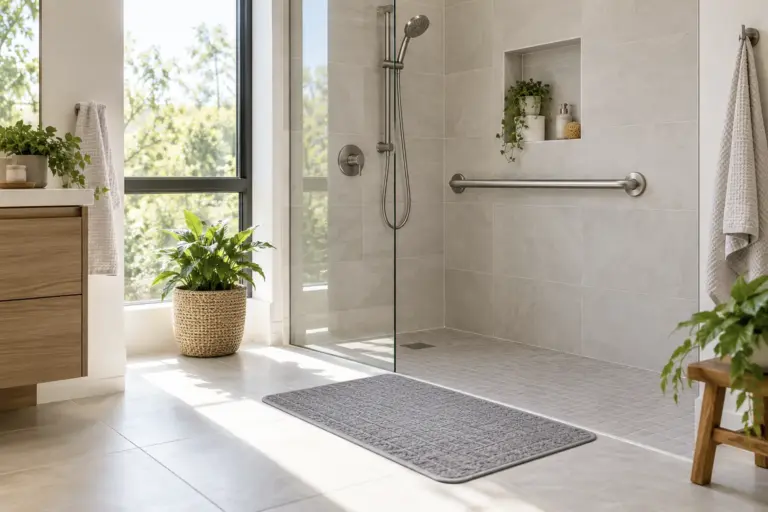
A lifestyle-first plan is really several habits pulling in the same direction. Weight-bearing and muscle-strengthening exercise tells bone to hold its ground, and it sharpens the balance that keeps you upright in the first place. Enough calcium, ideally from your plate rather than a bottle, and enough vitamin D give bone the raw material it runs on. Quitting smoking and keeping alcohol modest removes two well-documented drains on the skeleton. And making your home harder to trip in addresses the other half of the equation, because a bone only breaks when something puts you on the floor. None of this is filler. For a good share of people, this foundation alone keeps bone steady and risk low for years. Our guide to osteopenia treatment without drugs lays out the fuller playbook.
When a doctor starts weighing medication
Lifestyle-first is not lifestyle-only. Once your fracture risk climbs past certain marks, the math changes, and the benefit of heading off a break starts to outweigh the downsides of treatment. The part worth holding onto is that the decision tracks your fracture risk, not your T-score by itself. Two people can share the exact same bone density number and still walk out with very different plans.
A few things tend to move medication onto the table:
- A high FRAX score. The FRAX tool estimates your 10-year odds of fracture from your bone density plus factors like age, past fractures, and family history. A widely used U.S. threshold is a 10-year risk of 3% or more for a hip fracture, or 20% or more for a major osteoporotic fracture. Cross those and a drug is usually worth discussing even if your T-score still reads as osteopenia. Our FRAX score calculator explained guide unpacks how the number is built.
- A prior fragility fracture. If you have already broken a bone from a minor fall or bump, that is one of the strongest signals you might break another, and it often tips the recommendation toward treatment no matter exactly where your T-score sits.
- A T-score creeping toward −2.5. The closer you get to the osteoporosis line, the stronger the case for medication, especially alongside other risks.
- Risk amplifiers. Long-term steroid use, certain medical conditions, and a high chance of falling can each nudge treatment earlier.
If none of that describes you, the argument for medication is usually thin and lifestyle stays the priority. If several of them do, the conversation shifts, and it is a conversation worth having in detail rather than deferring.
What the drugs actually do
When medication is warranted, bisphosphonates are usually the opening move. The family includes alendronate, risedronate, ibandronate, and zoledronic acid, and it works by slowing the cells that dismantle bone, which lets density steady itself or improve a little. These drugs are well studied, available as cheap generics, and taken either as a weekly or monthly tablet or as a once-a-year infusion. The payoff is concrete: in people whose risk is already elevated, bisphosphonates meaningfully cut the chance of spine and hip fractures. That measurable benefit is exactly why they get recommended once risk is high enough.
They are not free of trade-offs, and you deserve the honest version. The oral forms can irritate the esophagus and stomach, which is why you take them with a full glass of water while sitting or standing, not lying down. An infusion can leave some people with flu-like symptoms for a day or two. Rarer but more serious concerns, mostly tied to long-term or higher-dose use, include osteonecrosis of the jaw and unusual thigh-bone fractures. Those rare events are part of why doctors periodically step back and ask whether you still need to be on treatment, sometimes pausing it in what is called a drug holiday. We go deeper on the balance in bisphosphonates side effects explained.
Bisphosphonates are not the whole menu. Denosumab, an injection, and for higher-risk osteoporosis the bone-building agents like teriparatide, come into play in specific cases, and hormone-related therapies are sometimes relevant for certain women. None of these is typically the first stop for osteopenia on its own. If you want to see the options side by side, our overview of osteoporosis medications compared lines them up.
What the natural route does well, and where it stops
The lifestyle side deserves the same even-handed accounting, both the strengths and the ceiling. The strengths are substantial. Exercise, especially resistance training and balance work, builds strength, coordination, and the kind of confidence that keeps you steady, and fewer falls mean fewer fractures even when the density number barely budges. Good nutrition feeds the whole skeleton. These habits carry almost no downside, they hand you benefits for your heart, muscles, and mood at the same time, and they are things you steer day to day. Structured programs can help you stay consistent with them; one we like for adults over 50 is The Bone Density Solution, which packages the diet, movement, and lifestyle pieces into a single plan to follow alongside your doctor’s care. If you are weighing it up, our review of The Bone Density Solution goes through what it contains and who it suits.
The ceiling matters just as much. Diet and exercise can slow bone loss and sometimes nudge density up a little, but they generally do not undo established low bone density the way you might be hoping, and no supplement or eating plan cures osteopenia. If your fracture risk is already high, leaning on lifestyle alone can leave real, preventable risk sitting on the table during the exact years it counts most. Saying that plainly is not pessimism. It is what lets you make an informed choice instead of an anxious or wishful one. And it is worth remembering this was never an either-or: even when you are on medication, the lifestyle foundation still matters and lets the drug do its work in a healthier body. The natural approach is the base layer for everyone. Medication is a targeted addition for the people who need it.
A better set of questions to bring to your doctor
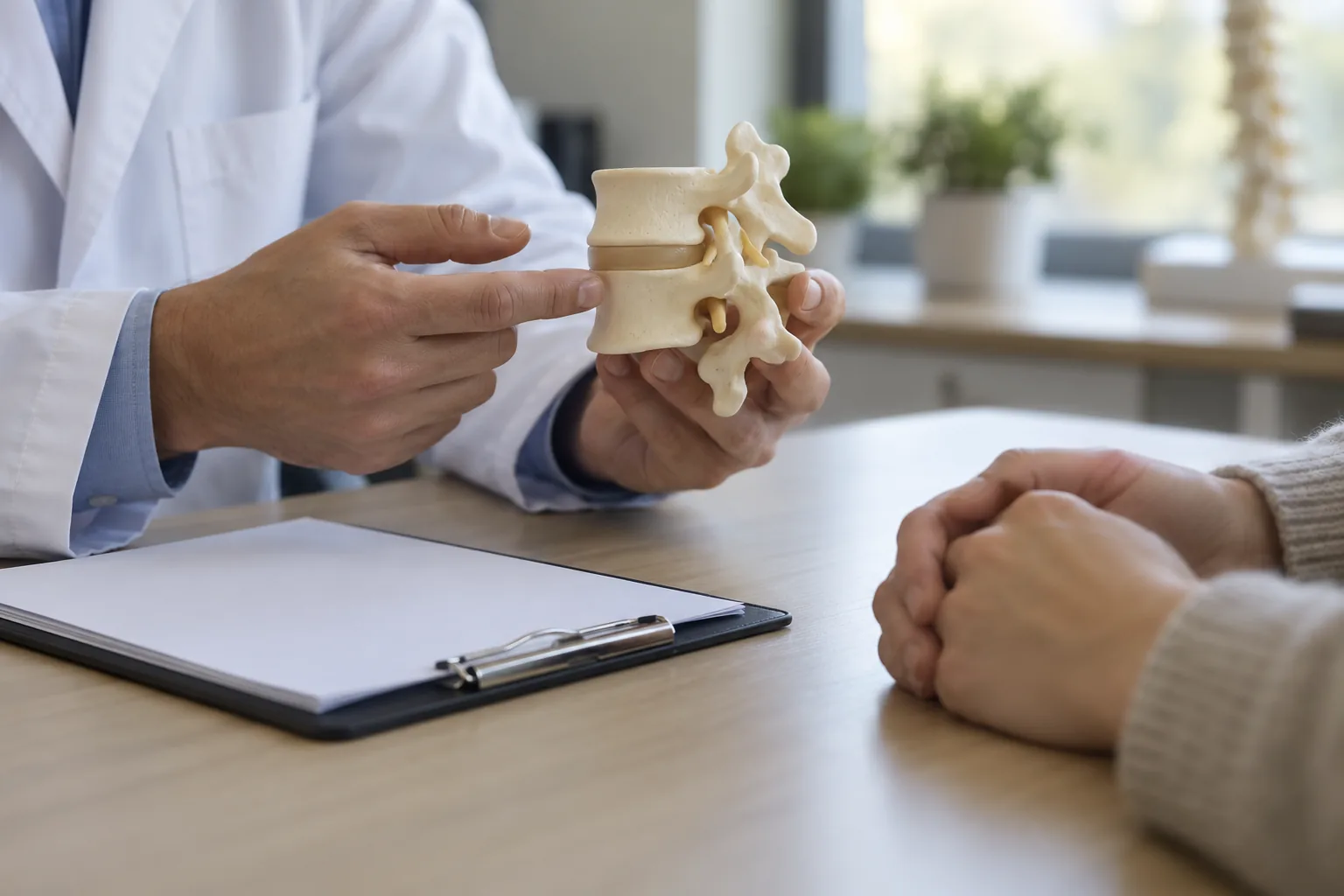
Instead of walking in asking “drugs or natural,” you will get further with a handful of sharper questions. What is my actual fracture risk? Ask for your FRAX result, not just your T-score, and where it lands relative to the treatment thresholds. Do I have any red flags? A prior fragility fracture, steroid use, or a T-score near −2.5 all push toward treatment; their absence pushes back toward lifestyle-first. What would a medication realistically gain me, and what would it cost me? Ask your doctor to weigh the expected drop in fracture risk against the specific side effects that apply to you, not the generic list. Am I actually doing the lifestyle basics well? If not, there may be real room to lower your risk before or alongside any drug decision. And how, and when, will we check this again? Your bone density and your risk shift over time, so the plan should too. Whatever you decide now is not carved in stone.
Worked through honestly, those questions tend to land you somewhere that fits: lifestyle alone for many, lifestyle plus medication for those carrying more risk, and either way a clear sense of why. That clarity, more than any single pill or program, is what you are really after.
The Bone Density Solution
A structured program designed for adults over 50 to support bone density through diet, exercise, and lifestyle changes — an integrated approach to reducing fracture risk. Best used alongside, not instead of, professional medical care.
Check The Bone Density Solution →Affiliate link — we may earn a commission at no extra cost to you. Full disclosure.
Sources
- National Institute of Arthritis and Musculoskeletal and Skin Diseases (NIAMS) — Osteoporosis
- Bone Health & Osteoporosis Foundation (BHOF)
- NHS — Osteoporosis
- Mayo Clinic — Osteopenia and bone health
Medical disclaimer: This article is for informational purposes only and is not medical advice. See our full medical disclaimer.