
Pregnancy and Bone Density: What Changes, What Recovers, What Persists
During pregnancy and lactation, a substantial amount of calcium moves from the maternal skeleton to the developing baby. Bone density measurements drop measurably during late pregnancy and lactation, and then typically recover within 6-12 months of weaning. For most women, this normal cycle does not predict osteoporosis later. But certain patterns can — and understanding them matters for long-term bone planning.
What normally happens to bone density during pregnancy
Maternal calcium absorption from the gut roughly doubles in the second and third trimesters, driven by increased active vitamin D production. Some calcium also comes from the maternal skeleton, particularly the trabecular bone of the spine. By the end of pregnancy and through lactation, lumbar spine BMD has typically dropped 3-7%. The hip drops less, around 1-3%.
The lactation effect
Lactation typically extends the bone-loss period by another 6-12 months, with continued maternal calcium transfer to breast milk. Total calcium transfer during pregnancy and 6 months of breastfeeding can exceed 50 g — about one-fifteenth of the maternal skeleton calcium content. The body has evolved to absorb this loss efficiently.
What recovery looks like
For most women, after weaning and resumption of regular cycles, lumbar BMD recovers within 6-12 months, often back to pre-pregnancy levels or higher. Multiple pregnancies do not appear to accumulate net deficit in most women. The system is designed for cyclical bone donation and recovery.
When recovery is incomplete
Three patterns can result in incomplete recovery. First, very young or older maternal age (under 20, over 38) sometimes produces less complete recovery. Second, very prolonged lactation (over 24 months continuous) can extend the deficit period. Third, pregnancy or lactation-associated osteoporosis (PLO) — a rare but serious condition — produces clinically significant bone loss that may not fully recover. PLO typically presents with multiple vertebral fractures during late pregnancy or postpartum.
Implications for bone density after 50
A history of normal pregnancy and breastfeeding is generally bone-protective in the long term — the population of women who have had children has slightly lower osteoporosis rates than nulliparous women, controlling for other factors. The exceptions are women who had pregnancy-associated osteoporosis, who developed pregnancy-related amenorrhea afterward, or who had multiple pregnancies with very poor nutrition.
What screening makes sense
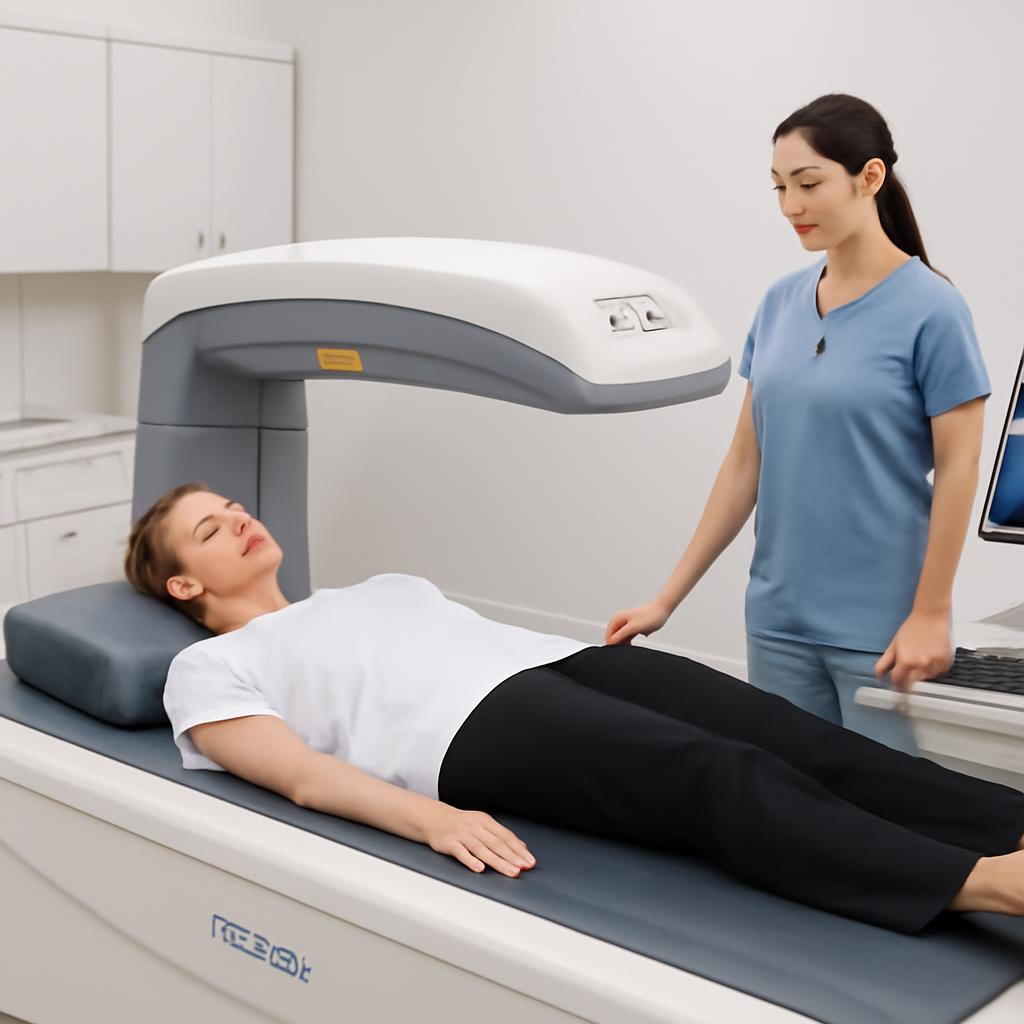
For women with a history of PLO or persistent pregnancy-related amenorrhea, DEXA screening should occur earlier and more frequently. For women with normal pregnancy and lactation histories, standard postmenopausal screening guidelines apply.
Frequently asked questions
Does breastfeeding cause osteoporosis?
For the vast majority of women, no. The system is designed to recover the lost bone within a year of weaning. The exceptions are rare and identifiable.
Should I take extra calcium during pregnancy or breastfeeding?
Standard prenatal vitamins provide adequate calcium for most women. Megadosing does not improve outcomes and can have side effects.
Does having many children increase osteoporosis risk?
Most longitudinal studies find no meaningful effect from parity per se. Other lifestyle factors that often correlate with multiple pregnancies (early life nutrition, time-pressure on self-care, breastfeeding duration) may have small effects.
What is pregnancy-associated osteoporosis?
A rare condition affecting roughly 1 in 30,000 pregnancies, typically presenting with vertebral fractures in the third trimester or early postpartum. It is treatable; specialist referral is essential.
Related reading: The Bone Density Solution review · Vitamin K2 and bone health