
SSRI Antidepressants and Bone Density: Quantifying the Risk
Of all the modern medication classes, SSRI antidepressants have one of the better-documented but least-discussed effects on bone density. The association is consistent in observational studies, modest in magnitude, and rarely a reason to stop the medication. But it is a real factor in the overall fracture-risk equation and worth understanding if you are taking SSRIs after 50.
What the data show
Several large cohort studies (including data from the Study of Osteoporotic Fractures and several large US health system databases) consistently find that SSRI users have approximately a 1.5-2.0 fold increased risk of non-vertebral fracture compared to non-users, after adjusting for depression, comorbidities, and other medications. BMD reduction is smaller — typically 0.5-1.5% per year over baseline rates of decline.
Why SSRIs affect bone
Several mechanisms have been proposed. Serotonin receptors exist on osteoblasts and osteoclasts; SSRIs alter bone cell signaling. SSRIs may increase falls (through serotonergic effects on balance and orthostatic tolerance). They may interact with calcium absorption. The exact contribution of each mechanism remains under study, but the biologic plausibility for both bone loss and fall risk is established.
How the fracture-risk increase decomposes
Roughly half of the elevated fracture risk in SSRI users comes from increased falls (orthostatic hypotension, hyponatremia, mild balance changes) and roughly half from changes in bone strength itself. The relative importance varies by individual — older patients with multiple medications often have more fall-driven risk.
Risk stratification
The fracture risk increase is not uniform. Higher risk: women over 65, daily SSRI use for more than 5 years, concurrent benzodiazepine use, prior fall history, and pre-existing osteoporosis. Lower risk: short-term SSRI use, younger patients, and concurrent regular exercise and adequate nutrition.
Practical implications
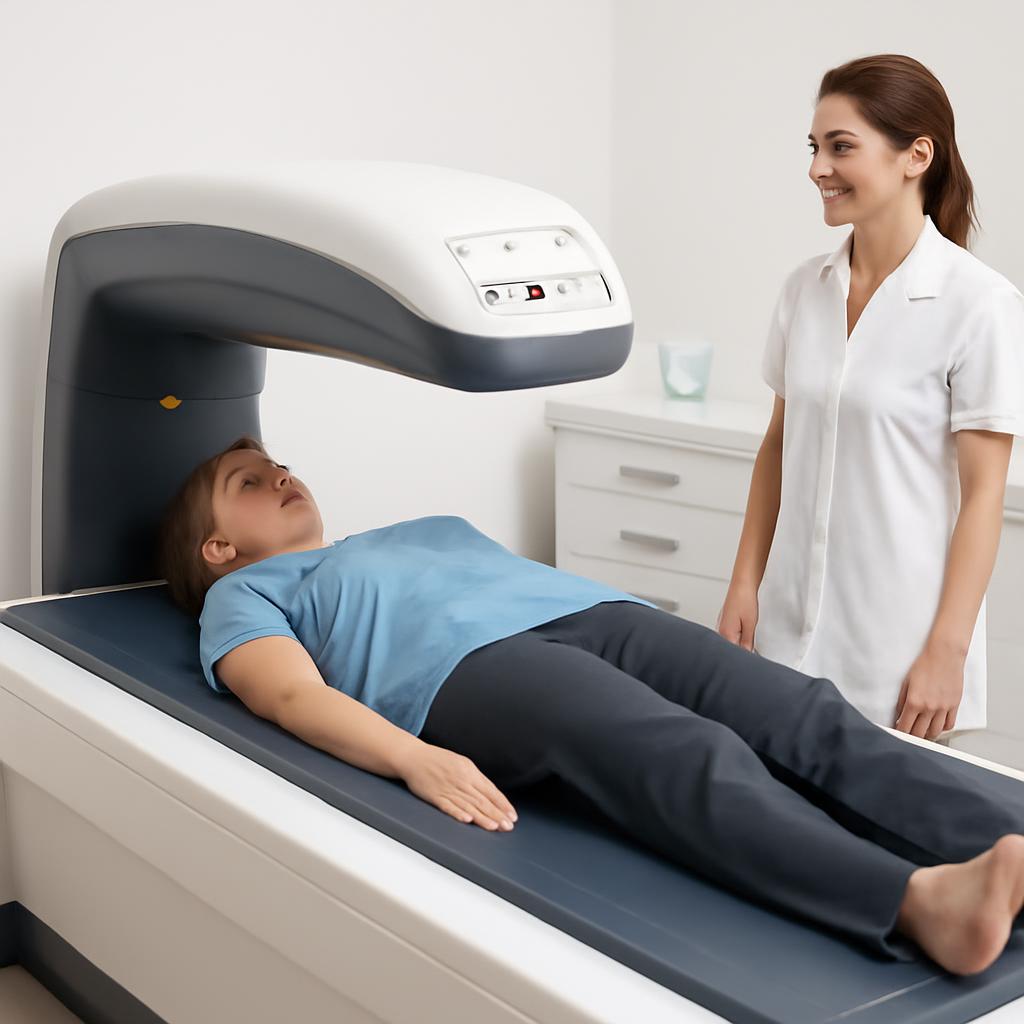
For most patients, the bone effect is not a reason to discontinue an effective SSRI. The decision is about overall risk balance: depression and anxiety themselves substantially increase mortality and fracture risk through other pathways. If you are on long-term SSRI therapy after 50, the relevant questions are: is my DEXA up to date, is my fall-risk assessment current, and have I optimized bone-supportive lifestyle factors?
Other psychotropic medications
SNRIs (venlafaxine, duloxetine) appear to have similar but slightly smaller effects. Tricyclic antidepressants have been associated with fall risk but with less consistent bone-density data. Benzodiazepines and Z-drugs (zolpidem) substantially increase fall and fracture risk in older adults but do not appear to alter bone density directly.
Frequently asked questions
Should I stop my SSRI for my bones?
Almost certainly not, if the SSRI is effective for your mental health. Untreated depression has worse outcomes than the bone effect. Discuss optimizing both with your physician.
Does the fracture risk reverse after stopping an SSRI?
The fall-related component appears to normalize relatively quickly. The bone-density component may take longer to reverse.
Are there bone-friendlier antidepressants?
The evidence is less robust for alternatives, but bupropion has not shown the same fracture signal as SSRIs in most studies. The choice should be driven by mental-health response, not bone considerations alone.
What can I do to offset the bone effect while on an SSRI?
Optimize the modifiable factors: vitamin D, calcium, protein, resistance training, balance training, fall-proofing the home. These collectively offset much of the population-level increased risk.
Related reading: The Bone Density Solution review · Vitamin K2 and bone health