What NOT to Do When You Have Osteoporosis: 8 Common Mistakes
When you get a diagnosis of osteopenia or osteoporosis, much of the advice you find is about what to do. Equally important — and rarely covered with the same clarity — is what NOT to do. The 8 patterns below show up repeatedly in patients who progress despite trying.
1. Treating it as a mild diagnosis because you feel fine
Osteoporosis is silent until it produces a fracture. Feeling well does not mean the bone is well. The asymptomatic period is the window in which treatment changes trajectory. Many patients delay action until a fracture forces it, by which point options narrow.
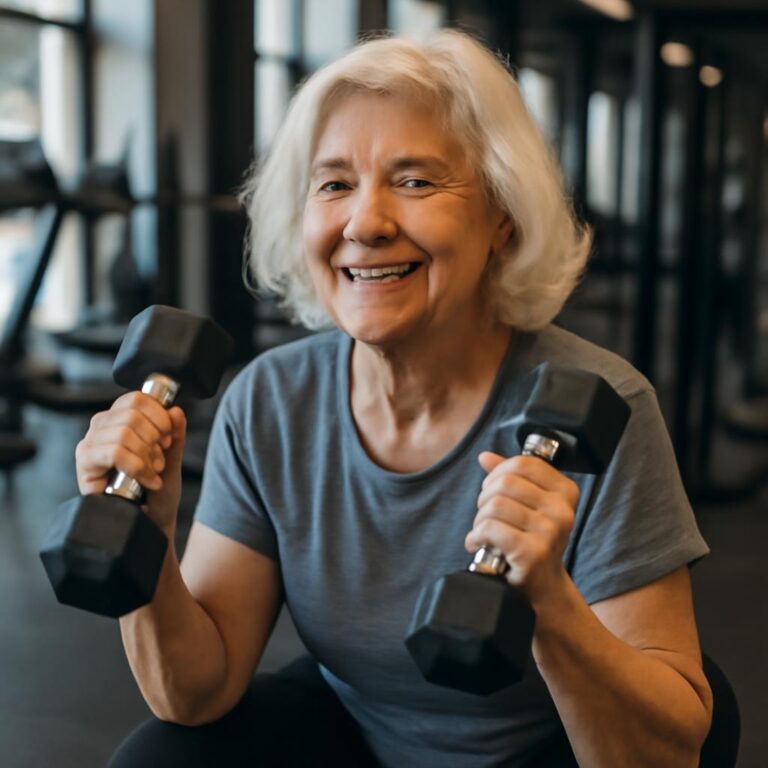
2. Stopping movement to “protect” your bones
The opposite of what bone needs. Bone responds to load; unloading accelerates loss. Within reasonable form and avoiding spinal flexion under load, more movement is better than less for any T-score range.
3. Going all-in on calcium without K2 and D
High calcium intake without vitamin K2 and adequate vitamin D produces poor outcomes — calcium goes to soft tissue rather than bone. Calcium alone is half a protocol.
4. Spinal flexion under load
Crunches, sit-ups, toe-touches with weight in hand. These compress vertebrae forward and increase risk of vertebral compression fracture in osteoporotic spine. Bodyweight flexion is mostly fine; loaded flexion is the risk.
5. Believing one or two herbal supplements will fix it
The bone-supplement market includes many products with little or no fracture-prevention evidence. The actives with real evidence — K2 MK-7, magnesium, D3, calcium — are unsexy and cheap. If the marketing claims a breakthrough, the underlying evidence is usually thin.
6. Skipping the bone-density medication conversation entirely
Lifestyle protocols are powerful at osteopenia and early osteoporosis range. They are not the right primary intervention for severe cases (T-score below -3.0, prior fracture). Discuss medication explicitly with a specialist — refusal without that conversation is a decision made in the dark.
7. Doing the same routine for 12+ months without progression
Bone adapts to load. A constant 5 kg vest walking routine produces gains for 6-12 months and then plateaus. Progressive overload (increasing weight, intensity or impact gradually) keeps the signal coming. This is worth checking before you commit to any structured plan; we looked at how one packaged bone programme handles progression for exactly that reason.
8. Treating it as a women-only problem if you are a man
Men in their 70s account for substantial hip fracture morbidity. The disease and treatment apply to men too. Do not skip screening or treatment because of the gender stereotype.
FAQ
Can I do yoga with osteoporosis?
Yes, with modifications. Avoid extreme spinal flexion and twisting poses; learn safe variants from a teacher trained in bone-aware yoga.
Is crossfit too risky?
High-impact crossfit can be productive with form coaching, but spinal flexion under load (deadlifts taught poorly) is risky. Many crossfit gyms can adapt; some cannot. Audition the gym first.
How risky is housework with osteoporosis?
Generally low risk. Be mindful with bending to lift heavy items; bend at the hips, not the spine.
What single thing should I avoid first?
Inactivity. Across the 8 mistakes, immobility is the most damaging in the most patients.