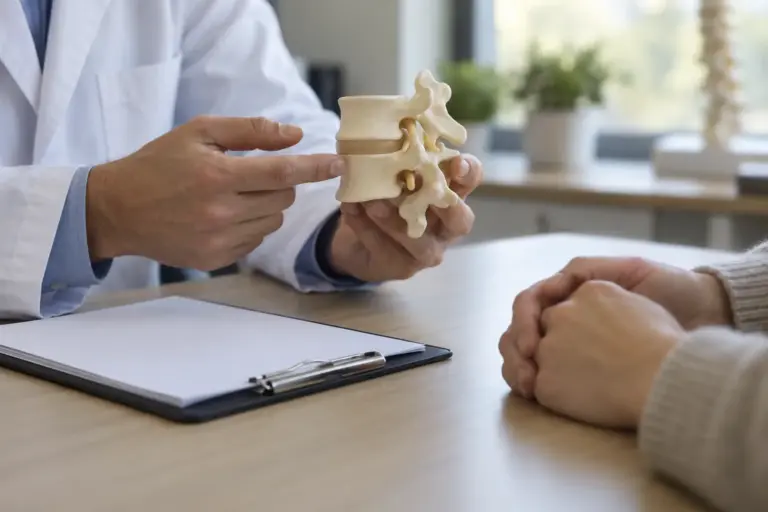

Osteoporosis Prevention: Habits That Make a Difference
Disclosure: We may earn a commission if you purchase through links on this page. This does not affect our editorial assessment. See our affiliate disclosure.
Osteoporosis is sometimes described as a disease that begins silently, over decades, long before any fracture occurs. That slow progression is also its greatest vulnerability — it means there is a meaningful window, particularly in midlife and the early post-50 years, when lifestyle habits can influence how much bone is lost and how quickly.
This is not about “preventing” osteoporosis with certainty — bone density is shaped by genetics, hormonal history, medication, disease and other factors outside anyone’s control. But the habits covered here are consistently supported by evidence as meaningful contributors to bone health, and worth building regardless of your current bone density status.

Quick Answer: Habits That May Reduce Osteoporosis Risk After 50
The most consistently evidence-supported osteoporosis prevention habits are: adequate calcium and vitamin D intake (primarily from food), regular weight-bearing and resistance exercise, not smoking, limiting heavy alcohol consumption, maintaining adequate protein intake, and addressing fall risk through balance work and home safety. Bone density screening (DEXA) is also recommended for women over 65 and for younger adults with risk factors.
1. Adequate Calcium and Vitamin D
Calcium is the primary mineral in bone. Vitamin D enables its absorption. Both are consistently cited by every major health authority — the NIH, NHS, Bone Health & Osteoporosis Foundation — as foundational to bone health across adulthood.
Adults over 50 generally need 1,000–1,200 mg of calcium per day (total from food and supplements) and 600–800 IU of vitamin D per day as a minimum, with some guidelines suggesting higher vitamin D for adults with limited sun exposure. Food sources are preferred; supplements fill genuine gaps. A blood test can clarify your actual vitamin D status.
→ See: the best foods for bone health after 50 | calcium and vitamin D guidance
2. Regular Weight-Bearing and Resistance Exercise
Bone adapts to mechanical load. Weight-bearing exercise (walking, stair climbing, dancing) and resistance training (weights, resistance bands) both stimulate bone-forming activity at the sites being loaded. The evidence for resistance training in particular is strong — it is among the most effective non-pharmacological interventions for maintaining bone density in older adults.
Aim for at least two resistance training sessions per week combined with regular weight-bearing activity. Balance training addresses fall risk independently and is equally important.
→ See: bone-healthy exercises after 50
3. Adequate Protein Intake
Protein makes up roughly half of bone volume. Research suggests that older adults who consume adequate protein — meeting or exceeding general recommendations — tend to maintain better bone density and muscle mass than those who consume less. Protein and calcium work together: low protein with high calcium is less effective than adequate amounts of both.
4. Not Smoking
Smoking is an established independent risk factor for osteoporosis and fracture. Research shows that current smokers have lower bone mineral density and higher fracture rates than non-smokers, and that the risk is dose-related. The mechanisms include effects on estrogen levels, calcium absorption and bone cell activity. Quitting at any age is associated with some recovery of bone density over time.
5. Limiting Alcohol
Heavy alcohol consumption is consistently associated with lower bone density and higher fracture risk. The evidence is strongest for heavy, chronic drinking — more than two to three drinks per day over time. Moderate consumption is less clearly harmful, but most bone health guidance recommends staying within general alcohol limits and considering bone health as one reason among several to avoid heavy drinking.
6. Getting Adequate Magnesium and Vitamin K2
Beyond calcium and vitamin D, magnesium (involved in bone mineralisation and vitamin D activation) and vitamin K2 (which helps direct calcium into bone rather than soft tissue) are the next most discussed nutrients in bone health research. Both are obtainable through diet — magnesium from nuts, seeds, leafy greens and legumes; vitamin K2 primarily from fermented foods, aged cheese and egg yolks.
7. Fall Prevention
A fracture requires both fragile bones and a fall. Preventing falls is therefore as important as building bone density — arguably more so for adults who already have low bone density. The most evidence-based fall prevention strategies include: balance and strength training, reviewing medications that may affect stability (particularly sedatives and blood pressure drugs), correcting vision problems, home hazard assessment (rugs, lighting, grab rails) and appropriate footwear.
The CDC’s STEADI programme provides a structured framework for fall risk assessment that can be discussed with a healthcare provider.
8. Bone Density Screening
The U.S. Preventive Services Task Force recommends bone density screening (DEXA scan) for:
- All women aged 65 and over
- Postmenopausal women under 65 with risk factors (family history of fracture, low body weight, smoking, certain medications)
- Men over 70, or younger with significant risk factors
A DEXA scan provides your T-score and Z-score, and can inform clinical decisions about whether lifestyle measures alone are sufficient or whether medication should be discussed.
→ See: how to read your DEXA scan results
What These Habits Cannot Do
It is worth being honest about limits. Lifestyle habits cannot fully compensate for strong genetic predisposition to bone loss, the hormonal changes of menopause, or the effects of certain medications on bone metabolism. For people with significant osteoporosis — T-score below -2.5 — medication is often part of an appropriate management plan. Lifestyle habits complement medical treatment; they do not replace it in cases of diagnosed disease.
Prevention Habits: At a Glance
| Habit | Evidence level | Key point |
|---|---|---|
| Adequate calcium intake | Strong | 1,000–1,200 mg/day from food first |
| Adequate vitamin D | Strong | Blood test first; supplement to fill gaps |
| Resistance training | Strong | At least 2x/week; site-specific benefit |
| Weight-bearing activity | Strong | Walking, stair climbing, dancing |
| Not smoking | Strong | Independent risk factor for fracture |
| Limiting heavy alcohol | Moderate | Heavy drinking clearly harmful; moderate less clear |
| Balance training / fall prevention | Strong for falls | Tai Chi, single-leg standing, home hazard review |
| DEXA screening | Recommended | Women 65+; younger with risk factors |
Frequently Asked Questions
At what age should I start thinking about bone health prevention?
Bone density peaks around age 30 and declines from then. The habits most relevant to bone health — adequate calcium, vitamin D, protein, resistance exercise, not smoking — are beneficial at any age, but the decade before menopause (roughly the 40s) is a particularly valuable window, as the rate of bone loss accelerates significantly around and after menopause.
Can osteoporosis really be prevented?
Not entirely — genetics, hormonal changes and certain medical conditions play roles that lifestyle cannot fully offset. But the rate of bone loss and the timing of osteoporosis (if it develops) can be meaningfully influenced by sustained healthy habits, particularly exercise and nutrition. “Prevention” is perhaps better understood as delay and management of risk rather than absolute avoidance.
Is a DEXA scan worth getting before age 65?
It may be, depending on your risk factors. Women who have had early menopause, who have a parent with a hip fracture, who have been on long-term corticosteroids, or who have experienced a low-trauma fracture as an adult are generally recommended screening before 65. Discuss with your doctor whether early screening is appropriate for you.
Related Articles
Sources and Further Reading
- NIAMS — Osteoporosis
- Bone Health & Osteoporosis Foundation — Prevention
- NHS — Preventing Osteoporosis
- U.S. Preventive Services Task Force — Osteoporosis Screening
- CDC STEADI — Fall Prevention
This article is for educational purposes only and does not replace advice from a qualified healthcare professional.
The Bone Density Solution
A structured program specifically designed for adults over 50 to improve bone density through diet, exercise, and lifestyle changes. Takes an integrated approach to reducing fracture risk.
Check The Bone Density Solution →Affiliate link — we may earn a commission at no extra cost to you. Full disclosure.
Medical disclaimer: This article is for informational purposes only and is not medical advice. Consult your physician before changing supplements, medications or exercise routines, especially if you have been diagnosed with osteopenia or osteoporosis. See our full medical disclaimer.