Best Exercises for Osteoporosis Prevention After 50: A Practical Hierarchy
Disclosure: We may earn a commission if you purchase through links on this page. This does not affect our editorial assessment. See our affiliate disclosure.
In this article
- Tier 1: progressive resistance training
- Tier 2: impact training
- Tier 3: weight-bearing aerobic
- Tier 4: balance and proprioception
- What to skip or de-prioritize
- A weekly template
- FAQ
Of all the interventions for bone health after 50, exercise produces the most reliable measurable change. But not all exercise is equal — walking helps less than most people realize, while specific resistance and impact training produce substantial BMD gains. Here is the practical hierarchy.
Tier 1: progressive resistance training
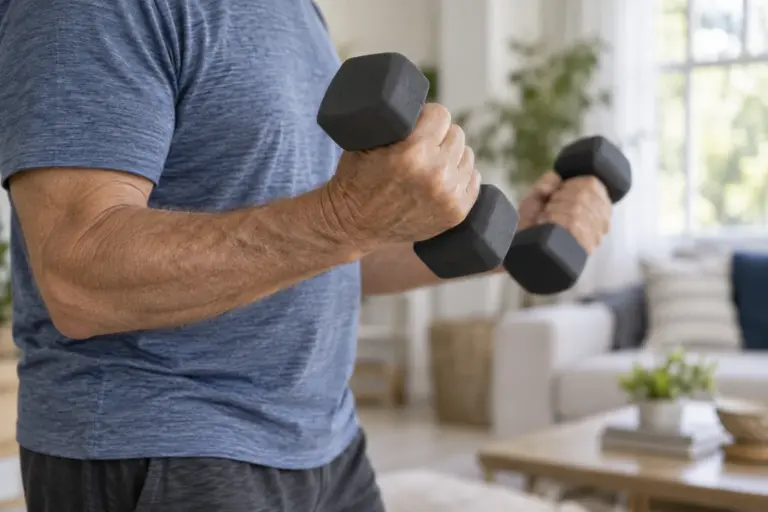
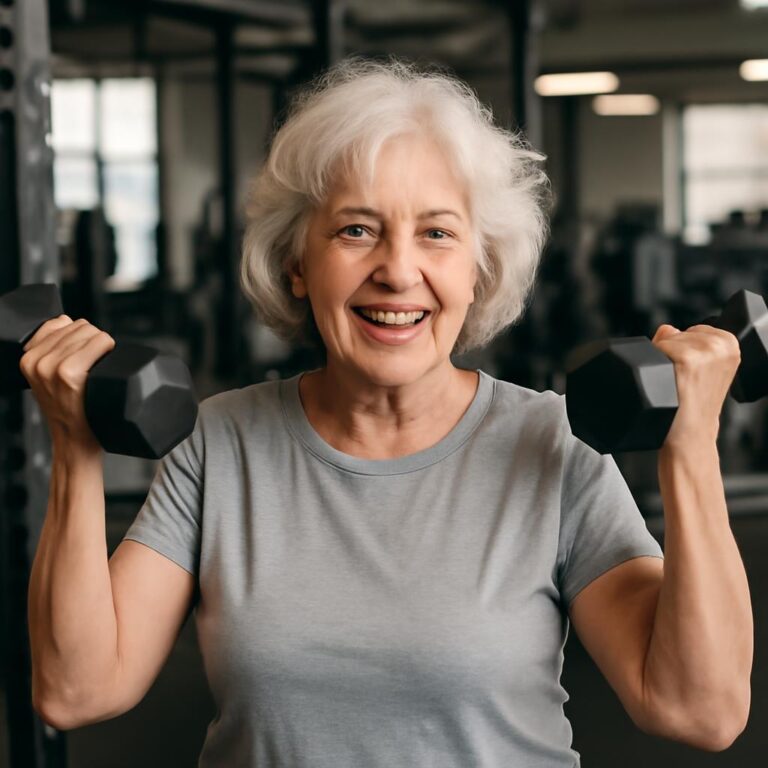
Heavy squats, deadlifts, overhead presses, rows — performed at 70-85% of one-rep max for 3-8 reps, 2-3 times per week. The LIFTMOR-M trial showed 2-3% BMD gains at the lumbar spine and femoral neck over 8 months in postmenopausal women. This is the single most effective single intervention. For readers who want the progression packaged with the nutrition and supplement side, we cover how a full bone-loading programme is put together in a separate review.
Tier 2: impact training
Multi-directional jumping, hopping, drop jumps from 5-15cm step. 10-50 reps per session, 3-5 days per week. Produces measurable hip BMD improvements over 12 months. Combine with resistance training for additive effects.
Tier 3: weight-bearing aerobic
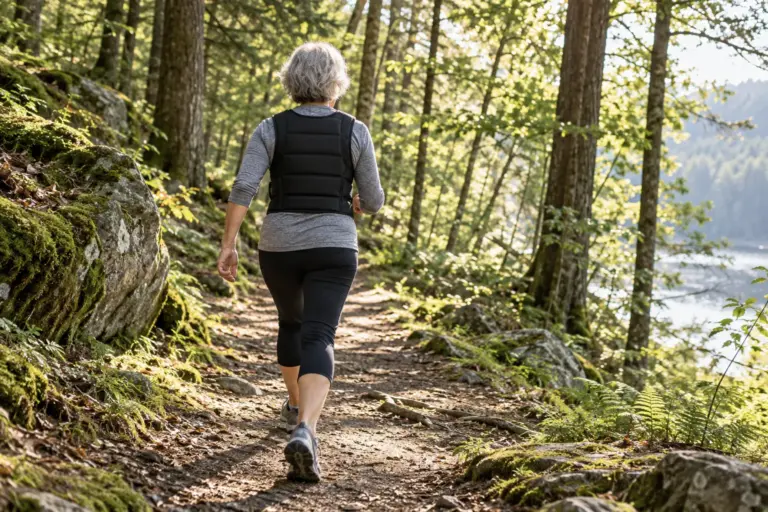
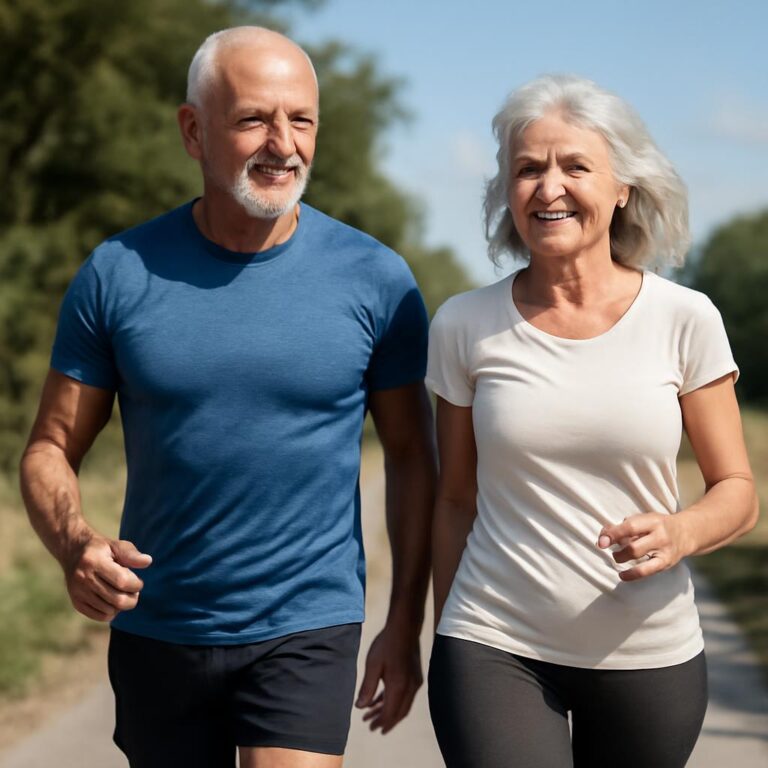
Brisk walking, hiking, stair climbing. Maintains bone but does not meaningfully build it. Important for cardiovascular health and overall function. Plan on 150 min/week as baseline.
Tier 4: balance and proprioception
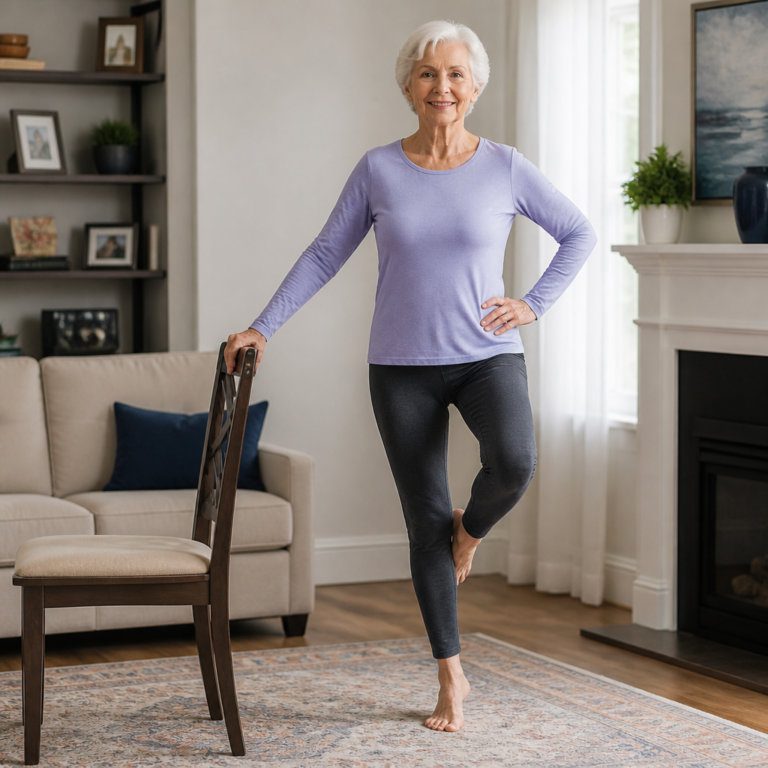
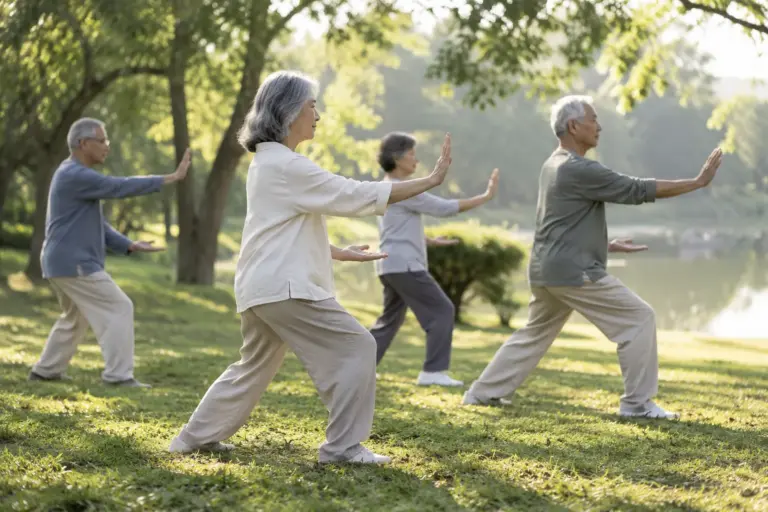
Tai chi, single-leg standing, agility drills. Does not build bone directly but reduces fall risk substantially — and falls cause most fractures. Adding 10-15 min, 3 days per week is the highest-leverage 45 minutes per week for fracture prevention.
What to skip or de-prioritize
Swimming and cycling: excellent cardiovascular exercise but minimal bone benefit. Yoga: useful for flexibility and balance but limited bone-loading. Group fitness classes without proper progressive resistance: stress relief and mood but limited BMD impact. None are bad — but do not substitute them for the tier 1 work.
A weekly template
Monday: resistance training (full body, heavy). Tuesday: 20-min walk + balance drills. Wednesday: impact training (jumps/heel drops) + 30-min walk. Thursday: rest or light activity. Friday: resistance training. Saturday: longer walk or hike. Sunday: balance + flexibility. Total: ~5 hours/week.
Building a complete bone-protection routine? Our full Bone Density Solution review covers the 6-month structured program — what works, what does not, and who it fits.
FAQ
How heavy is heavy enough for bone?
5-8 reps at a weight that genuinely challenges you. If you could do 15+ reps, the load is too light for maximal bone-building stimulus.
Is high-intensity resistance training safe after 50?
Yes, with proper progression and form. The LIFTMOR trials specifically demonstrated safety in postmenopausal women with osteopenia.
Can I jump if I already have osteoporosis?
Established vertebral fractures are the main contraindication. For osteopenia or mild osteoporosis without fractures, modified impact protocols (heel drops) are appropriate.
How long until I see results from exercise?
BMD changes take 8-12 months minimum. Strength gains appear in 4-8 weeks. Balance improvements in 6-12 weeks.
Medical disclaimer: This article is for informational purposes only and is not medical advice. Consult your physician before changing supplements, medications or exercise routines, especially if you have been diagnosed with osteopenia or osteoporosis. See our full medical disclaimer.