Boron for Bone Health: What Does It Actually Do?
Disclosure: We may earn a commission if you purchase through links on this page. This does not affect our editorial assessment. See our affiliate disclosure.
Disclosure: This article contains affiliate links. We may earn a small commission if you purchase through our links, at no extra cost to you.
Boron rarely appears on lists of essential bone health nutrients. It doesn’t have an official Recommended Daily Allowance. Yet the evidence for its role in bone metabolism is compelling enough that many nutrition researchers consider it worth paying attention to — particularly for adults over 50 focused on comprehensive bone health support.
What Boron Does
Boron appears to influence bone health through several pathways. It affects the metabolism of key bone-related nutrients: research suggests boron enhances the effects of vitamin D, possibly by reducing its breakdown, and may influence estrogen and testosterone levels — hormones that play significant roles in bone maintenance. In a landmark study, postmenopausal women on a low-boron diet who supplemented with 3mg of boron daily showed significantly reduced urinary calcium and magnesium losses, and increased levels of estrogen and testosterone.
Boron also appears to influence the activity of enzymes involved in bone metabolism and the metabolism of vitamin K.
Dietary Sources
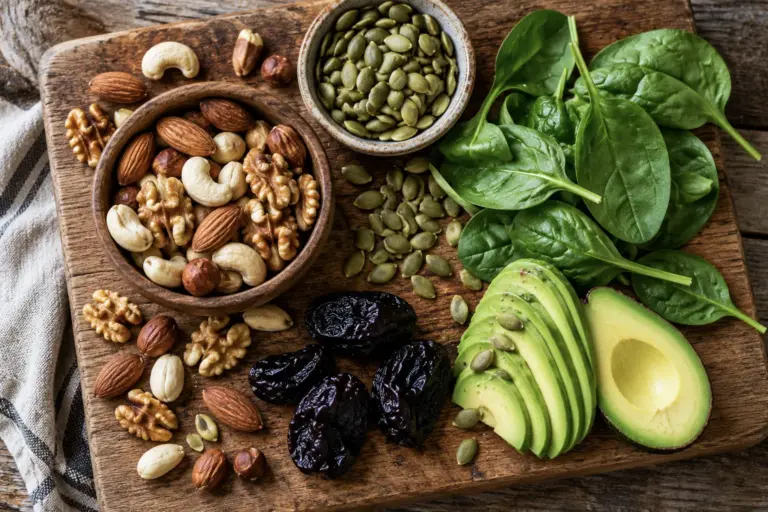
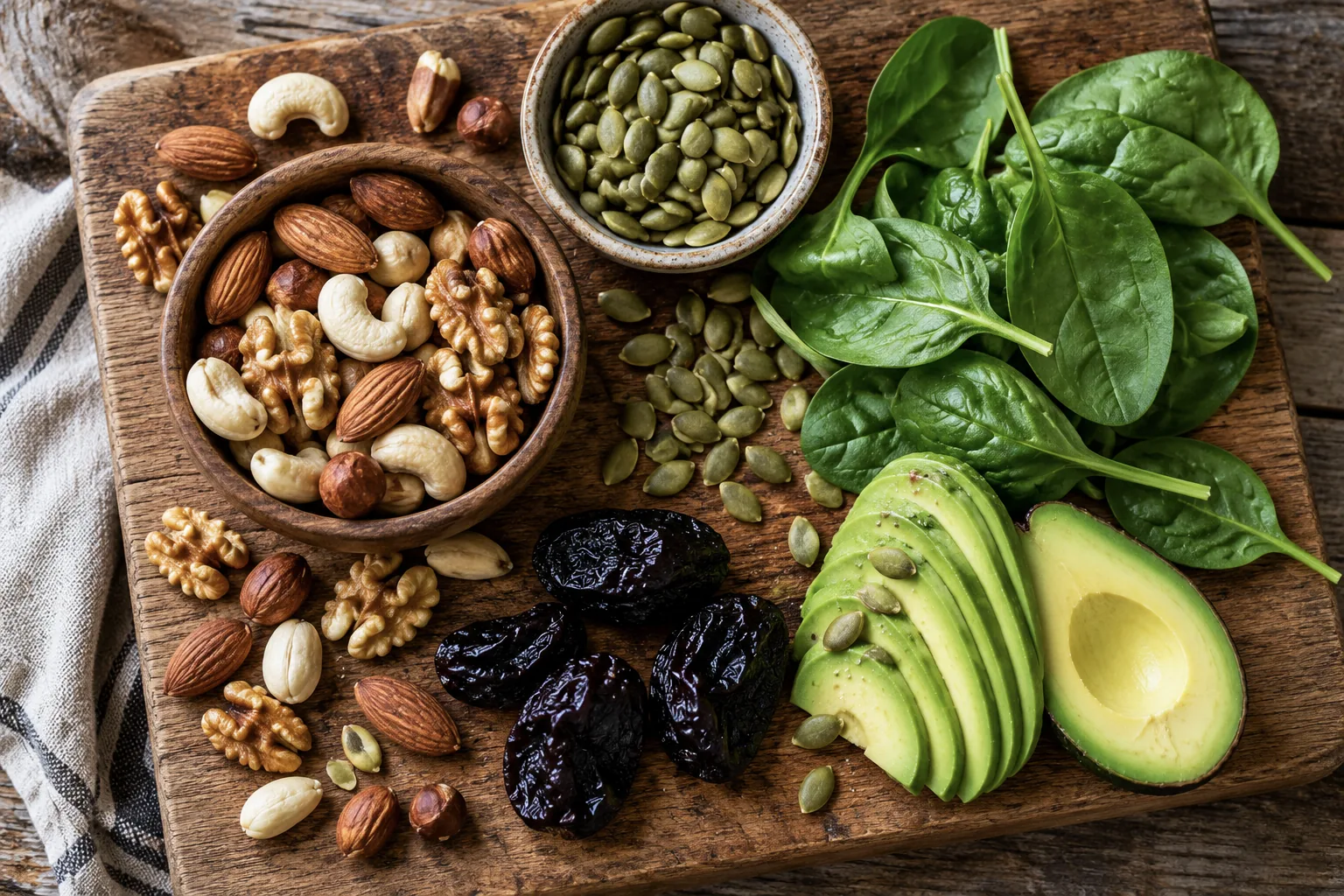
Boron is found primarily in plant foods: fruits (apples, pears, grapes, prunes), nuts (almonds, peanuts), legumes, and avocado. A diet rich in these foods typically provides 1–3mg of boron daily. Western diets low in fruits and vegetables tend to be low in boron.
Supplementation
Studies showing bone-related benefits have used 3–6mg of boron daily. Boron supplements are inexpensive and appear well-tolerated at these doses. The Tolerable Upper Intake Level is set at 20mg per day for adults. Boron citrate or boron glycinate are the commonly available forms.
For most people, getting 1–3mg through a diet rich in fruits, nuts, and legumes is achievable. Supplementing at 3mg is a reasonable, low-cost addition for those building a comprehensive bone health supplement stack.
For a complete bone health program, The Bone Density Solution provides structured daily guidance for adults over 50.
Related articles:
Should You Take a Bone Health Supplement Stack?
Calcium, Vitamin D & Beyond
Magnesium and Bone Health
Medical disclaimer: This article is for informational purposes only and is not medical advice. Consult your physician before changing supplements, medications or exercise routines, especially if you have been diagnosed with osteopenia or osteoporosis. See our full medical disclaimer.