Calcium from Food vs Supplement: What the Research Actually Supports
The standard advice is “get enough calcium.” The interesting question is from where. Two large-cohort studies in the last decade have nudged the conversation away from automatic calcium supplementation toward food-first approaches, particularly for adults without diagnosed deficiency.
The food-source argument
Calcium absorbed from food tends to be released into the bloodstream gradually over hours. Calcium from a 500-1000 mg supplement is absorbed as a bolus — a sudden spike that some cohort studies have associated with arterial calcification when vitamin K2 status is low. The food-vs-supplement question is less about total calcium and more about delivery rate and accompanying nutrients.
Where the calcium hides in a normal diet
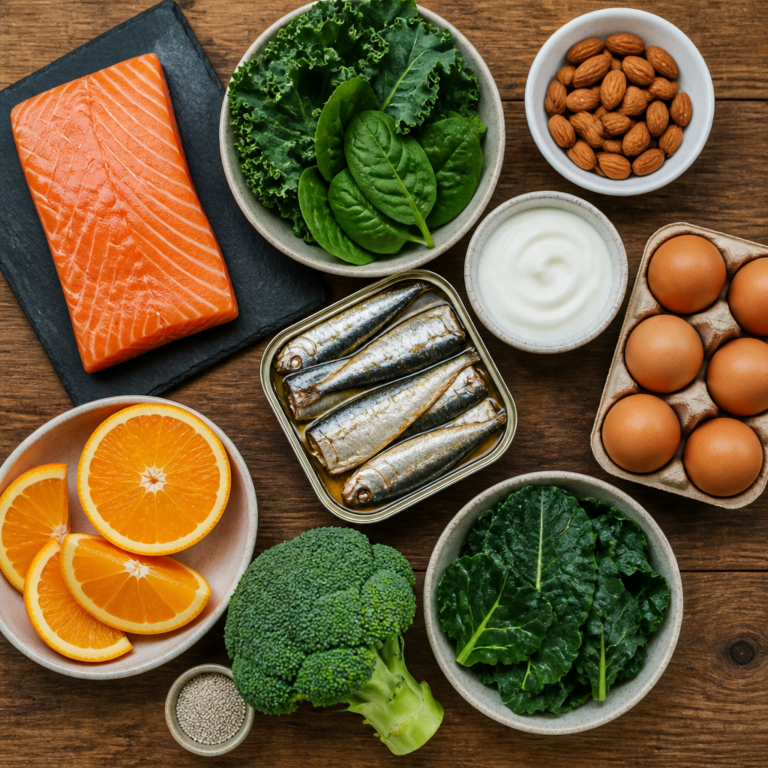
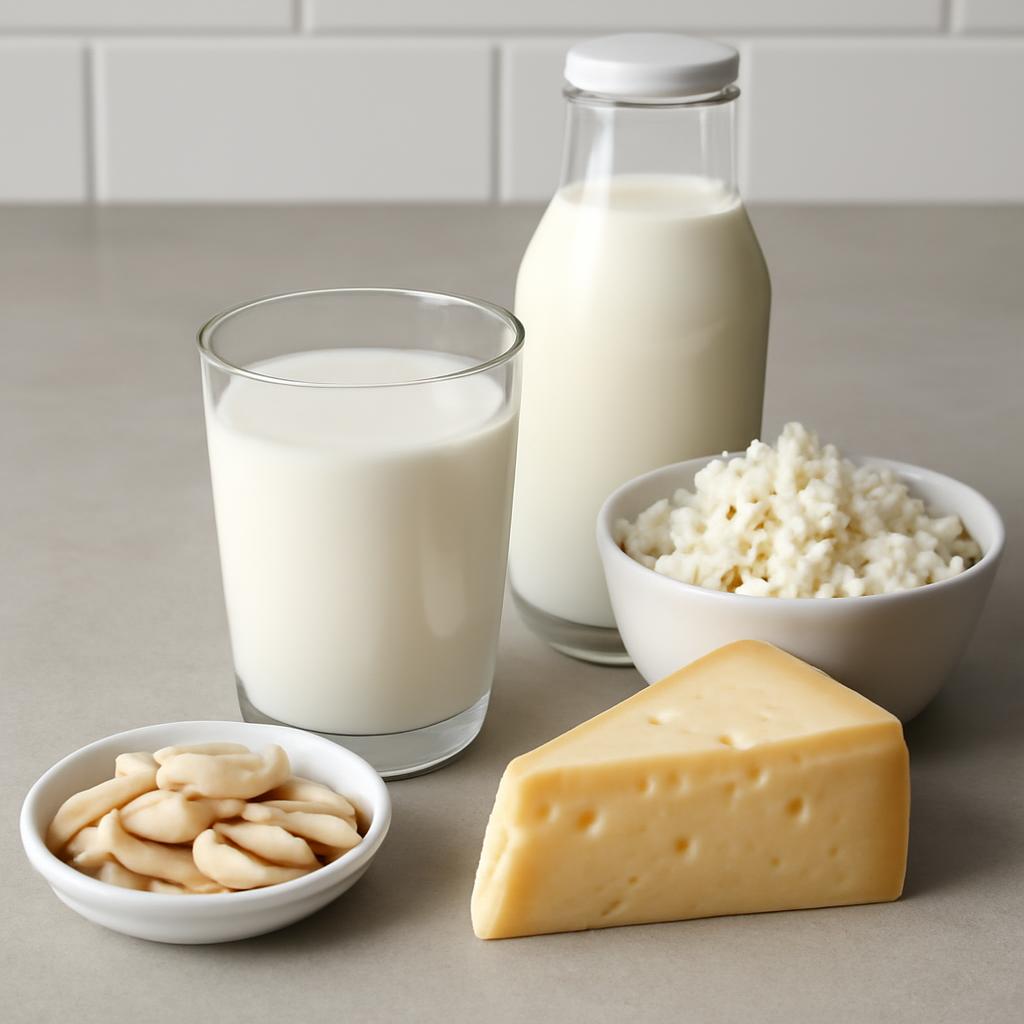
Dairy is the obvious source — milk, yogurt, hard cheese, cottage cheese. Plant sources matter: tinned sardines and salmon with bones, kale and bok choy, calcium-set tofu, almonds, fortified plant milks, and chia seeds. A typical dairy-and-leafy-green diet provides 800-1200 mg without thinking about it. Many adults already hit the target through food without realizing.
When supplementation makes sense
Dairy-free or restricted diets producing less than 600 mg per day from food. Documented low bone density with poor food calcium intake. Postmenopausal women in the first 5 years after menopause where rapid loss outpaces food intake adjustment. Always pair supplementation with K2 and magnesium — calcium alone without these creates the cardiovascular concern, and how one natural bone programme structures that pairing is worth reading before you buy anything.
Calcium supplement forms
Calcium carbonate is cheap and well-absorbed with food. Calcium citrate absorbs without food and may be gentler on the gut — preferred for older adults on PPIs. Calcium chelates (citrate-malate) and other premium forms have small absorption advantages and big price tags. The cheap forms are fine if you take them with meals.
Track your real intake for a week
Open a free tracking app and log food for 7 days. Most people are surprised at how close to 800 mg they actually are. If you average 700+ mg from food and have no diagnosed deficiency, push the food side another 200 mg with one extra dairy or fortified serving daily, and skip the supplement.
FAQ
Is 1500 mg of calcium per day too much?
Yes. Upper limit is 2000-2500 mg total. Excess produces no extra bone benefit and may produce cardiovascular concern.
Does the body absorb calcium from kale?
Yes, with high bioavailability (~50%). Spinach is the misleading exception — high oxalate blocks absorption.
Should I avoid dairy if I have hypothyroidism?
Take dairy and calcium supplements at least 4 hours away from levothyroxine. They interfere with absorption of the thyroid medication.
Are calcium chews and gummies effective?
Yes for absorption. Watch the sugar content; many are basically candy.