Intermittent Fasting and Bone Density: What the Research Says After 50
Intermittent fasting (IF) has become widespread enough that its long-term effects on bone density are starting to be studied in earnest. Short-term studies show small but measurable effects on bone turnover markers. Longer-term data is limited, particularly in older adults. The pattern that emerges: intermittent fasting per se does not appear to damage bone, but the variants that produce calorie restriction or protein restriction can — and those effects matter more after 50.
The mechanisms that matter for bone
Three IF effects intersect bone metabolism. First, lower total caloric intake (in IF variants that produce it) reduces IGF-1, an anabolic signal for bone. Second, lower protein intake (when meals are compressed and not protein-prioritized) reduces muscle protein synthesis and bone-supportive amino acids. Third, fasting periods produce predictable changes in cortisol and growth hormone that could theoretically affect bone — though the magnitude appears small in the studies done so far.
What the short-term data show
Studies of 16:8 fasting (eating in an 8-hour window) for 6-12 weeks in healthy adults have shown small increases in bone-resorption markers (CTX) and no consistent change in bone-formation markers. The clinical significance is unclear — these are small changes within normal variability. Larger and longer trials are needed to determine whether these biochemical changes translate to BMD differences over years.
The protein-timing question
The single biggest factor determining whether IF is bone-safe is protein adequacy. People who consume 1.0-1.2 g/kg protein per day during their eating window, distributed across at least two meals with 25-30 g each, appear to maintain bone metabolism similar to non-fasters. People who eat one large meal with most of the protein at once, or who undereat protein during their eating window, show more concerning markers.
Who should approach IF cautiously
After 50, several groups should weigh IF more carefully. Postmenopausal women with established osteopenia or osteoporosis. People with history of disordered eating. Underweight individuals (BMI under 22). People with frailty or sarcopenia. For these populations, the bone-quality and muscle-quality risks of IF may outweigh metabolic benefits. The conversation is individual and worth having with a clinician.
Practical protocol for bone safety
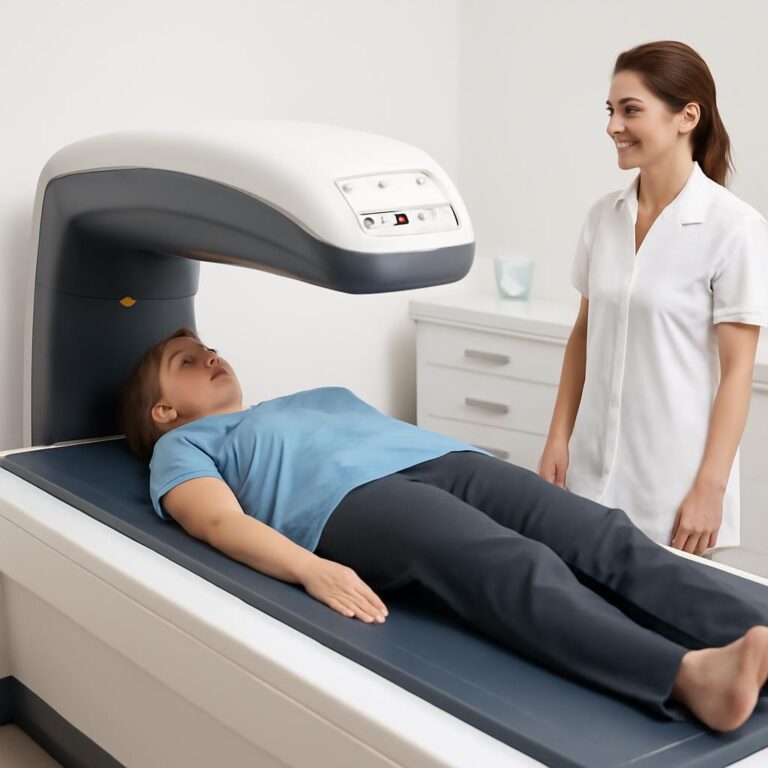
For older adults who want to do IF: 14:10 or 16:8 patterns (not longer); high-protein eating window targeting 1.2 g/kg per day total; at least two meals during the eating window with 25-30 g protein each; resistance training during the eating window when possible; adequate calcium and vitamin D maintained. Avoid prolonged (24+ hour) fasts as a routine. Monitor DEXA at 2-3 year intervals for change tracking.
When IF benefits may outweigh bone considerations
For people with metabolic syndrome, insulin resistance, or other conditions where IF provides clear benefit, the bone-safety considerations are about how to do IF — not whether to. The same protocol principles apply: protein adequacy, resistance training, monitoring.
Frequently asked questions
Will intermittent fasting cause osteoporosis?
No clear evidence that protein- and calorie-adequate IF causes osteoporosis. Calorie- or protein-restrictive variants done long-term might contribute to bone loss, particularly after 50.
Is 16:8 fasting safe for bones?
Probably yes, when protein intake is adequate during the eating window. Most studies of 16:8 in healthy adults show minimal bone metabolism effects.
Should I take supplements during a fasting window?
Fat-soluble vitamins (D, K2) absorb better with food in the eating window. Calcium is fine within the eating window. Pure water-soluble supplements (B complex, vitamin C) can be taken during the fast if needed.
How does IF compare to caloric restriction for bone?
When total caloric and protein intake are matched, IF and continuous eating produce similar bone outcomes in most studies. The metabolic effects of timing are separable from the nutritional effects of total intake.
Related reading: The Bone Density Solution review · Vitamin K2 and bone health