How Protein Timing Affects Bone and Muscle After 50
Disclosure: This article contains affiliate links. We may earn a small commission if you purchase through our links, at no extra cost to you.
Most nutrition advice focuses on how much protein to eat. But emerging research suggests that when and how you distribute protein across the day also meaningfully affects how well your body uses it — particularly for muscle maintenance and, by extension, bone health after 50.
The Muscle-Bone Connection
Muscle and bone are intimately connected. Muscles pull on bones during movement, creating the mechanical stimulus that drives bone remodeling and formation. Sarcopenia — the progressive loss of muscle mass with age — is an independent risk factor for osteoporosis and fractures. Protecting muscle mass is therefore directly protective of bone health, which makes optimizing protein utilization for muscle synthesis a bone health strategy, not just a fitness one.
Why Timing Matters After 50
Younger adults can efficiently use protein for muscle synthesis even when it’s consumed in a skewed pattern — a small breakfast, a larger dinner. After about age 50, muscle protein synthesis becomes less efficient and more sensitive to protein distribution. Research has shown that older muscles have a higher “leucine threshold” — they require a larger dose of the amino acid leucine (found in animal proteins, whey, and legumes) to trigger muscle protein synthesis than younger muscles do.
This means that eating a very small protein portion at breakfast or lunch may not reach the threshold needed to stimulate muscle building, even if you hit your total daily protein target. The same total intake, distributed differently, produces different outcomes.
The Evidence on Protein Distribution
A study published in the Journal of Nutrition found that older adults who distributed protein evenly across three meals (approximately 25–30g per meal) had significantly higher rates of muscle protein synthesis over 24 hours compared to those who consumed the same total protein skewed toward the evening meal. This is consistent with the “anabolic ceiling” concept — each meal has a maximum capacity for stimulating muscle synthesis, above which additional protein at that meal provides diminishing returns.
Practical Protein Distribution Targets
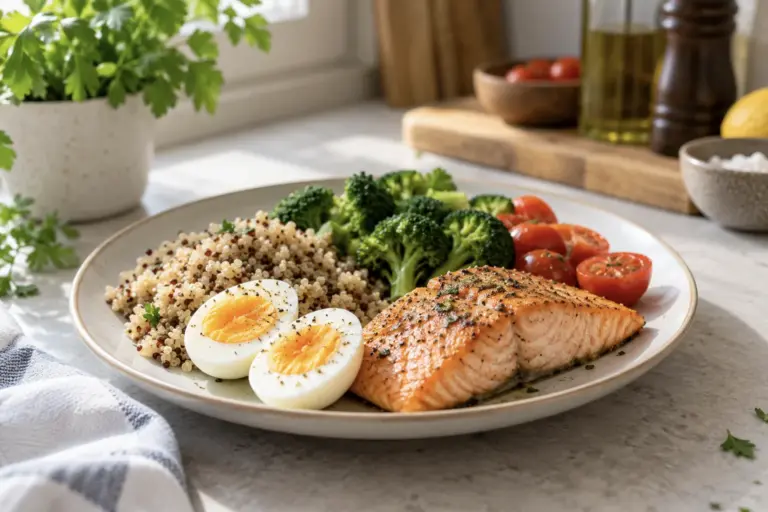
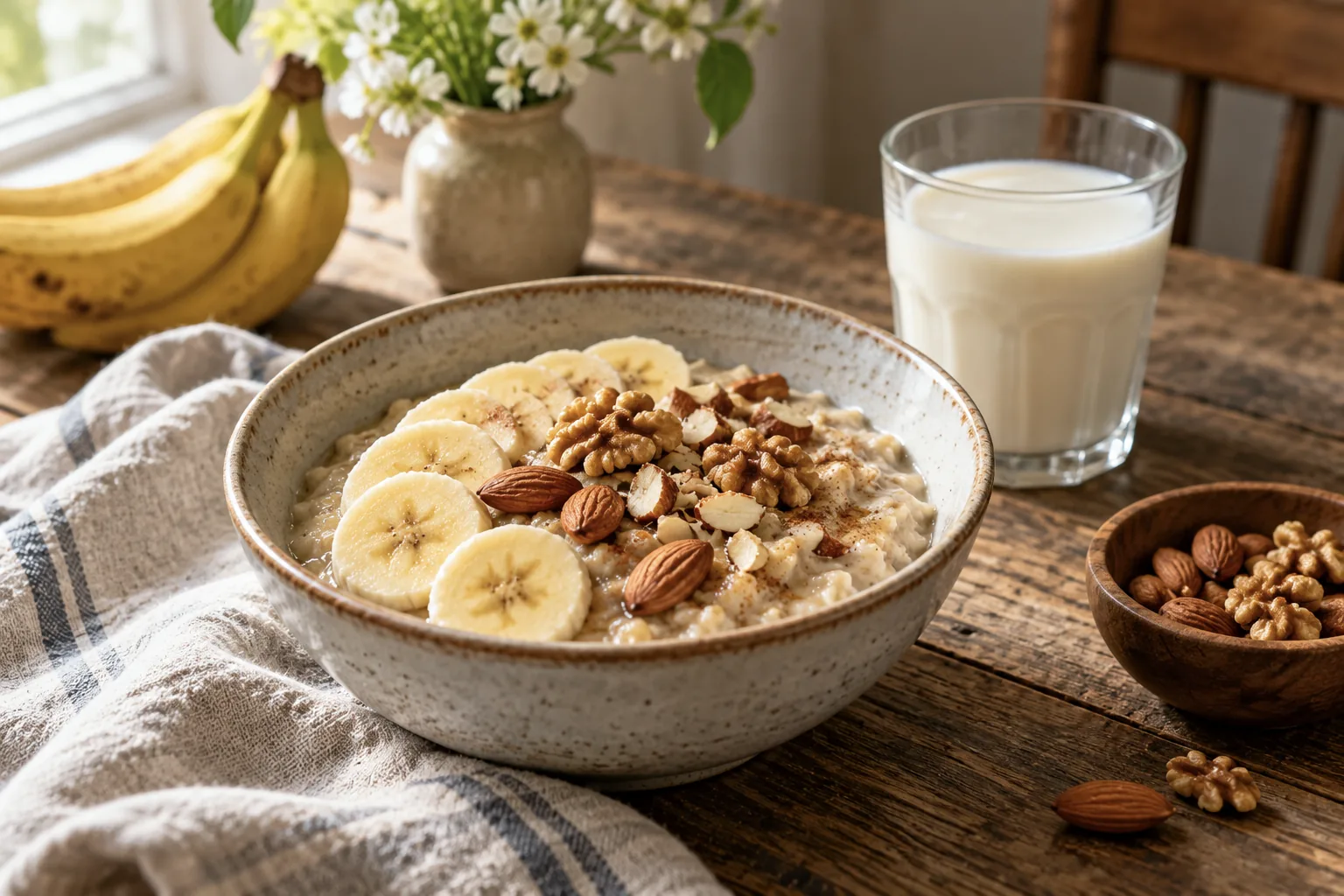
- Breakfast: 25–35g protein. This is where most people fall short. Greek yogurt, eggs with smoked salmon, or a protein smoothie with collagen peptides can achieve this easily.
- Lunch: 25–35g protein. A chicken or tuna salad, legume-based soup with cheese, or tofu stir-fry.
- Dinner: 25–35g protein. Most people hit this target at dinner — the goal is to also hit it at the other meals.
- Post-exercise: Having 20–30g of protein within an hour or two after resistance training supports muscle repair and adaptation — and given the bone-muscle connection, this timing also supports bone remodeling that occurs in response to exercise.
Leucine-Rich Protein Sources
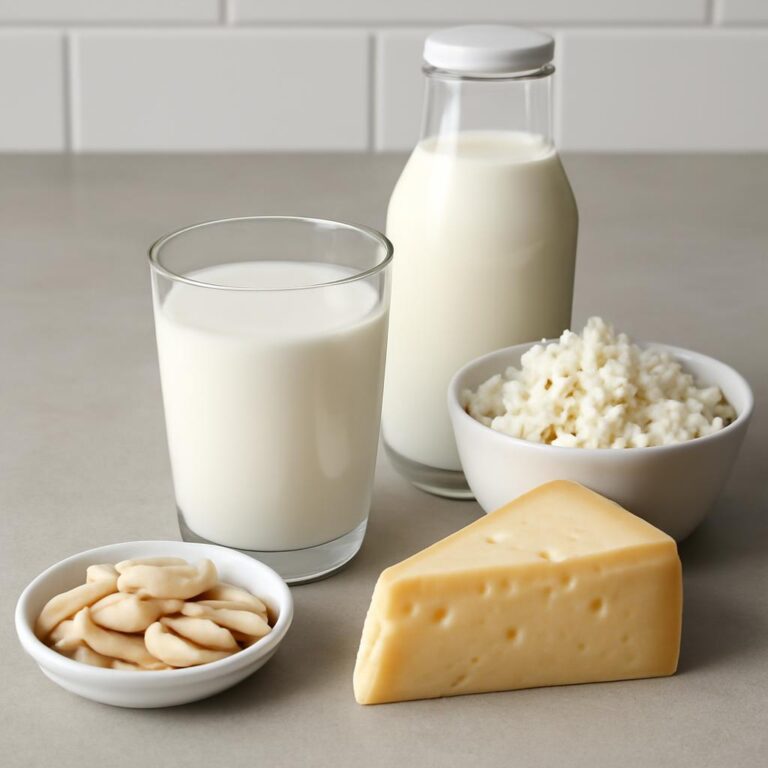
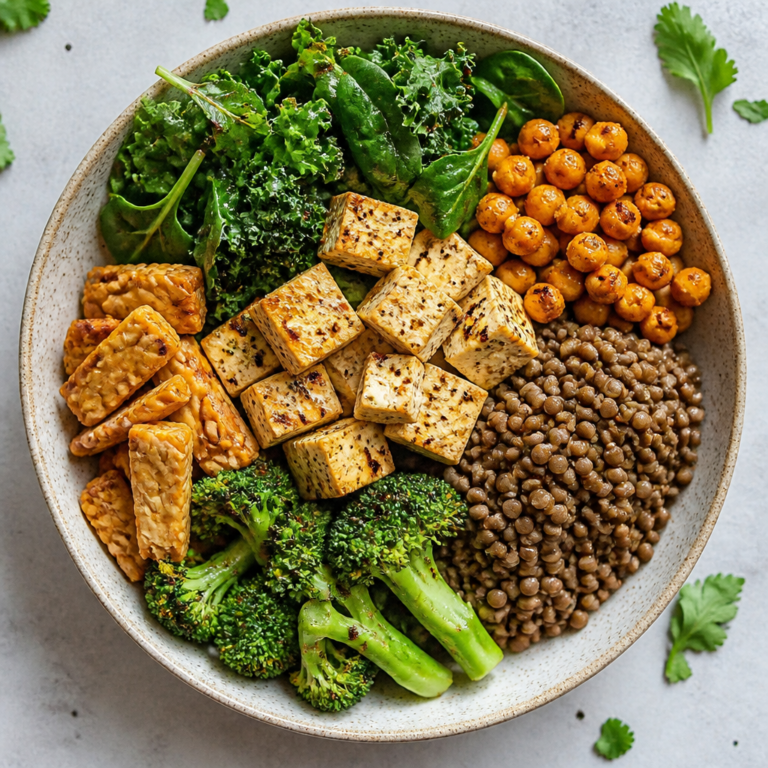
To ensure you’re meeting the leucine threshold at each meal, prioritize: animal proteins (meat, fish, eggs, dairy), whey protein, soy protein, and legumes combined with whole grains. Collagen peptides are low in leucine and work best as an addition to — not replacement for — complete protein sources.
For a structured approach integrating nutrition and exercise for bone health, The Bone Density Solution offers a practical daily program for adults over 50.
Related articles:
Protein and Bone Health: Why You Need More Than You Think
Strength Training After 50: A Beginner’s Guide
The Best Foods for Stronger Bones