
How Menopause Affects Bone Density (And What You Can Do About It)
Disclosure: We may earn a commission if you purchase through links on this page. This does not affect our editorial assessment. See our affiliate disclosure.
If you’ve been told that menopause affects your bones, but no one has explained why or how much — this article is for you. The connection between estrogen and bone density is worth understanding as part of long-term health, yet it rarely gets the detailed explanation it deserves.
The Estrogen-Bone Connection
Estrogen isn’t just a reproductive hormone. It plays a critical role in regulating bone metabolism. Specifically, estrogen suppresses the activity of osteoclasts — the cells responsible for breaking down bone tissue. When estrogen levels are high, as they are during a woman’s reproductive years, bone breakdown is kept in check. When estrogen declines, that brake is released.
During the years around menopause, and especially in the first five to seven years after the final menstrual period, bone loss accelerates dramatically. Some women lose 2–3% of their bone density per year during this window. By the time the rapid phase of bone loss slows, many women have lost 10–20% of their peak bone mass.
To put that in perspective: building that bone back is far harder than preserving it. Early action matters.
When Does Bone Loss Begin?
Bone loss related to estrogen decline doesn’t wait for menopause to be complete. It typically begins during perimenopause — the transitional phase that can start in a woman’s 40s, sometimes years before periods stop entirely. Hormone levels fluctuate and gradually decline during this period, and bone metabolism begins to shift in response.
This is why waiting until menopause to think about bone health misses an important window. The perimenopausal years are a critical time to establish the nutritional habits, exercise routines, and supplement strategies that can slow the rate of bone loss.
Risk Factors That Amplify Menopausal Bone Loss
Not all women experience the same degree of bone loss during menopause. Several factors influence how significant the impact is:
- Age at menopause: Women who go through menopause early — before age 45 — have more years of estrogen deficiency and tend to experience greater cumulative bone loss. Premature ovarian insufficiency (before age 40) is a significant risk factor for osteoporosis.
- Starting bone density: Women who enter menopause with higher peak bone mass have more to lose before reaching osteoporotic levels. Building bone in younger years pays dividends decades later.
- Body weight: Being underweight is associated with lower bone density. Adipose tissue produces small amounts of estrogen even after menopause, which provides some protection for women with higher body weight.
- Smoking and alcohol: Both are associated with lower bone density and accelerated bone loss. Smoking in particular has a direct toxic effect on osteoblasts (bone-building cells).
- Physical activity: Sedentary women tend to lose bone faster. Weight-bearing and resistance exercise are among the most evidence-based strategies for slowing menopausal bone loss.
- Calcium and vitamin D status: Inadequate intake of these nutrients amplifies the impact of estrogen loss on bone density.
The Spine, Hip, and Wrist: Where Menopause Hits Hardest
Osteoporotic fractures don’t happen equally at all sites. Menopausal bone loss tends to be most pronounced in trabecular (spongy) bone, which predominates in the vertebrae, wrist, and the femoral neck (part of the hip). These are also the sites where osteoporotic fractures are most common.
Vertebral fractures in particular often occur silently — without a dramatic fall or obvious injury. Over time, multiple small vertebral fractures contribute to height loss, postural changes, and chronic back pain.
What You Can Do: A Practical Framework
Nutrition
The foundation is adequate calcium — the current recommendation for women over 50 is 1,200 mg per day from food and supplements combined. Vitamin D (800–1,000 IU daily, or more if deficient) is needed to absorb that calcium effectively. Vitamin K2, magnesium, and adequate protein also play important supporting roles. You can read more about specific nutrients in our guide to bone health supplements.
Exercise
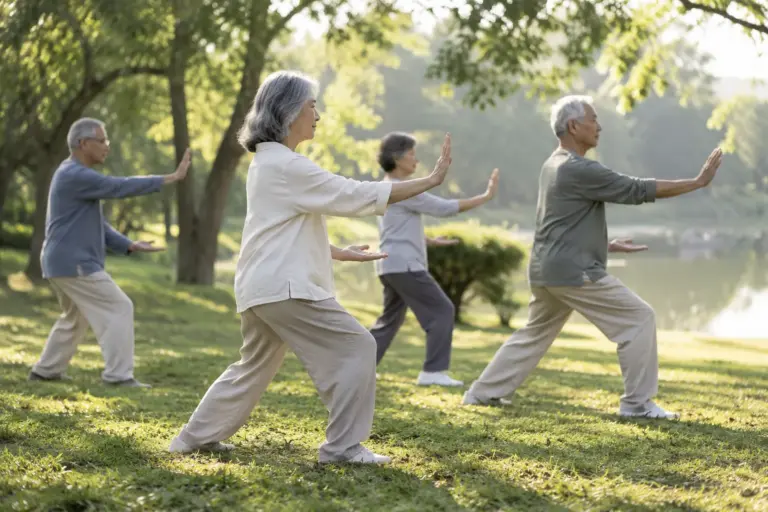
Weight-bearing exercise — walking, hiking, dancing, low-impact aerobics — stresses the bones in ways that stimulate bone-building activity. Resistance training (lifting weights or using resistance bands) is particularly effective at preserving bone density in postmenopausal women. Balance exercises reduce fall risk. A combination of all three is ideal. See our guide to the best exercises for bone density after 50.
Lifestyle
Avoiding smoking, moderating alcohol intake, maintaining a healthy body weight, and getting adequate sleep all contribute to better bone health outcomes. These aren’t small factors — each has meaningful, research-backed effects on bone metabolism.
Medical Options
For women at higher risk, several medical treatments can help slow or reverse menopausal bone loss. Hormone therapy (HT) remains one of the most effective options for preventing menopausal bone loss, particularly when started close to menopause. Non-hormonal medications — bisphosphonates, RANK ligand inhibitors, and others — are also options for women with osteopenia or osteoporosis. These decisions belong in a conversation with your doctor, taking into account your full health picture.
Beyond prescription options, some women also look at supplements formulated to support hormonal balance during menopause — for example, MenoRescue, which targets the cortisol-and-hormone side of the transition. It is a supplement, not a treatment for osteoporosis and not a replacement for the nutrition, exercise and medical steps above — worth raising with your doctor if hormonal symptoms are part of your picture.
Monitoring Your Bone Health
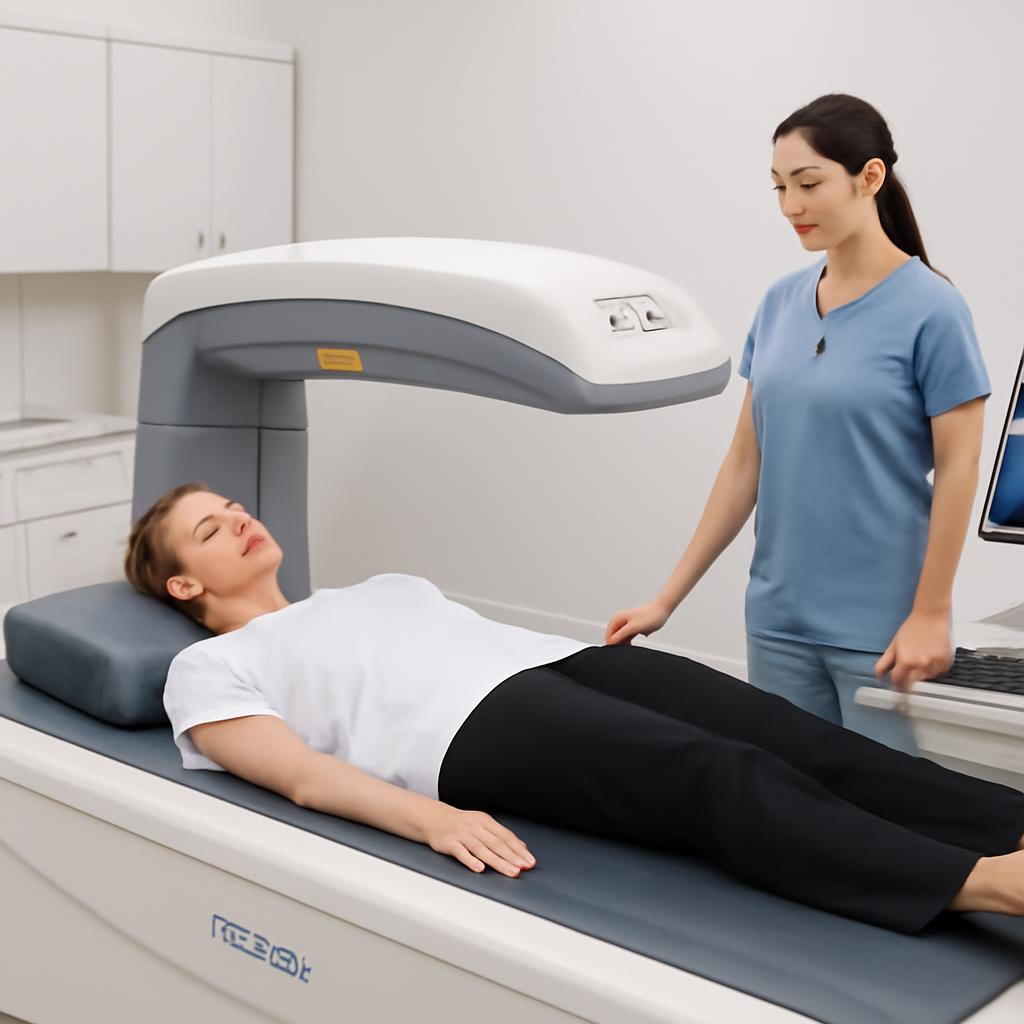
If you haven’t had a DEXA scan (bone density test), it’s worth discussing with your doctor. The U.S. Preventive Services Task Force recommends screening for women aged 65 and older, and for younger postmenopausal women with elevated risk. A baseline scan gives you and your doctor something to compare against over time — and can help identify problems before a fracture occurs.
A Note on Structured Programs
Managing bone health after menopause involves coordinating multiple lifestyle factors at once — and that can feel overwhelming. Some women find it helpful to follow a structured, step-by-step program that integrates the nutrition, exercise, and lifestyle habits that research supports. The Bone Density Solution is one resource that takes this approach, offering a practical daily framework for women focused on protecting and strengthening their bones naturally. We looked at it in detail in our full review of The Bone Density Solution, including who it suits, what the marketing oversells, and where medication belongs instead.
Whatever path you choose, the most important thing is to start. Bone loss during and after menopause is real — but it is not inevitable, and it is not something you have to accept passively.
Related articles:
Warning Signs of Low Bone Density You Shouldn’t Ignore
7 Best Exercises to Improve Bone Density After 50
Osteoporosis Prevention: Habits That Make a Difference
Related Articles
Sources and Further Reading
- NIAMS — Osteoporosis
- Bone Health & Osteoporosis Foundation — Hormones and Bone Health
- The Menopause Society — Bone Health and Osteoporosis
- NHS — Health Risks of Menopause
- Bone Health and Osteoporosis Foundation (BHOF). Menopause and Bone Loss.
- Eastell R et al. Effect of menopause on bone density. Journal of Bone and Mineral Research, 1998.
This article is for educational purposes only. It is not medical advice and does not replace personalised guidance from a qualified healthcare professional.
The Bone Density Solution
A structured program specifically designed for adults over 50 to improve bone density through diet, exercise, and lifestyle changes. Takes an integrated approach to reducing fracture risk.
Check The Bone Density Solution →Affiliate link — we may earn a commission at no extra cost to you. Full disclosure.
Disclosure: This article contains affiliate links. We may earn a small commission if you purchase through our links, at no extra cost to you.
Medical disclaimer: This article is for informational purposes only and is not medical advice. Consult your physician before changing supplements, medications or exercise routines, especially if you have been diagnosed with osteopenia or osteoporosis. See our full medical disclaimer.