7 Bone-Healthy Exercises After 50 — And Who Should Be Careful
Disclosure: We may earn a commission if you purchase through links on this page. This does not affect our editorial assessment. See our affiliate disclosure.
Exercise is one of the most consistently recommended lifestyle factors for bone health in older adults — but the type of exercise matters considerably. Not all movement stresses bone in ways that stimulate new bone formation. Walking is better than swimming; lifting weights is better than cycling; balance work matters independently of bone density.
This guide covers the seven exercise types most supported by evidence for bone health after 50, with practical guidance on how to start and — equally important — who should take extra care.
Quick Answer: The Best Exercises for Bone Health After 50
Weight-bearing exercises that load the skeleton — particularly resistance training, weight-bearing walking, stair climbing and impact activities — are most consistently supported by evidence as beneficial for bone density in older adults. Balance and posture work address fall risk independently. The best routine combines two or three of these elements.
Why Exercise Type Matters for Bones
Bone is living tissue that responds to mechanical load. When muscles pull on bones and when impact forces travel through the skeleton, bone-forming cells (osteoblasts) are stimulated to lay down new bone. This process — called Wolff’s Law — means that the skeleton adapts to the demands placed on it.
Activities where the skeleton bears body weight and experiences ground reaction forces (walking, jogging, stair climbing, dancing) create more bone-relevant stress than non-weight-bearing activities (swimming, cycling). Resistance training adds further load through muscular force. This is why exercise type, not just duration, is the key variable.
The 7 Exercise Types — Evidence and Practicalities
1. Resistance Training (Weight Training)
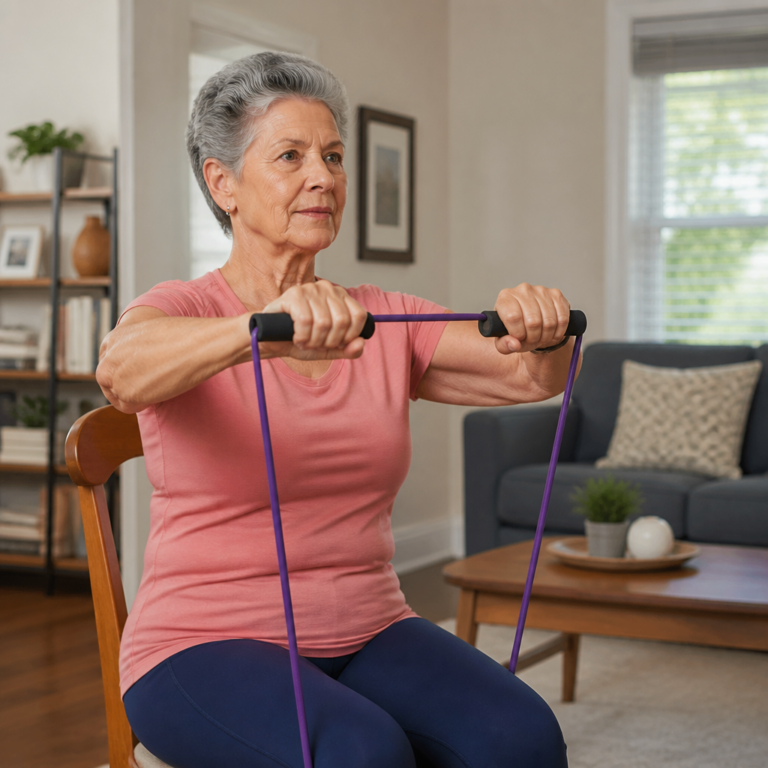
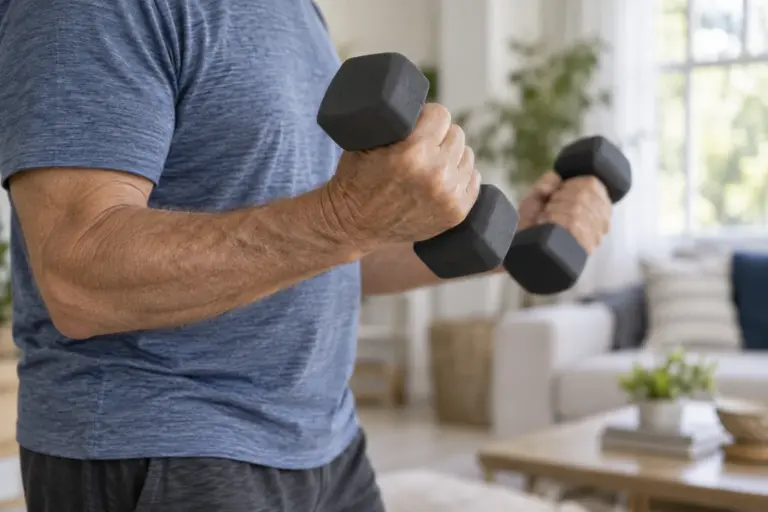
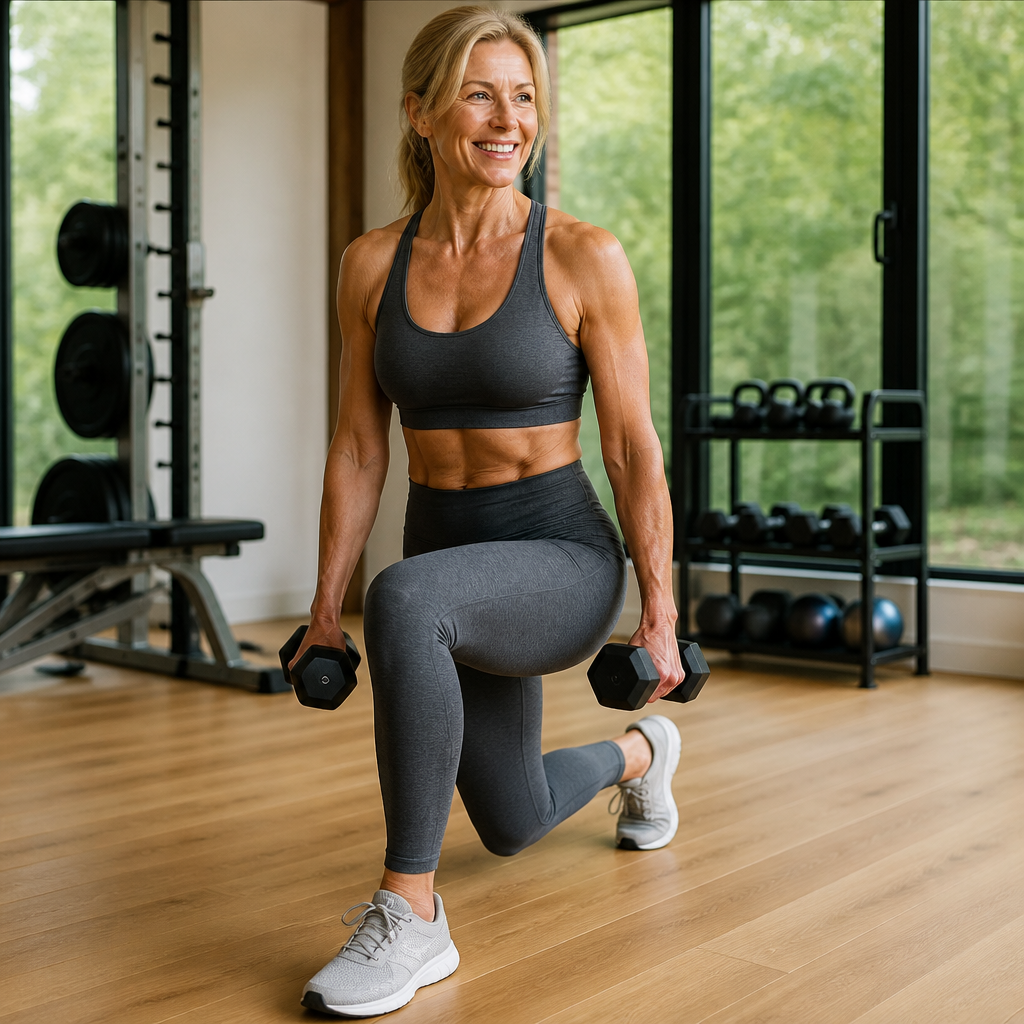
The most evidence-supported form of exercise for bone density. By loading the skeleton through muscular contraction, resistance training stimulates bone formation at the specific sites being worked — spine, hips and wrists being most relevant for osteoporosis risk.
How to start: Two sessions per week is a realistic minimum. Focus on compound movements — squats, Romanian deadlifts, rows, overhead press — performed with controlled form at a challenging but manageable weight. A certified strength coach or physiotherapist can help establish a safe starting point.
Who should be careful: People with vertebral fractures or severe osteoporosis should have a programme specifically designed by a physiotherapist. Spinal loading exercises may need modification or avoidance.
2. Weight-Bearing Walking
Walking is the most accessible option for most adults. It provides low-impact bone loading through the lower limbs and spine. Evidence suggests brisk walking is more beneficial than slow walking for bone health, and that varied terrain (hills, uneven surfaces) may provide more stimulus than flat treadmill walking.
Practical note: 30 minutes of brisk walking most days provides meaningful benefit. Adding a weighted vest (where appropriate) can increase the bone-loading stimulus further — though this requires medical clearance for anyone with osteoporosis or balance difficulties.
3. Stair Climbing
Stair climbing is a weight-bearing, impact-generating activity with a relatively low barrier to entry. Research suggests it can positively influence hip bone density in particular. It also builds lower-body strength and cardiovascular fitness simultaneously.
4. Low-Impact Aerobics and Dancing
Activities like low-impact aerobics classes, step classes and dancing involve ground-impact forces through the lower skeleton while maintaining cardiovascular demand. Dancing in particular has the additional benefit of improving balance and coordination — both relevant for fall prevention.
5. Balance and Stability Training
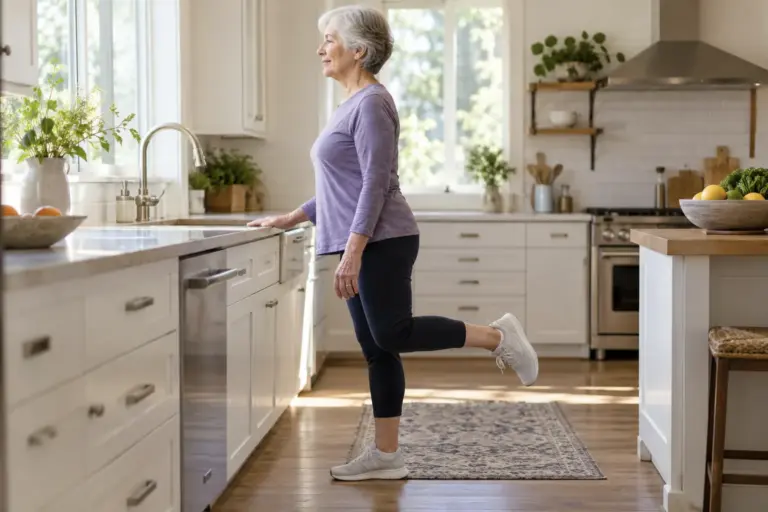
Balance work does not directly build bone density, but it substantially reduces fall risk — which is the mechanism through which osteoporosis most commonly causes serious injury. Standing on one leg, Tai Chi, yoga (with appropriate modifications) and balance board work all contribute.
The evidence for Tai Chi and fall prevention in older adults is particularly well established. Even practising single-leg standing for 30–60 seconds per side daily has been shown to improve balance in older adults.
6. Tai Chi
Tai Chi is specifically worth mentioning because it has been studied extensively in older adults for fall prevention — with consistent positive findings in multiple reviews and trials. It is low-impact, accessible to most fitness levels and provides the dual benefit of improving balance and reducing fear of falling.
7. Postural and Core Strengthening
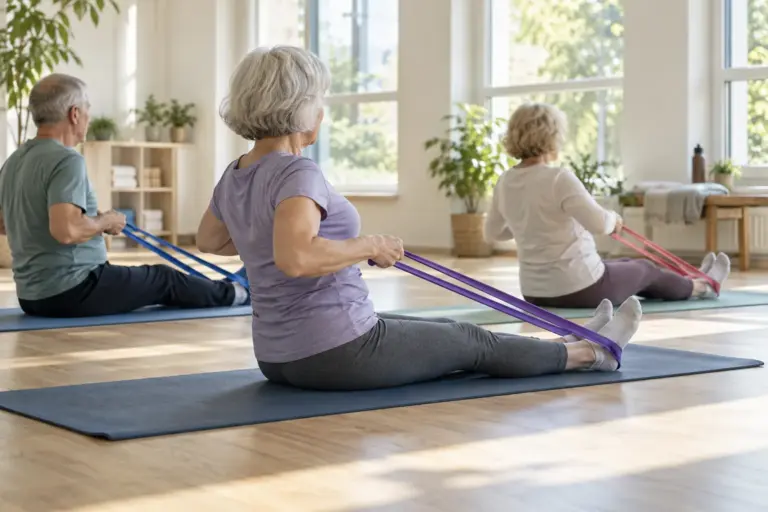
Kyphosis (a forward-rounded upper spine) becomes more common after 50, particularly in people with vertebral fractures or bone loss in the spine. Exercises that strengthen the posterior chain — back extensors, glutes, core — help maintain upright posture, which reduces spinal compressive load and the forward-rounding that increases vertebral fracture risk.
Important: For people with diagnosed vertebral osteoporosis, spinal flexion exercises (crunches, toe-touches, certain yoga poses) should be avoided or cleared with a physiotherapist first.
Exercises to Approach With Caution if You Have Osteoporosis
| Exercise type | Concern |
|---|---|
| Spinal flexion (crunches, sit-ups, toe-touches) | Increased compressive load on vertebrae — may raise fracture risk |
| Twisting movements under load | Rotational stress on vertebrae |
| High-impact activities (running, jumping) | May be appropriate for some but require medical clearance in severe osteoporosis |
| Movements requiring significant forward trunk lean | Increases vertebral compressive loading |
This is a general guide only. What is appropriate depends entirely on your individual bone density, fracture history and physical condition. A physiotherapist with experience in osteoporosis management is the best person to advise you.
How to Build a Realistic Weekly Routine
A practical starting point for most adults over 50 with no contraindications:
- 2 days per week: resistance training (full body or upper/lower split)
- 3–5 days per week: brisk walking (30 minutes or more)
- Daily: balance practice (single-leg standing, Tai Chi, or similar)
- As desired: dancing, low-impact aerobics, stair climbing
Consistency over months and years matters more than any single session. Bone remodelling is a slow process — research on exercise and bone density typically uses study periods of 12–24 months to detect meaningful changes.
Frequently Asked Questions
Can exercise help support bone density after 50?
Research shows that regular weight-bearing and resistance exercise can slow bone loss and in some cases modestly increase bone mineral density in postmenopausal women and older men. The effect is site-specific — exercise builds bone most at the sites being loaded. Results vary considerably between individuals, and exercise is generally more effective at preserving existing bone than recovering significant losses.
Is walking enough to protect bone health?
Walking helps, but it provides limited bone stimulus compared to resistance training, particularly for the spine and hip — the most fracture-relevant sites. Walking is a valuable component of a bone health routine, especially for fall prevention through improved fitness and balance, but most guidelines recommend combining it with some form of resistance training.
What if I have never done resistance training?
Beginners can start with bodyweight exercises (sit-to-stand from a chair, wall press-ups, step-ups) and progress gradually. Working with a physiotherapist or certified strength trainer, even for a few sessions, is worthwhile for establishing safe technique — especially if you have any bone fragility.
How soon can I expect to see results?
Bone density changes measurable on a DEXA scan typically take 12–24 months of consistent exercise to detect. Improvements in strength, balance and functional fitness are often noticeable within weeks to months. The goal is long-term maintenance, not a rapid transformation.
Related Articles
Sources and Further Reading
- Bone Health & Osteoporosis Foundation — Exercise and Safe Movement
- NIAMS — Osteoporosis
- Mayo Clinic — Osteoporosis and Exercise
- NHS — Osteoporosis Treatment (exercise section)
- CDC STEADI — Fall Prevention for Older Adults
This article is for educational purposes only. Always consult a qualified healthcare professional before starting a new exercise programme, especially if you have osteoporosis, a history of fractures or balance difficulties.
The Bone Density Solution
A structured program specifically designed for adults over 50 to improve bone density through diet, exercise, and lifestyle changes. Takes an integrated approach to reducing fracture risk.
Check The Bone Density Solution →Affiliate link — we may earn a commission at no extra cost to you. Full disclosure.
Medical disclaimer: This article is for informational purposes only and is not medical advice. Consult your physician before changing supplements, medications or exercise routines, especially if you have been diagnosed with osteopenia or osteoporosis. See our full medical disclaimer.
Looking for a structured approach? Read our Bone Density Solution review — a programme covering nutrition, exercise, supplements and lifestyle for adults in the osteopenia range.