On a Medication That Thins Bone? A Practical Plan to Protect Your Skeleton
If you have just discovered that a medication you rely on may be quietly working against your bones, take a breath. You are not in an emergency, and you almost certainly should not stop the drug. What you need is a plan, and the good news is that a sensible one exists. Plenty of people over 50 take medications that affect bone density and go on to keep strong, fracture-free skeletons for decades, simply because they got organized early and worked the problem with their doctor.
The list of culprits is longer than most people realize. Long-term steroids like prednisone are the best known, but certain acid reducers, some antidepressants, breast and prostate cancer treatments that lower sex hormones, a few diabetes and seizure medications, and others can all nudge bone turnover in the wrong direction over time. If you are not sure whether yours belongs on that list, our overview of medications that cause bone loss is a good place to start. But knowing the name of the drug is only the beginning. What matters far more is what you do next.
Start with a conversation, not a decision
The single most important move is to talk with the person who prescribed the medication before you change anything. It is tempting, once you read that a pill might be thinning your bones, to want to quit it on the spot. Resist that urge. For many people the underlying condition the drug treats is far more dangerous than the bone risk, and stopping abruptly can cause real harm. Your prescriber can weigh both sides of that ledger in a way a website never can.
Go into that appointment with specific questions. Is this the lowest effective dose? Is there an alternative medication with a gentler bone profile? How long do you realistically expect to be on it? A drug taken for six weeks is a very different conversation from one you will take for six years. If steroids are the issue, it is worth knowing that some of the damage is not permanent; we cover the nuance in our piece on whether prednisone bone loss is reversible. The point is to make this a shared, informed decision rather than a fearful, solo one.
Get a baseline so you can actually see what is happening
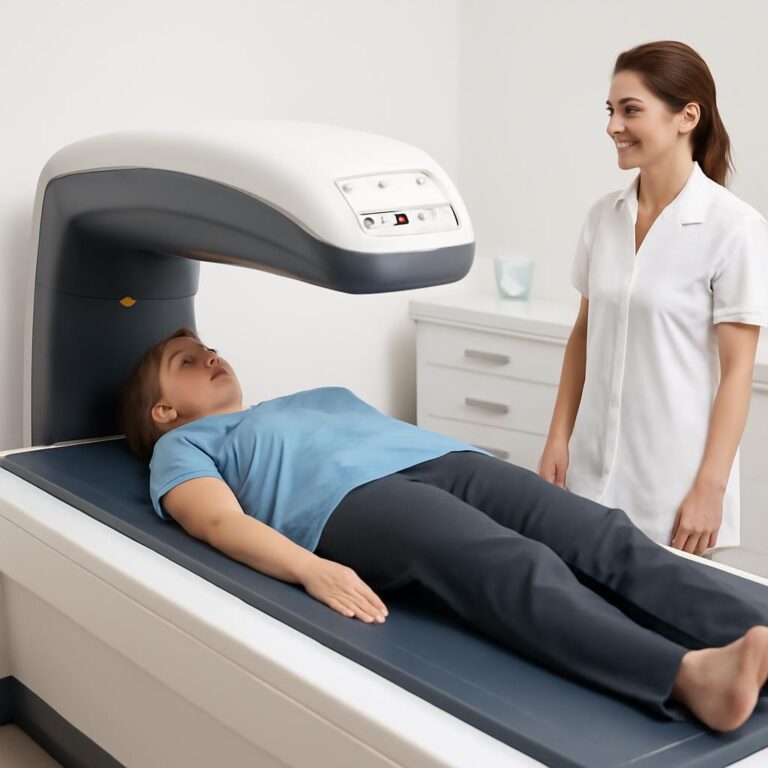
You cannot manage what you have not measured. Ask your doctor about a bone density scan, usually a DEXA (sometimes written DXA), which gives you a T-score and a clear starting point. Pair that with a FRAX assessment, a simple online calculation your doctor can run that estimates your ten-year fracture risk using your age, history, and bone density together. A single number on its own can be misleading; the combination tells a much richer story.
A baseline scan does two things. It tells you where you stand today, and it gives you something to compare against later, so you and your doctor can see whether your bones are holding steady or slipping. If the numbers look alarming at first glance, do not panic before you understand them; our guide on how to read DEXA scan results walks through what the scores actually mean in plain language.
Get the raw materials right: calcium, vitamin D, and protein
Bone is living tissue, constantly being broken down and rebuilt, and it needs raw materials to do that rebuilding. The three that matter most are calcium, vitamin D, and protein. Most adults over 50 do well aiming for somewhere around 1,000 to 1,200 milligrams of calcium a day, ideally from food first: dairy, canned fish with soft bones, tofu, leafy greens, and fortified products all count. Food-based calcium is gentler on the system than large supplement doses, so reach for the supplement bottle only to fill the gap between what you eat and what you need, and check the dose with your doctor.
Vitamin D is the partner that lets your body absorb that calcium in the first place, and it is where a lot of people over 50 quietly fall short, especially in winter or if they spend little time in the sun. A blood test can tell you where your level sits, and your doctor can recommend a supplement dose to bring it into a healthy range. Do not guess; more is not automatically better with vitamin D.
Protein is the ingredient most often forgotten in bone conversations, which is a shame, because roughly half of bone by volume is protein scaffolding. Skimping on it, as many older adults do, undermines both bone and the muscle that protects it. Spreading protein across your meals rather than loading it all into dinner helps your body use it, and we go deeper on the how and how-much in our article on protein and bone health.
Load your bones on purpose
Here is a truth that surprises people: bone responds to demand. Ask more of it, through weight-bearing movement and resistance, and it lays down more tissue to meet the challenge. Ignore it, and it quietly withdraws what it is not using. This is why exercise is not optional in a bone-protection plan; it is one of the few things that can prompt bone to build rather than merely slow its loss.
The two ingredients that matter are weight-bearing activity, meaning anything you do on your feet against gravity such as brisk walking, dancing, or stair climbing, and resistance training, meaning working your muscles against something whether that is dumbbells, bands, or your own body weight. Balance work belongs in the mix too, because a bone that never breaks is worth more than any scan number, and most fractures start with a fall. Start where you are, progress gradually, and if you have already lost significant density, get guidance before loading heavily. Our roundup of the best exercises to improve bone density after 50 lays out a sensible progression.
If pulling the nutrition and exercise pieces together on your own feels like a lot, a structured program can give you a framework to follow rather than a pile of loose advice. One option some readers use is The Bone Density Solution, which organizes the diet, movement, and lifestyle side into a single plan you can actually stick to.
Disclosure: the link above is an affiliate link, and we may earn a small commission at no extra cost to you.
A simple checklist to bring into focus
It helps to boil the plan down to a handful of concrete moves you can raise at your next appointment and act on this month. Think of this as the short version you can stick on the fridge:
- Book a conversation with your prescriber, and do not stop the medication on your own.
- Ask for a DEXA baseline and a FRAX fracture-risk estimate.
- Get your vitamin D level checked and dial in calcium mostly from food.
- Hit a protein target at each meal rather than all at once.
- Add resistance and weight-bearing exercise two to three times a week, plus balance work.
- Ask whether a bone-protective co-treatment is warranted for your risk level.
None of these requires heroics. What they require is that you actually do them, consistently, and check back in over time.
When lifestyle is not enough: co-treatment and monitoring
For some people, especially those on high-dose or long-term steroids or those who already show low bone density, diet and exercise are necessary but not sufficient. This is where a bone-protective co-treatment enters the picture. Medications such as bisphosphonates and other bone therapies can be prescribed alongside the drug that is causing the problem, effectively defending your skeleton while you continue the treatment you need. Guidelines increasingly recommend considering this early for higher-risk patients rather than waiting for a fracture to force the issue. Whether it makes sense for you depends on your FRAX score, your baseline scan, and your overall picture, which is precisely why the doctor conversation and the baseline measurement come first.
Finally, this is not a set-it-and-forget-it plan. Bone changes slowly, so monitoring tends to happen on a longer cadence than you might expect, often a repeat DEXA every one to two years depending on your risk and whether you are on a co-treatment. Your doctor may also track blood markers along the way. The point of that follow-up is not paperwork; it is feedback. It tells you whether the plan is working, so you can hold your course or adjust it before a small problem becomes a broken wrist or hip.
Being on a medication that affects your bones is not a sentence, and it is not a reason to abandon a treatment you need. It is a prompt to get deliberate: talk to your doctor, measure where you stand, feed and load your skeleton well, and revisit the numbers on a schedule. Do those things, and you shift from worrying about your bones to actively protecting them.
The Bone Density Solution
A structured program designed for adults over 50 to support bone density through diet, exercise, and lifestyle changes — an integrated approach to reducing fracture risk. Best used alongside, not instead of, professional medical care.
Check The Bone Density Solution →Affiliate link — we may earn a commission at no extra cost to you.
This article is for general education and is not medical advice; please talk with your own doctor about your medications and bone health before making changes. See our full medical disclaimer.