
Should You Take a Bone Health Supplement Stack? A Clear Guide
Disclosure: We may earn a commission if you purchase through links on this page. This does not affect our editorial assessment. See our affiliate disclosure.
If you’ve started researching bone health supplements, you’ve probably noticed something: the list of nutrients that matter is longer than just calcium. There’s vitamin D, vitamin K2, magnesium, collagen, boron, zinc, vitamin C… The question quickly becomes: do you really need all of these? And if so, do you buy them separately or look for a combined stack?

Here’s a clear-eyed breakdown of what a sensible bone health supplement stack looks like, what’s essential, what’s optional, and how to think about building yours.
The Non-Negotiables: Your Bone Health Foundation
These are the nutrients with the strongest evidence for bone health — the ones where deficiency is common, the mechanisms are well understood, and the research on supplementation in adults over 50 is robust.
1. Calcium (if dietary intake is insufficient)
Target: 1,200 mg/day total for women over 50, 1,000–1,200 mg for men over 50 — from food and supplements combined. Track your dietary calcium before deciding how much to supplement. Many people get 600–800 mg from food, meaning they need only 400–600 mg from supplements — not 1,000 mg on top of diet. Form: calcium citrate is preferred for people over 50 (better absorbed without food). Dose no more than 500 mg at a time.
2. Vitamin D3
Target: 800–2,000 IU daily depending on your blood levels. Vitamin D deficiency is extremely common in adults over 50 — particularly in northern latitudes, in people who spend little time outdoors, and in darker-skinned individuals. Get your 25(OH)D level tested if you haven’t — many people need significantly more than the standard 800 IU to reach an optimal range (generally 40–60 ng/mL). Always choose D3 (cholecalciferol) over D2.
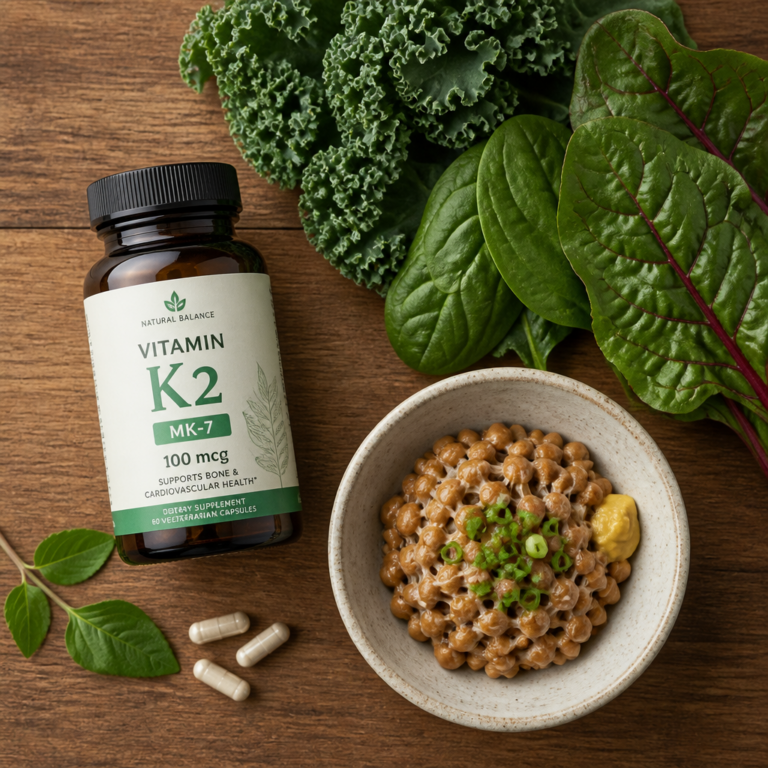
3. Vitamin K2 (MK-7)
Target: 100–200 mcg of MK-7 daily. K2 activates osteocalcin (which binds calcium to bone) and Matrix Gla Protein (which prevents calcium from depositing in arteries). It’s poorly represented in Western diets. The combination of D3 + K2 is now standard in quality bone health formulas — D3 increases calcium absorption, K2 directs it appropriately. Look for supplements that combine both.
4. Magnesium
Target: 300–400 mg daily. Magnesium is required for vitamin D metabolism, regulates calcium transport, and is stored directly in bone. Most adults don’t meet recommended intakes from diet alone. Magnesium glycinate or citrate are preferred forms. Take separately from calcium if possible, as they compete for absorption at very high doses.
The Strong Supporting Cast: Worth Adding for Most People
5. Collagen Peptides (Hydrolyzed)
5g daily of hydrolyzed collagen peptides, ideally taken with vitamin C. The bone matrix is ~90% collagen by organic composition — and collagen supplementation has shown meaningful bone density improvements in RCTs when combined with calcium and D3. Not a replacement for the foundation, but a meaningful addition.
6. Vitamin C
100–200 mg daily (easily met through diet, but worth checking). Essential cofactor for collagen synthesis. If you’re supplementing collagen, taking vitamin C alongside enhances its effectiveness. Most people get adequate vitamin C from fruit and vegetables, but it’s worth ensuring.
7. Zinc
8–11 mg daily (RDA). Zinc is involved in bone formation and mineralization. Deficiency — which becomes more common with age — is associated with lower bone density. Usually covered by a good diet including meat, shellfish, and legumes, but worth checking if your diet is restricted.
The Situational Additions: Useful in Specific Circumstances
Boron
3–6 mg daily. Some evidence suggests boron supports bone metabolism and may enhance the effects of vitamin D and estrogen. The evidence base is smaller than the core nutrients, but boron is inexpensive and well-tolerated — a reasonable addition for people optimizing a complete stack.
Omega-3 (EPA+DHA)
1–2g daily. Primarily valuable for its anti-inflammatory effects that reduce inflammatory bone loss. Particularly relevant if your dietary fish intake is low. Also benefits cardiovascular health, making it worthwhile beyond bone alone.
Strontium
Worth discussing with your doctor. Strontium ranelate (prescription) has demonstrated significant bone density improvements in clinical trials. OTC strontium citrate is a lower-dose alternative, though evidence is less clear than for the prescription form. Not for everyone, but relevant for people with established osteoporosis who want to explore all options.
What to Avoid: Common Mistakes
- Buying a cheap “bone formula” with low-quality forms. Calcium carbonate in a single large dose, D2 instead of D3, no K2, minimal magnesium — many affordable bone supplements tick none of the right boxes. Read labels carefully.
- Doubling up without tracking. If you’re taking a multivitamin plus individual supplements, you may be getting far more than you realize of fat-soluble vitamins like D and K — or competing forms of calcium and magnesium. Audit your total intake.
- Treating supplements as a substitute for diet and exercise. Supplements fill gaps — they don’t replace the bone-building stimulus that comes from weight-bearing exercise and protein-rich whole foods.
Building vs. Buying a Stack
You can either build your own stack from individual supplements (more control, but more complexity) or find a quality combination formula that covers the key bases. A well-formulated bone health supplement will include D3, K2 (MK-7), calcium citrate, and magnesium at minimum. Add collagen peptides and omega-3s separately if you want a comprehensive approach.
For those who prefer a program that takes the guesswork out of the entire approach — combining nutritional strategy, supplementation guidance, and exercise into a clear daily framework — The Bone Density Solution offers exactly that. It’s designed specifically for adults over 50 who want to take an informed, structured approach to building and protecting their bone density naturally.
The Simple Version
If you want a starting stack that covers the most important bases:
- Calcium citrate 500mg (if needed to bridge dietary gap)
- Vitamin D3 1,000–2,000 IU
- Vitamin K2 MK-7 100–200 mcg
- Magnesium glycinate 300–400 mg
- Hydrolyzed collagen peptides 5g
That covers the most important bases, avoids common pitfalls, and provides meaningful support for your bones — without excessive complexity or cost.
Related articles:
Calcium, Vitamin D & Beyond: What Your Bones Need
Vitamin K2 and Bone Health: The Missing Piece
Magnesium and Bone Health: The Overlooked Mineral
Collagen and Bone Health: What the Science Says
Related Articles
Sources and Further Reading
This article is for educational purposes only and does not replace advice from a qualified healthcare professional.
The Bone Density Solution
A structured program specifically designed for adults over 50 to improve bone density through diet, exercise, and lifestyle changes. Takes an integrated approach to reducing fracture risk.
Check The Bone Density Solution →Affiliate link — we may earn a commission at no extra cost to you. Full disclosure.
Disclosure: This article contains affiliate links. We may earn a small commission if you purchase through our links, at no extra cost to you.
Medical disclaimer: This article is for informational purposes only and is not medical advice. Consult your physician before changing supplements, medications or exercise routines, especially if you have been diagnosed with osteopenia or osteoporosis. See our full medical disclaimer.