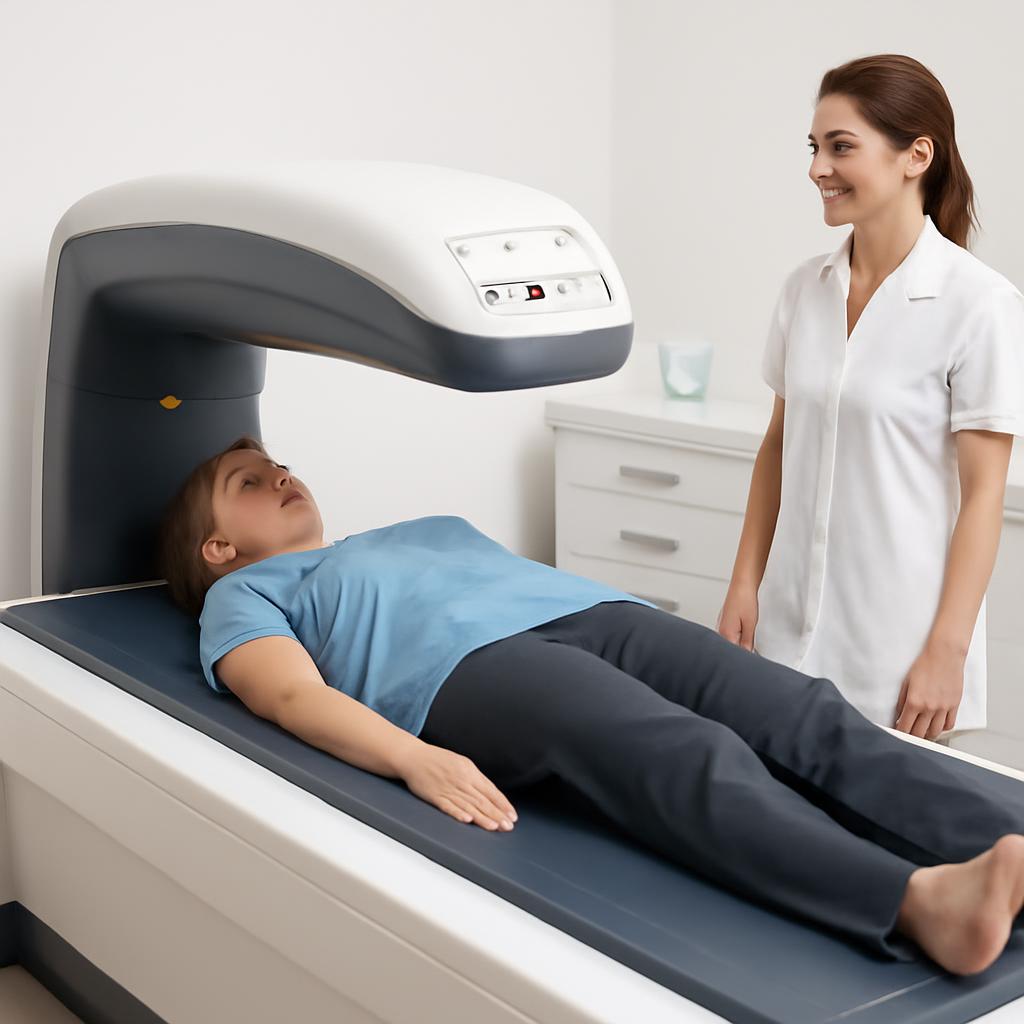
Best Bone Density Supplements in 2026: 8 Evidence-Based Options
Affiliate & medical disclosure: This article contains affiliate links. We may earn a small commission at no extra cost to you. Supplements do not replace medical treatment. See our affiliate disclosure and medical disclaimer.
The supplement market for bone health is crowded and confusing. We reviewed the category for adults over 50 and identified the products worth considering — along with the evidence behind each.
The 8 Best Bone Density Supplements for 2026
1. The Bone Density Solution (Best Structured Protocol)
Type: Complete lifestyle program | Price: $49 one-time | Guarantee: 60-day
Not just supplements — a comprehensive protocol covering exercise, nutrition, supplementation, protein, and lifestyle. We rank it first because individual supplements work best as part of a coherent system. The program specifies vitamin D3 2000-4000 IU, K2 MK-7 at 180 mcg, magnesium glycinate 300-400 mg, and food-first calcium.
2. Vitamin K2 (MK-7) — Most Underused Bone Nutrient
Dose: 180 mcg daily | Form: Menaquinone-7
Directs calcium to bone and away from arteries. Post-menopausal trials at 180 mcg/day show measurable bone density improvements. The supplement most bone regimes are missing. Caveat: interacts with warfarin.
3. Vitamin D3 — The Foundation
Dose: 1000-4000 IU daily | Target: 30-50 ng/mL serum
Enables calcium absorption. Most adults over 50 are insufficient. D3 is activated by magnesium — the two work as a pair.
4. Magnesium Glycinate — Overlooked Cofactor
Dose: 200-400 mg daily | Form: Glycinate or citrate
60% of body magnesium sits in bone. Low magnesium = lower bone density, impaired vitamin D activation, higher fracture risk. Most diets fall short.
5. Calcium (Food First)
Target: 1000-1200 mg total daily | Form: Citrate if supplementing
Essential but the approach has shifted: food sources first, supplements only to fill the gap. High-dose calcium without K2 has raised cardiovascular concerns.
6. Collagen Peptides
Dose: 5-15g daily | Type: Hydrolyzed types I and III
Bone matrix is ~90% type I collagen. Several small trials show modest bone density benefits over 12 months. Promising but less robust than D, K2, or magnesium.
7. Boron
Dose: 3-6 mg daily
Supports calcium and magnesium metabolism. Reduces urinary calcium loss. Low cost, well-tolerated.
8. Silicon (Orthosilicic Acid)
Dose: 5-10 mg daily
Plays a role in collagen formation and bone mineralization. Positive association in the Framingham Offspring Study.
The Stack We Recommend
- Vitamin D3: 2000-4000 IU daily
- Vitamin K2 (MK-7): 180 mcg daily
- Magnesium glycinate: 200-300 mg (evening)
- Calcium: food first; supplement only to reach 1000-1200 mg total
- Collagen peptides: 10g daily (optional)
- Boron: 3 mg daily (optional)
For the structured program: The Bone Density Solution review.
FAQ
What is the best supplement for bone density?
No single supplement is best. Vitamin D + K2 (MK-7) + magnesium is the most evidence-supported combination for adults over 50.
Can supplements reverse osteoporosis?
Unlikely alone. Combined with exercise and lifestyle changes, 1-2% T-score improvement over 12-18 months is realistic in the osteopenia range. Severe osteoporosis typically requires medication.
Are bone supplements safe?
At recommended doses, yes for adults with normal kidney function. K2 interacts with warfarin. Discuss with your physician.
How long before supplements affect bone density?
DEXA changes: 12-18 months. Subjective improvements: 6-8 weeks.
Should I take calcium and magnesium together?
Separate by 2-4 hours. Both compete for absorption. Calcium with breakfast, magnesium with dinner.