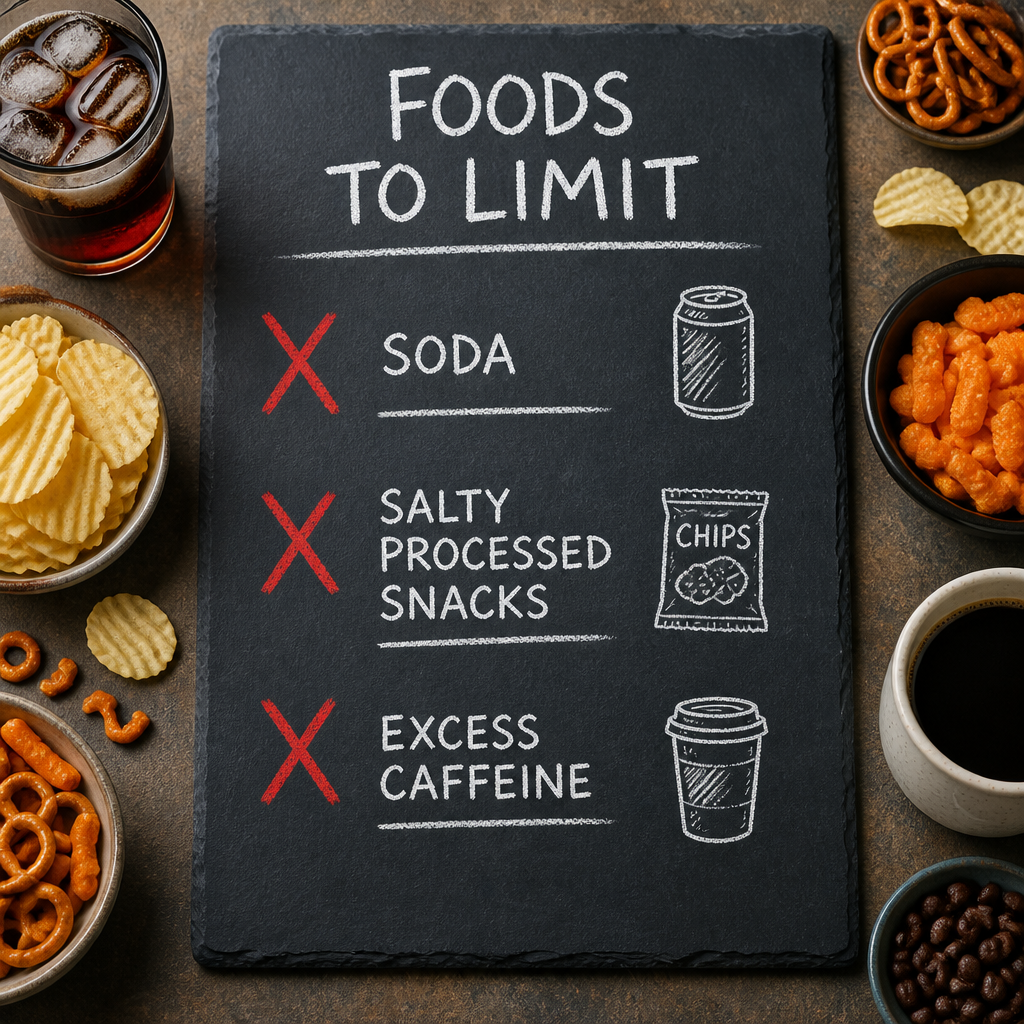
Foods to Limit if You Have Osteoporosis: What the Evidence Says
Disclosure: We may earn a commission if you purchase through links on this page. This does not affect our editorial assessment. See our affiliate disclosure.
Disclosure: This article contains affiliate links. We may earn a small commission if you purchase through our links, at no extra cost to you.
When it comes to bone health, what you eat matters — but so does what you avoid. Certain foods and dietary patterns actively work against your bones by impairing calcium absorption, increasing calcium excretion, promoting inflammation, or directly interfering with bone metabolism.
Foods That Can Undermine Bone Health
1. Excessive Salt (Sodium)
High sodium intake increases urinary calcium excretion. For every 2,300mg of sodium consumed (roughly one teaspoon of salt), about 40mg of calcium is lost in urine. Over time, in people with marginal calcium intake, this can contribute to net calcium depletion. The main sources of excess sodium in Western diets are processed foods, canned soups, deli meats, and restaurant meals — not the salt shaker.
2. High-Oxalate Foods (in Excess)
Oxalates in food bind to calcium in the gut and prevent absorption. Spinach, beet greens, rhubarb, and Swiss chard are high in oxalates — meaning despite appearing calcium-rich on labels, little of their calcium is actually absorbed. These foods are nutritious in other ways and don’t need to be eliminated, but shouldn’t be relied on as primary calcium sources. Low-oxalate greens like kale, bok choy, and broccoli are better bone health choices.
3. Excessive Caffeine
Very high caffeine intake (more than 4–5 cups of coffee per day) is associated with modestly increased calcium excretion. At moderate intake (1–2 cups per day), the effect is minimal and can be offset by adding a splash of milk. Coffee doesn’t need to be eliminated — just kept within reasonable amounts and not used as a substitute for calcium-rich beverages.
4. Soft Drinks (Especially Cola)
Cola drinks contain phosphoric acid, which may interfere with calcium metabolism when consumed in large amounts. Multiple studies have found associations between cola consumption and lower bone density, particularly in women. Non-cola carbonated drinks don’t show the same association, suggesting the phosphoric acid rather than carbonation is the relevant factor.
5. Ultra-Processed Foods
Diets high in ultra-processed foods are associated with higher inflammatory markers, lower micronutrient intake, and poorer bone health outcomes. They displace nutrient-dense whole foods, are typically high in sodium and low in calcium and magnesium, and promote the chronic low-grade inflammation that accelerates bone resorption.
6. Excess Alcohol
Heavy alcohol consumption directly suppresses osteoblast activity, impairs vitamin D activation, and increases calcium excretion. It also significantly raises fall risk. While moderate drinking appears largely neutral for bone health, heavy drinking — more than 2–3 drinks per day consistently — is associated with significantly lower bone density and higher fracture rates.
The Bigger Picture
No single food causes osteoporosis, and avoiding these foods won’t compensate for an otherwise poor diet or sedentary lifestyle. These are factors to moderate within an overall pattern of eating that prioritizes whole, nutrient-dense foods — plenty of calcium-rich vegetables, lean protein, healthy fats, and minimal processing.
For a structured approach to bone-healthy eating and lifestyle, The Bone Density Solution provides practical daily guidance designed specifically for adults over 50.
Related articles:
The Best Foods for Stronger Bones
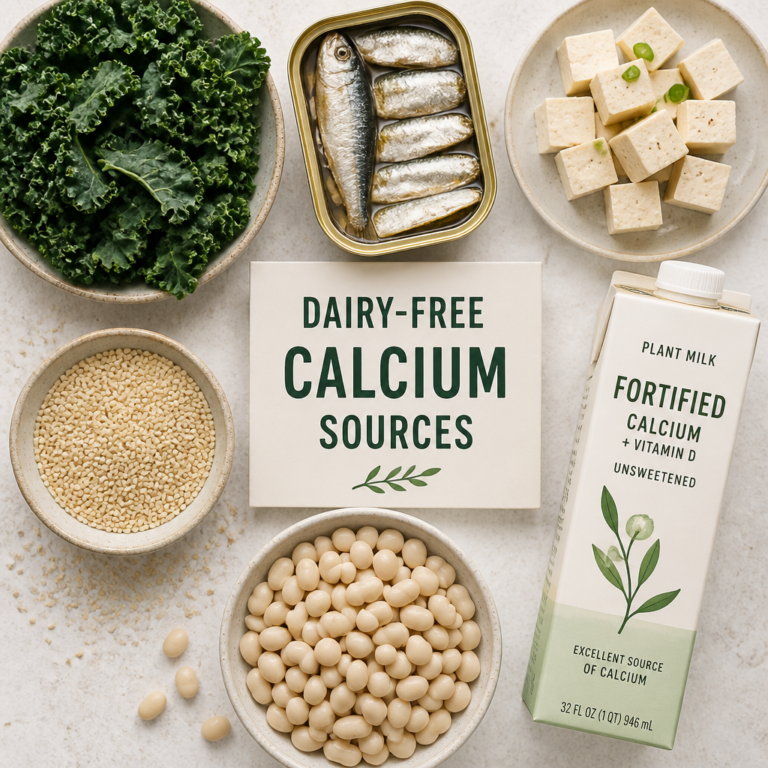
The Best Dairy-Free Sources of Calcium
Anti-Inflammatory Foods That Support Bone Health
Related Articles
Medical disclaimer: This article is for informational purposes only and is not medical advice. Consult your physician before changing supplements, medications or exercise routines, especially if you have been diagnosed with osteopenia or osteoporosis. See our full medical disclaimer.