The Connection Between Gut Health and Bone Density
Disclosure: This article contains affiliate links. We may earn a small commission if you purchase through our links, at no extra cost to you.
The idea that gut health influences bone density sounds surprising — but the “gut-bone axis” is a genuinely emerging area of research with a growing body of supporting evidence. Understanding this connection opens up practical strategies for supporting bone health that go beyond the usual calcium and vitamin D advice.
How the Gut Influences Bone
Calcium and mineral absorption: The gut is where calcium, magnesium, and phosphorus are absorbed from food. A healthy gut lining with diverse microbiota produces short-chain fatty acids that lower intestinal pH, enhancing mineral solubility and absorption. Gut inflammation or intestinal permeability (“leaky gut”) impairs this absorption. Conditions like celiac disease and inflammatory bowel disease — both gut disorders — are strongly associated with low bone density precisely because of nutrient malabsorption.
Systemic inflammation: A dysbiotic (imbalanced) microbiome promotes low-grade systemic inflammation through increased intestinal permeability and altered immune signaling. This systemic inflammation elevates pro-inflammatory cytokines that stimulate osteoclast activity and suppress osteoblast function — directly accelerating bone loss.
Estrogen recycling: The “estrobolome” — the community of gut bacteria responsible for metabolizing estrogen — influences how much estrogen circulates in the body. A less diverse microbiome may reduce estrogen recycling, lowering circulating estrogen levels. For postmenopausal women, where estrogen deficiency already drives bone loss, this additional reduction may compound the problem.
Neurotransmitter and hormone signaling: Gut bacteria produce and modulate serotonin, which has receptors in bone and influences bone density. The full complexity of gut-bone signaling is still being mapped.
Practical Strategies for Gut-Bone Health
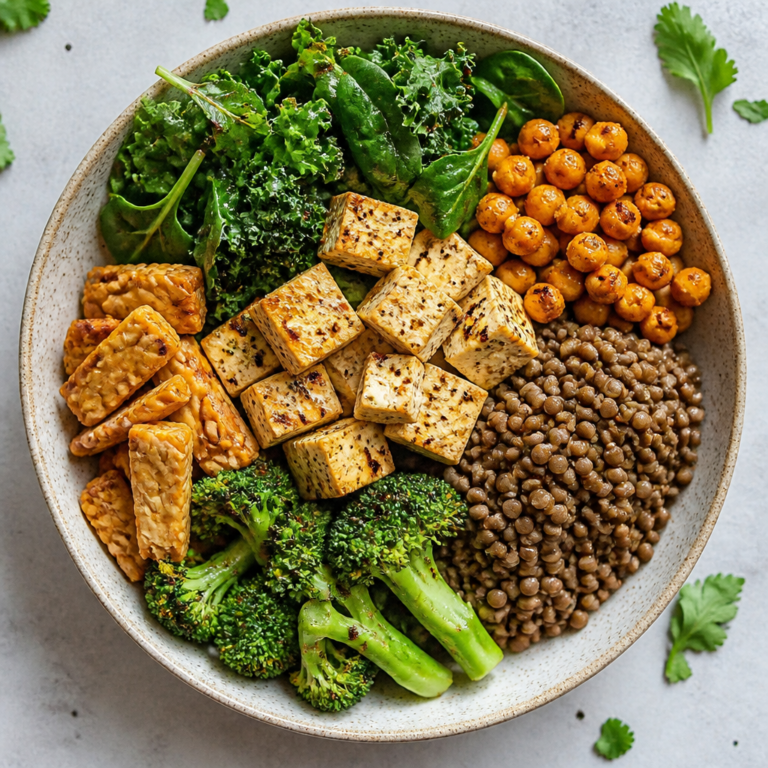
Dietary fiber: Prebiotic fibers (from onions, garlic, leeks, asparagus, oats, legumes, and bananas) feed beneficial gut bacteria and promote microbiome diversity. A high-fiber diet is consistently associated with better gut health markers and, through the mechanisms above, better bone outcomes.
Fermented foods: Yogurt, kefir, kimchi, sauerkraut, and miso introduce live beneficial bacteria and support microbiome diversity. Kefir in particular combines calcium, protein, and probiotics — making it especially useful from a bone health perspective.
Minimize gut disruptors: Processed foods, excessive alcohol, antibiotics (when avoidable), and chronic stress all negatively affect gut microbiome diversity. These are worth moderating for bone health as much as for general gut health.
For a complete bone health program integrating nutrition and lifestyle factors, The Bone Density Solution provides structured daily guidance for adults over 50.
Related articles:
Probiotics and Bone Health
Anti-Inflammatory Foods That Support Bone Health
What Foods to Avoid If You Have Osteoporosis
Sources and Further Reading
- NIAMS — Bone Health and Osteoporosis
- Bone Health & Osteoporosis Foundation
- Harvard Health — Bone Health for Life
This article is for educational purposes only and does not replace advice from a qualified healthcare professional.