
Osteoporosis vs Osteopenia: Understanding the Difference
Disclosure: We may earn a commission if you purchase through links on this page. This does not affect our editorial assessment. See our affiliate disclosure.
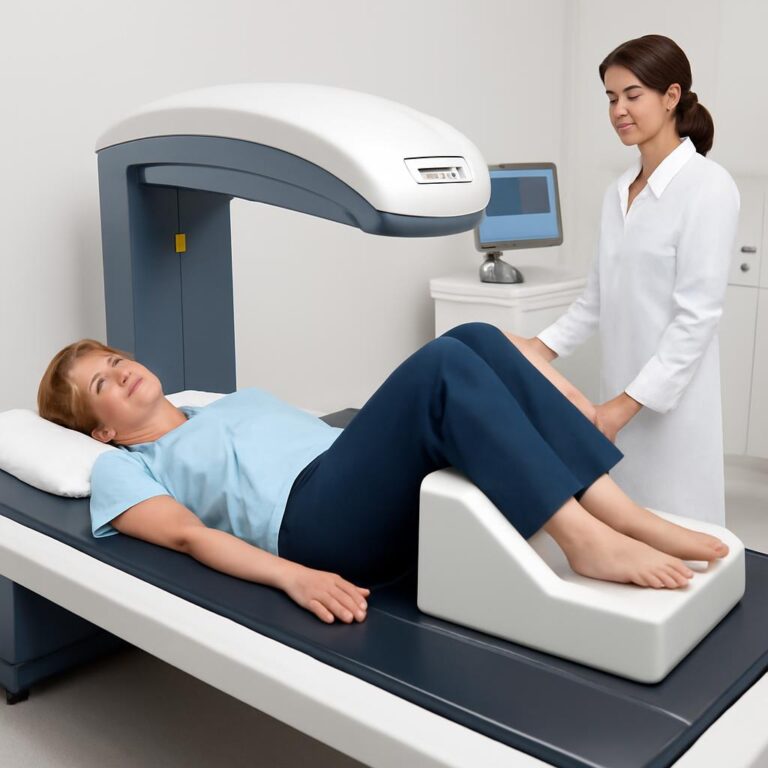
If you’ve had a DEXA scan recently, you may have come home with one of two words in your report: osteopenia or osteoporosis. These terms are often confused — and the confusion matters, because how you respond to each should be quite different.
The Definitions
Both terms describe bone mineral density (BMD) relative to the average peak bone density of a healthy young adult. This comparison is expressed as a T-score.
| T-Score | Classification |
|---|---|
| -1.0 or above | Normal bone density |
| Between -1.0 and -2.5 | Osteopenia |
| -2.5 or below | Osteoporosis |
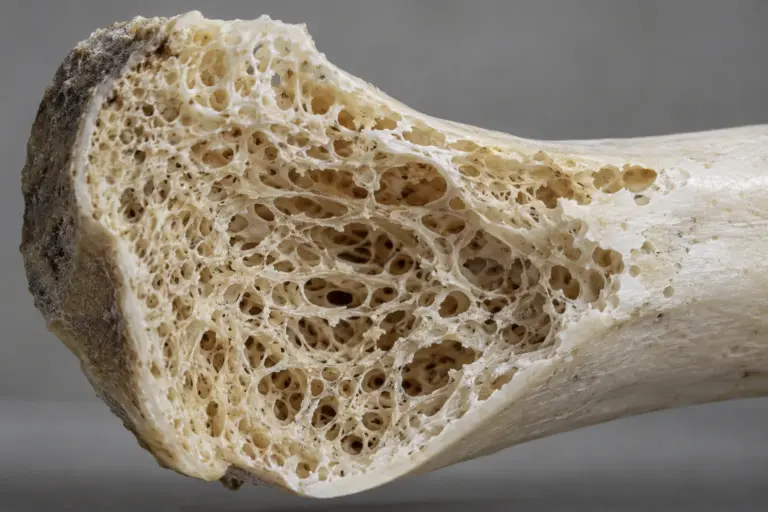
Osteopenia literally means “poverty of bone” — your bone density is lower than the average for a young adult, but not low enough to be classified as osteoporosis. Osteoporosis means the bone density is significantly below that reference point.
Osteopenia Is Not a Disease
This is important. Osteopenia is a statistical designation, not a diagnosis of illness. It simply means you’re in a range where your bone density is lower than average. Many people in this range will never develop osteoporosis or experience a fragility fracture — especially if they take appropriate action.
Osteopenia is best understood as a warning sign and an opportunity. It signals that your bones deserve attention, and that now — before reaching osteoporotic levels — is the ideal time to make meaningful lifestyle changes. The trajectory can be altered.
Osteoporosis: A Different Situation
Osteoporosis represents a more significant reduction in bone density that raises fracture risk substantially. A T-score of -2.5 or below at the hip or spine places you in this category. The presence of a fragility fracture (a fracture from low-impact trauma) alongside a T-score at or below -2.5 is classified as severe osteoporosis.
At this level, the risk of fracture from everyday activities — a stumble, a minor fall, even a vigorous sneeze in the case of vertebral fractures — is meaningfully elevated. Medical treatment is often appropriate in addition to lifestyle changes.
Fracture Risk Goes Beyond the T-Score
Neither osteopenia nor osteoporosis exists in isolation. Your actual fracture risk depends on a combination of factors that go beyond bone density alone — age, sex, previous fractures, family history, medications, smoking, and body weight all play a role. The FRAX tool (Fracture Risk Assessment Tool) combines your T-score with these factors to estimate your 10-year fracture probability, and many doctors use this rather than T-score alone to guide treatment decisions.
This means two people with the same T-score can have very different actual fracture risks — and may warrant different responses.
What to Do If You Have Osteopenia
The response to osteopenia should be active but not alarmed. The evidence-based priorities: adequate calcium and vitamin D, regular weight-bearing and resistance exercise, adequate protein, vitamin K2, and addressing lifestyle risk factors (smoking, excess alcohol, poor sleep, chronic stress). These interventions can stabilize bone density at the osteopenic level and in many cases produce modest improvements. For most people with osteopenia, medication is not immediately necessary — though your doctor will assess your specific situation.
What to Do If You Have Osteoporosis
Osteoporosis warrants a more active response, typically involving both the lifestyle interventions above and a conversation with your doctor about medical treatment options. Bisphosphonates, denosumab, and other medications can significantly reduce fracture risk and should be considered alongside lifestyle changes, not instead of them. Fall prevention measures become particularly important.
Wherever you are on this spectrum, a structured program that addresses all the key bone health factors together is valuable. The Bone Density Solution is one resource that takes this integrated approach, designed specifically for adults over 50.
Related articles:
How to Read Your DEXA Scan Results
Warning Signs of Low Bone Density
Osteoporosis Prevention: Habits That Make a Difference
Related Articles
Sources and Further Reading
This article is for educational purposes only and does not replace advice from a qualified healthcare professional.
The Bone Density Solution
A structured program specifically designed for adults over 50 to improve bone density through diet, exercise, and lifestyle changes. Takes an integrated approach to reducing fracture risk.
Check The Bone Density Solution →Affiliate link — we may earn a commission at no extra cost to you. Full disclosure.
Disclosure: This article contains affiliate links. We may earn a small commission if you purchase through our links, at no extra cost to you.
Medical disclaimer: This article is for informational purposes only and is not medical advice. Consult your physician before changing supplements, medications or exercise routines, especially if you have been diagnosed with osteopenia or osteoporosis. See our full medical disclaimer.
Looking for a structured approach? Read our full review of The Bone Density Solution — a programme covering nutrition, exercise, supplements and lifestyle for adults in the osteopenia range.