Body Weight and Bone Density: Why Underweight Is a Risk
Disclosure: This article contains affiliate links. We may earn a small commission if you purchase through our links, at no extra cost to you.
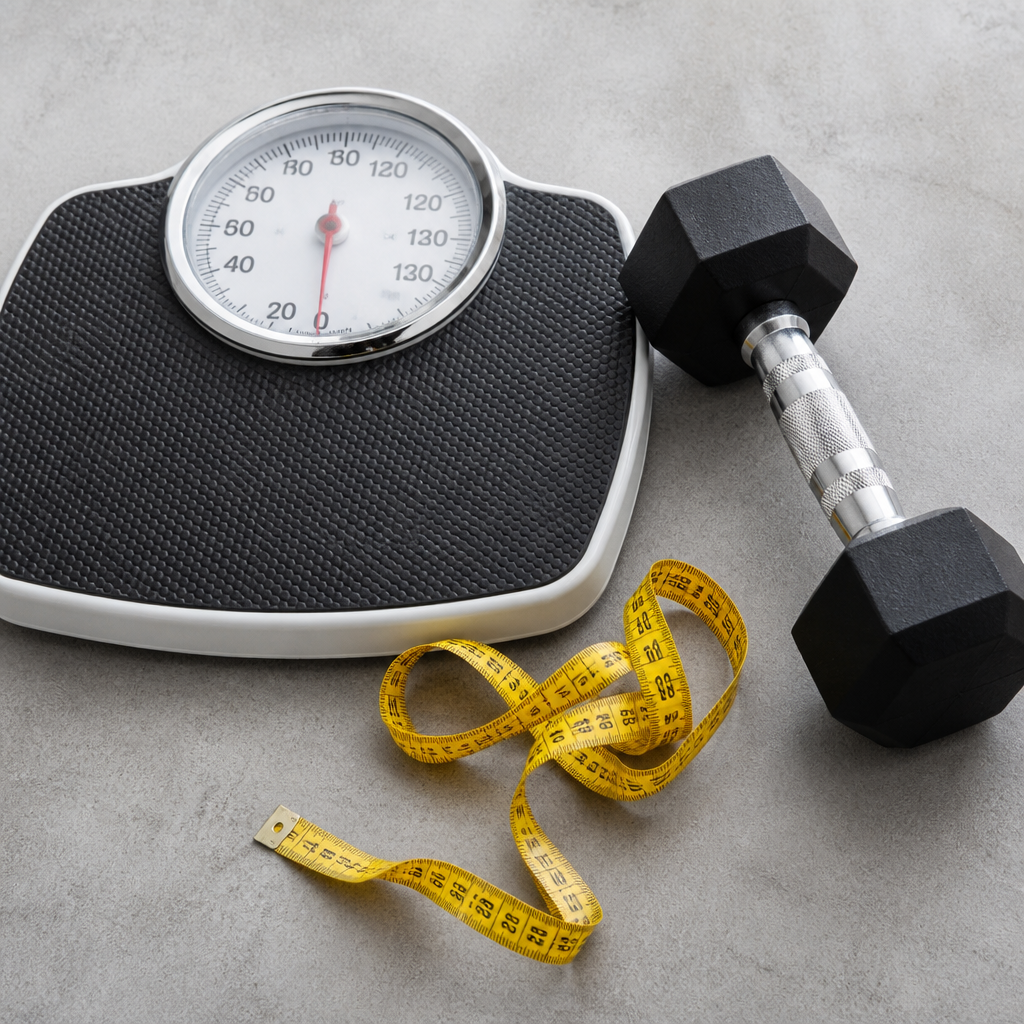
Body weight is one of the most significant modifiable factors in bone health — yet it rarely comes up in discussions beyond a general mention that “being underweight is bad for bones.” The relationship is more nuanced and more interesting than that summary suggests.
Mechanical Loading: More Weight = More Bone Stimulus
Every time you stand, walk, or move, your skeleton bears your body weight. This mechanical load is a primary stimulus for bone formation — bone responds to stress by becoming denser. Heavier people, all else being equal, tend to have higher bone mineral density simply because their skeleton is carrying more load on a daily basis. This is one reason why obese individuals often have surprisingly high bone density despite other metabolic disadvantages.
Adipose Tissue and Estrogen
Fat tissue (adipose tissue) is metabolically active. It produces estrogen through a process called aromatization — converting androgens (male hormones circulating in small amounts in both men and women) into estrogens. After menopause, when the ovaries stop producing estrogen, adipose tissue becomes the primary source of estrogen in women. Higher body fat provides more estrogen production, which has a modest bone-protective effect. This is part of why very lean postmenopausal women tend to have lower bone density.
Underweight and Bone Health
Being underweight — a BMI below 18.5 — is one of the most consistent independent risk factors for osteoporosis and fracture. The effects compound: lower mechanical loading, less adipose-derived estrogen, typically lower muscle mass, and often lower calcium and protein intake. Athletes with low body fat and restricted energy intake (relative energy deficiency in sport, or RED-S) are particularly at risk for accelerated bone loss despite high physical activity levels.
Obesity and Bone Health: A More Complex Picture
While higher body weight generally correlates with higher bone density, obesity comes with its own bone health complications. Excess visceral fat promotes systemic inflammation, which can increase bone resorption. Obesity is associated with vitamin D deficiency (vitamin D is sequestered in fat tissue and less biologically available). Falls in obese individuals may be associated with different fracture patterns. And weight loss — which is generally health-promoting — causes some bone loss, particularly from diets that are very low in calcium or protein.
The Practical Takeaway
For bone health: avoiding underweight is critical. Maintaining a healthy weight in the normal to slightly overweight range (BMI 22–27) appears favorable for bone density in postmenopausal women. If pursuing weight loss, ensuring adequate protein and calcium intake minimizes bone loss during the process. Weight-bearing and resistance exercise becomes even more important when body weight decreases.
For a complete bone health approach, The Bone Density Solution provides structured guidance for adults over 50.
Related articles:
How Menopause Affects Bone Density
Osteoporosis Prevention: Habits That Make a Difference
Warning Signs of Low Bone Density
Who Should Speak With a Doctor About Body Weight and Bone Health
Body weight and bone density are closely related, but weight management should always be approached carefully in the context of bone health. Speak with your doctor if:
- You are considering significant weight loss and have been diagnosed with osteopenia or osteoporosis
- You have a history of disordered eating, which can severely affect bone density
- You are underweight, as low body weight is a recognised risk factor for fractures
- You are on medications that affect bone metabolism (steroids, certain thyroid medications)
Any changes to diet or activity levels that may significantly affect your weight are worth discussing with your GP, especially if you have existing bone health concerns.
Sources and Further Reading
- NIAMS — Bone Health and Osteoporosis
- Bone Health & Osteoporosis Foundation
- Harvard Health — Bone Health for Life
This article is for educational purposes only and does not replace advice from a qualified healthcare professional.