25 Evidence-Based Bone Tactics: A Practical Round-Up for Adults After 50
After years of writing about specific bone-health topics, the underlying lessons converge into a relatively short list. These 25 tactics have published evidence supporting them — not theoretical mechanisms, but measured outcomes in human studies. Some are obvious; some are not. Together they form a working playbook.
Nutrition (1-7)
1) Reach 1.0-1.2 g/kg daily protein, distributed across 3-4 meals. 2) Reach 1000-1200 mg daily calcium, food-preferred. 3) Maintain serum 25-hydroxyvitamin D at 35-50 ng/mL. 4) Supplement 90-180 mcg K2 (MK-7) daily if dietary intake is low. 5) Aim for 5-9 servings of fruits and vegetables daily. 6) Limit sodium to under 2.3 g per day. 7) Limit alcohol to under one drink per day if at all.
Movement (8-14)
8) Resistance training, full-body, 2-3 times per week. 9) Weight-bearing aerobic activity (walking, hiking) 30+ minutes daily. 10) Multidirectional jumping or impact loading 3-5 times per week (when appropriate). 11) Heel drops 10-20 reps, 3-5 times daily (when jumping not feasible). 12) Balance training 2-3 times per week (tai chi, single-leg stance, agility). 13) Posture and back-extensor work for vertebral protection. 14) Avoid prolonged immobilization; move within tolerance during illness or recovery.
Medical and screening (15-19)
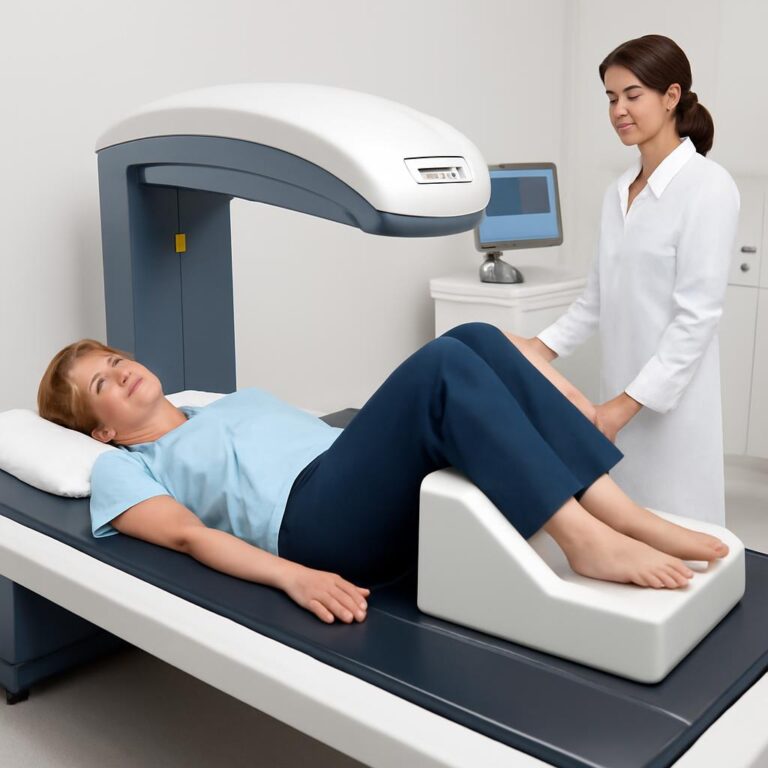
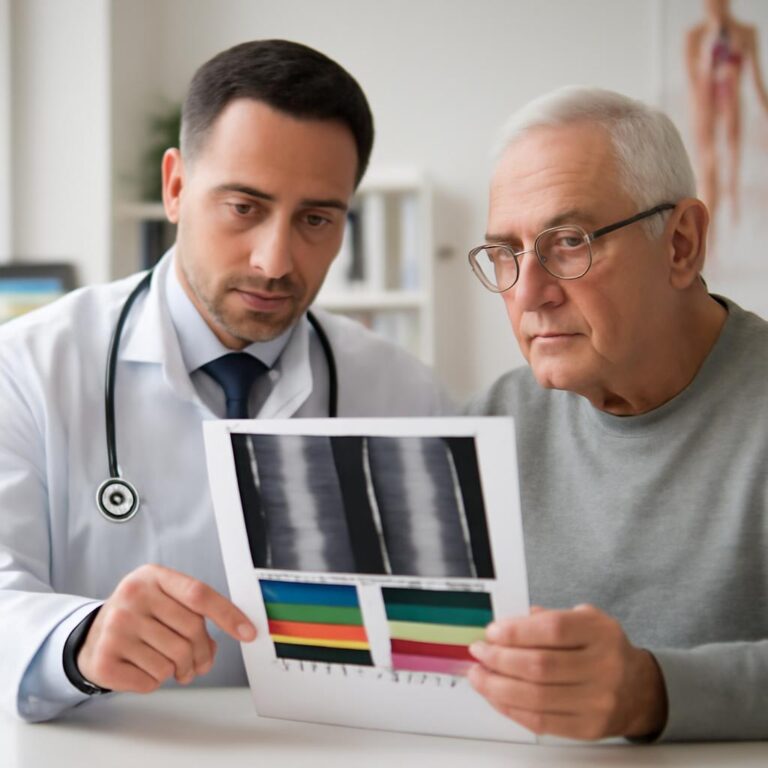
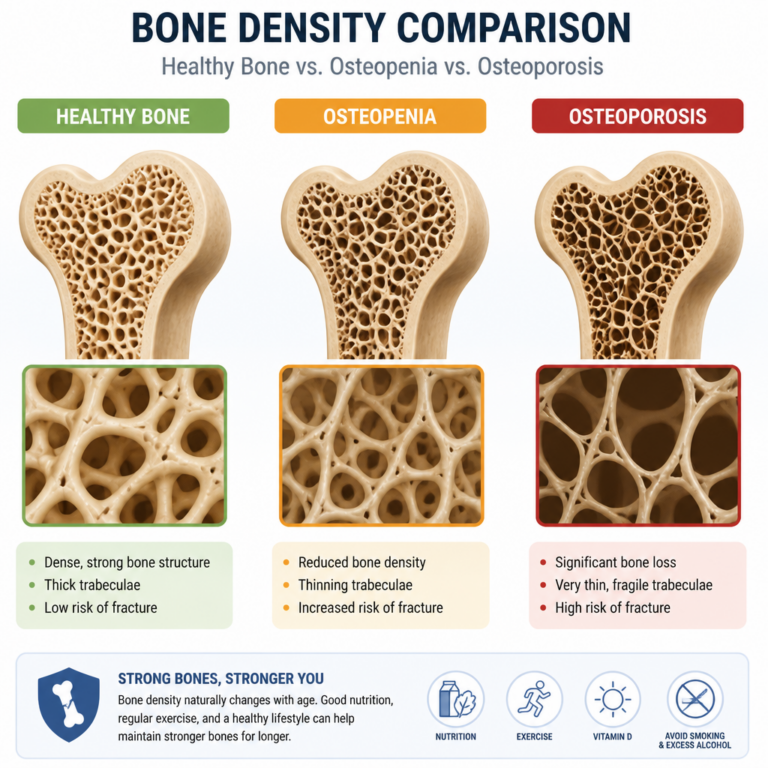
15) DEXA scan at age 65 for women, 70 for men — earlier with risk factors. 16) FRAX calculation every 2-3 years to track risk trajectory. 17) Annual lab panel including 25-hydroxyvitamin D, B12, calcium, magnesium. 18) Check for secondary causes if osteoporosis is unexpected (hyperparathyroidism, hyperthyroidism, hypogonadism, malabsorption). 19) Discuss osteoporosis medication with your physician if T-score is at or below -2.5 or you have had a fragility fracture.
Avoid these mistakes (20-25)
20) Do not stop denosumab without a transition plan. 21) Do not megadose calcium (above 1500 mg per day total) — cardiovascular risk rises. 22) Do not assume you have enough vitamin D without testing. 23) Do not rely on DEXA T-score alone if you have diabetes, kidney disease, or other secondary risk factors. 24) Do not begin high-impact exercise without progression and medical clearance if you have known osteoporosis. 25) Do not delay fall-prevention measures (home safety, vision care, medication review) — falls cause most fractures.
How to use this list
Pick three items you are not currently doing. Implement them. Re-read this list in 6 months. The cumulative effect of small consistent changes substantially outperforms aggressive but unsustainable interventions. Bone density is a multi-year project, not a 90-day fix. The patience pays off.
When to consult a specialist
Established osteoporosis with prior fracture. Recently diagnosed primary hyperparathyroidism. Long-term corticosteroid use. Pre-bariatric-surgery planning. Pregnancy-associated osteoporosis history. CKD stage 3 or worse. For these scenarios, an endocrinologist or rheumatologist with bone-disease expertise improves outcomes substantially.
Frequently asked questions
Where do I start?
Three priorities for almost everyone: adequate protein, adequate vitamin D, and consistent resistance training. The other items build on these three.
How long until I see results?
Bone turnover markers shift within 3-6 months. DEXA-detectable changes take 12-24 months. Functional improvements (balance, strength) come faster — within 6-12 weeks of starting resistance training.
Do supplements really help if I already eat well?
For most adults over 50, vitamin D supplementation is supported because skin synthesis declines and sun exposure varies. Other supplements (K2, magnesium, omega-3) help fill specific gaps but cannot substitute for food-based nutrition.
Is it ever too late to start?
No. Even in established osteoporosis with prior fractures, interventions reduce future fracture risk meaningfully. The earlier the better, but starting at 70 with osteoporosis still improves trajectory compared to no intervention.
Related reading: The Bone Density Solution review · Vitamin K2 and bone health