New Balance 928v3 for Osteoporosis: Does It Meet the Fall-Prevention Criteria?
Affiliate & medical disclosure: This article contains affiliate links. As an Amazon Associate I earn from qualifying purchases. If you buy through them we may earn a small commission at no extra cost to you. Product mentions are editorial choices based on the evidence described below, not paid placements. Read our affiliate disclosure.
The New Balance 928v3 is the shoe that gets recommended to older adults more than any other. Podiatrists suggest it, forums repeat it, and it appears near the top of every “best walking shoes for seniors” list ever published.
Almost none of those recommendations say why — or check the shoe against anything.
So that is what this is. We set out six footwear features that actually have fall-prevention research behind them. This article scores the 928v3 against all six, one at a time, and says plainly where it wins and where it does not.
What this is not: we have not worn this shoe. This is an assessment against published criteria using the manufacturer’s own specifications — not a wear test, and we are not going to pretend otherwise. If you want to know how it feels at mile four, this is the wrong article.
First, the question everyone is actually asking
What people are running into is that individual widths and colours go out of stock constantly, and the wider fittings go first. A sold-out 4E is not a discontinued shoe — but if you need a 4E, the practical difference is nil.
That distinction matters because the panic-buying advice you will see (“stock up before it disappears”) is based on a misreading. What is worth doing, if your width is in stock and it fits you, is not leaving it three months.
The scorecard
Six criteria, drawn from the research covered in our main footwear guide. Here is how the 928v3 does.
| Evidence-backed feature | 928v3 | Verdict |
|---|---|---|
| 1. A fastening | Laces, with a hook-and-loop version sold separately | Pass |
| 2. Firm heel counter | ROLLBAR stability post system, designed to control rear-foot movement | Pass |
| 3. Low heel (under 2.5 cm) | A cushioned walking shoe, not a raised heel | Pass |
| 4. Rubber outsole with tread | Rubber outsole | Pass |
| 5. Thin, firm midsole | ABZORB cushioning midsole — soft and substantial by design | Fails, and it is complicated |
| 6. Width that fits your actual foot | Multiple fittings from narrow to extra-wide, varying by model and gender | Pass, and this is its real strength |
Five out of six. Which is more than almost anything else on the market manages — most shoes fail on the fastening or the heel counter, and those are the two with the strongest real-world data behind them.
The one it fails, and why it might not matter
The 928v3 is built around ABZORB, a cushioning midsole. The CDC’s footwear guidance asks for the opposite: “thin, firm midsole to feel ground underneath”. In laboratory testing, thick soft soles produced the worst balance performance measured, and firm midsole material improved control on a beam where soft material impaired it.
On the face of it, that is a straightforward fail.
But the picture is genuinely more mixed, and we would be misleading you to leave it there. When researchers compared a supportive shoe against a minimalist one directly, in 20 women aged 66 to 82, they found no statistically significant difference in anything they measured — not sway, not tandem stance, not walking on uneven ground. What they did find was that 90% of the women felt more stable in the supportive shoe.
And a shoe you feel confident in is a shoe you walk in. Confidence changes behaviour, behaviour changes activity, and activity is what actually builds bone.
So the honest reading:
- If you walk confidently and your balance is good, the cushioning is not a reason to avoid this shoe. The evidence against it is laboratory evidence that did not replicate in the one head-to-head trial we have.
- If you shuffle, catch your feet, feel unsteady on uneven ground, or have neuropathy, the thin-and-firm argument has more behind it, and a less cushioned shoe is worth trying instead.
The feature that earns it the recommendation
Width. It is the least glamorous thing about this shoe and the reason it deserves its reputation.
Feet spread and lengthen with age. A great many people over 60 are walking around in shoes that are the right length and too narrow, and a shoe that squeezes changes how you load your foot and how you push off. The 928v3 comes in fittings from narrow through extra-wide, which almost nothing else in this category does.
If you have never had your feet measured for width as well as length, do that before you buy anything — including this. Shop in the afternoon, when your feet are at their largest.
The removable footbed is worth knowing about
The 928v3 ships with a removable PU foam footbed. That sounds like a detail and is not.
One trial found that arch fill specifically worsened balance — a standard arch-filled insole increased centre-of-pressure path length by 14%, and memory foam did the same. A soft flat insole with no arch fill worsened nothing.
A removable footbed means you can take the arch support out if a podiatrist has told you it is not helping you, or swap in your own orthotic without the shoe losing its heel hold. Shoes with glued-in footbeds do not give you that choice.
Who this shoe is for
Good fit if: you need a wide or narrow fitting and struggle to find one, you walk confidently, you want one shoe that ticks the fastening and heel-counter boxes without thinking about it, and $160 is a price you are willing to pay for footwear you will wear daily for two years.
Look elsewhere if: you feel unsteady and want less between your foot and the ground; your hands make laces difficult and the hook-and-loop version is not available in your width; or the price is the obstacle — in which case the Propet Stability Walker covers most of the same criteria at roughly half the money.
Check current sizes and widths — and check your width is in stock before you settle on it, because that is where availability usually breaks down.
What a shoe cannot do
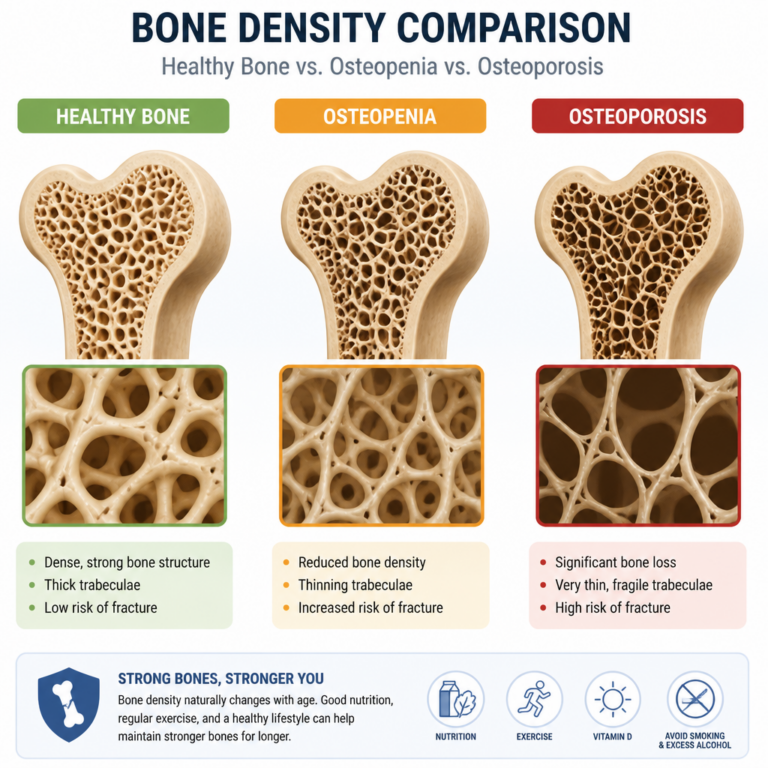
Worth saying plainly, because the marketing around footwear for older adults rarely does. No shoe changes bone density. Bone responds to load and impact, not to what sits between your foot and the floor.
A good shoe reduces the chance of a slip or a trip. That is worth having, and it is cheap. But it does nothing for the strength and balance that decide whether a stumble becomes a fall — and if you had to choose between a $160 shoe and twenty minutes of balance training three times a week, the training wins, and it is free.
If it is ice you are worried about rather than everyday walking, the one footwear intervention with a randomised trial behind it is a $23 strap-on traction device, not a shoe.
Common questions
Is the New Balance 928v3 discontinued?
No. It is still sold by New Balance at the time of writing. Individual widths and colours go out of stock frequently, and the wider fittings sell out first, which is where the rumour comes from.
What replaced the 928v2?
The 928v3 is the current generation in that line. If you wore a v2 and got on with it, the v3 is the direct continuation.
Is it good for plantar fasciitis or flat feet?
It is a motion-control shoe with a stability post, which is the category usually suggested for overpronation. Whether that suits your foot is a podiatry question, not a shopping one — and the removable footbed means you can fit your own orthotic if you have been prescribed one.
Does it qualify for Medicare as a diabetic shoe?
The 928v3 is not marketed with A5500 coding on New Balance’s own product pages. If Medicare coverage under the therapeutic shoe benefit is what you need, ask your supplier for a model that is specifically A5500-coded — several Propet, Dr. Comfort and Orthofeet models are.
Is $160 worth it?
It meets five of the six criteria that have evidence behind them, which is unusual, and it comes in widths almost nothing else does. If you need the width, it is defensible. If you do not, cheaper shoes meet the same criteria.
Men’s or women’s version — is there a difference?
They are built on different lasts and the width fittings offered differ between them. Check the specific fittings listed for the version you are buying rather than assuming they match.
Sources
- New Balance. 928v3 product specifications. newbalance.com
- Koepsell TD et al. Footwear style and risk of falls in older adults. J Am Geriatr Soc 2004;52(9):1495–1501. PubMed
- Menant JC et al. Optimizing footwear for older people at risk of falls. J Rehabil Res Dev 2008. PubMed
- Supportive versus minimalist footwear and balance in older women. J Foot Ankle Res 2023. JFAR
- Insole design and balance in diabetic peripheral neuropathy. J Foot Ankle Res 2016. JFAR
- CDC STEADI. Feet and Footwear for Older Adults. CDC (PDF)
How we assessed this: we have not worn this shoe. This article scores the manufacturer’s published specifications against the six footwear features identified in the fall-prevention research cited above. We have not measured heel height, sole hardness or tread depth ourselves, and where a specification comes from New Balance rather than independent testing we have said so. Prices and availability are approximate at the time of writing and change constantly. Nothing here is medical advice: if you have osteoporosis, neuropathy, foot pain or a history of falls, discuss footwear with your doctor or podiatrist. Read our affiliate disclosure, medical disclaimer and editorial policy.