Weight-Bearing Exercise After 50: The Routines That Actually Build Bone
If you read the standard advice — “walk for 30 minutes most days” — and stop there, you are doing the most popular but least effective version of weight-bearing exercise for bone density. The published trials that produced meaningful T-score improvements all used something more specific.
What the bone trials actually used
The LIFTMOR trial and its follow-ups in post-menopausal women used:
- Heavy resistance training (deadlift, overhead press, back squat) at 80%+ of one-rep max
- Impact loading (jumps, stomps, drop landings)
- 2 sessions per week, 30 minutes each
- 8 months of supervised progression
The result: roughly 3% femoral neck T-score improvement vs control, plus significant strength and balance gains. That is on the same order of magnitude as some pharmaceutical treatments.
The hierarchy of weight-bearing exercise for bone
- High-impact: jumping, stomping, plyometrics. The largest local bone-loading signal. Best for hip and spine.
- Heavy resistance training: barbell or weighted-vest exercises at 80%+ of capacity. Loads bone and muscle simultaneously.
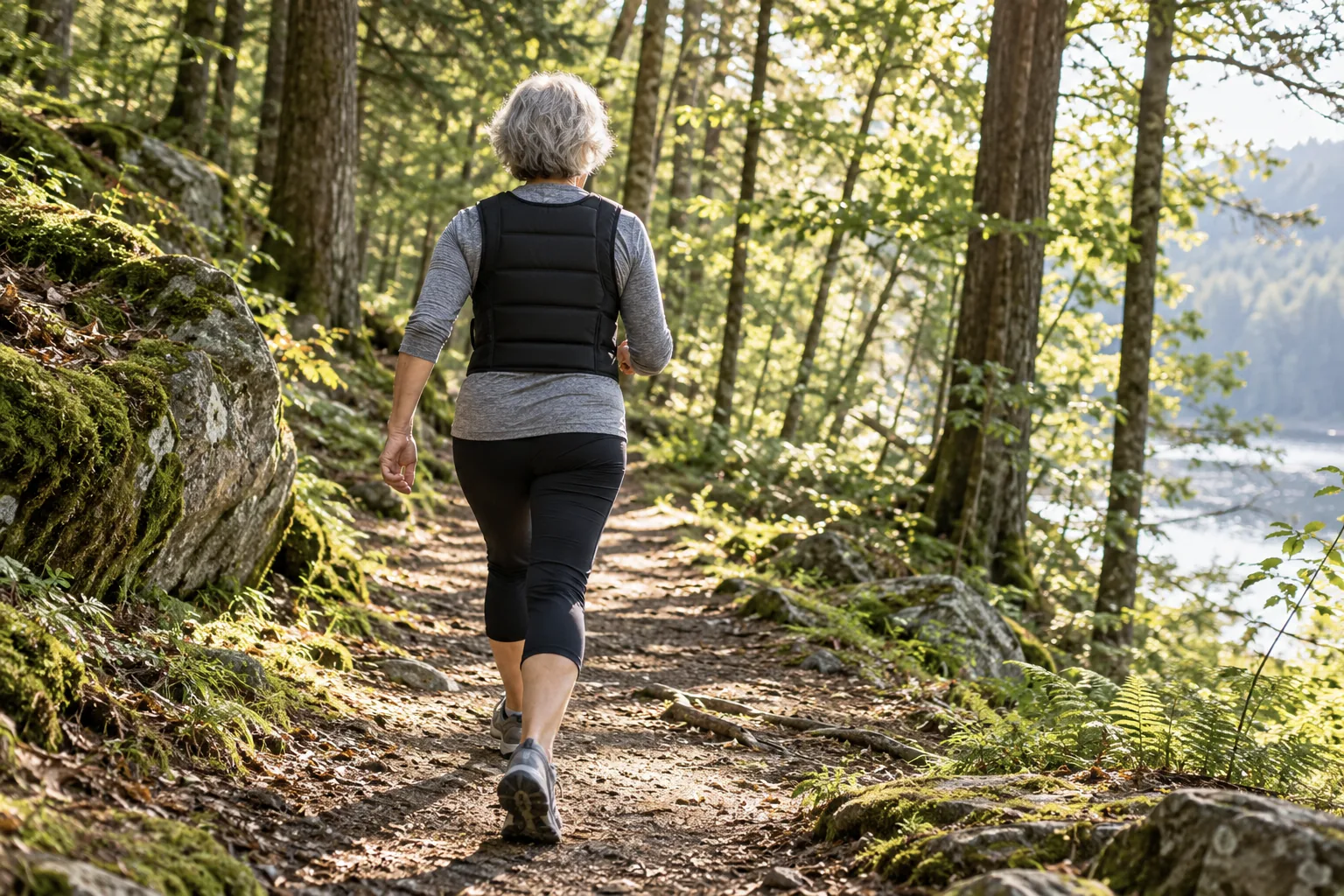
- Brisk walking with weighted vest: 4-5 kg of added load, walking 30+ minutes 4 times a week. Moderate but accessible.
- Brisk walking without load: maintains rather than builds. Better than nothing but rarely produces measurable T-score changes.
- Yoga, pilates, swimming, cycling: poor bone-loading. Excellent for balance, flexibility, cardio. Not the bone lever.
How to start if you are out of practice
The biggest practical mistake is jumping to category 1 or 2 from a sedentary baseline. If you would rather follow a ready-made progression than assemble your own, it is worth seeing how the Bone Density Solution sequences its exercise plan. Otherwise, ramp like this:
- Weeks 1-4: brisk walking 30 min, 4x/week. Optional weighted vest at 2-3 kg.
- Weeks 5-8: add bodyweight resistance work (squats, step-ups, push-ups) 2x/week.
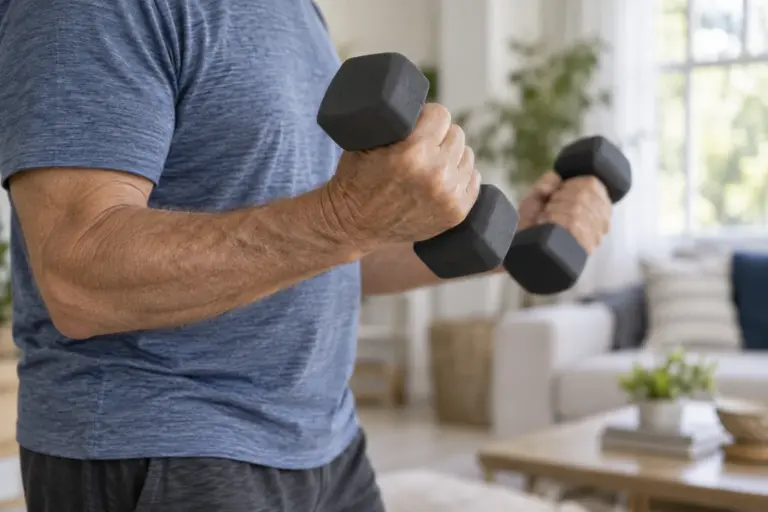
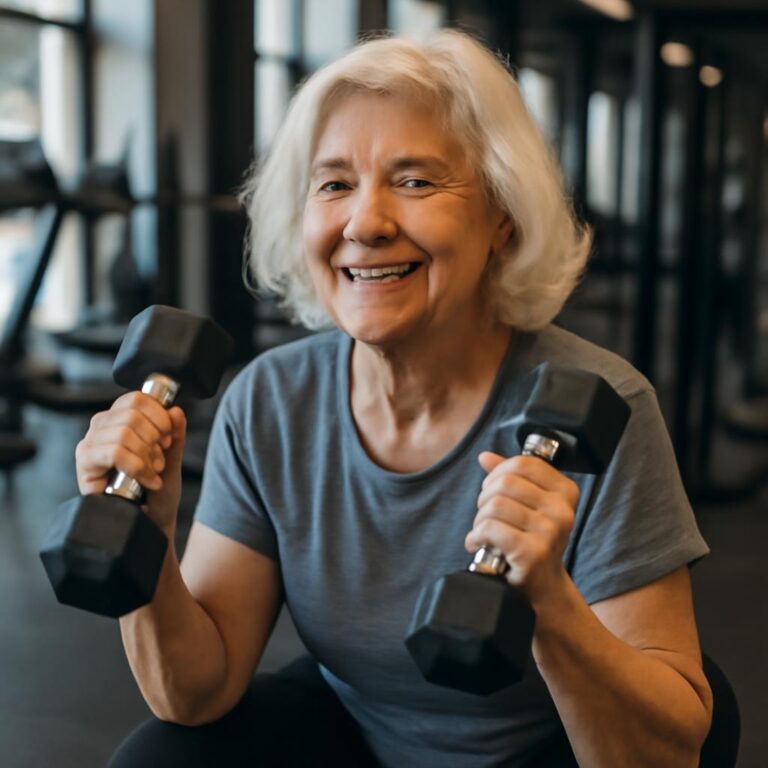
- Weeks 9-16: introduce dumbbells or a barbell for resistance work, learn form with a coach for 2-3 sessions if possible.
- Months 4+: start adding impact work — drop landings, mini-jumps, stomps. Build to LIFTMOR-style 2x/week.
What about fall prevention?
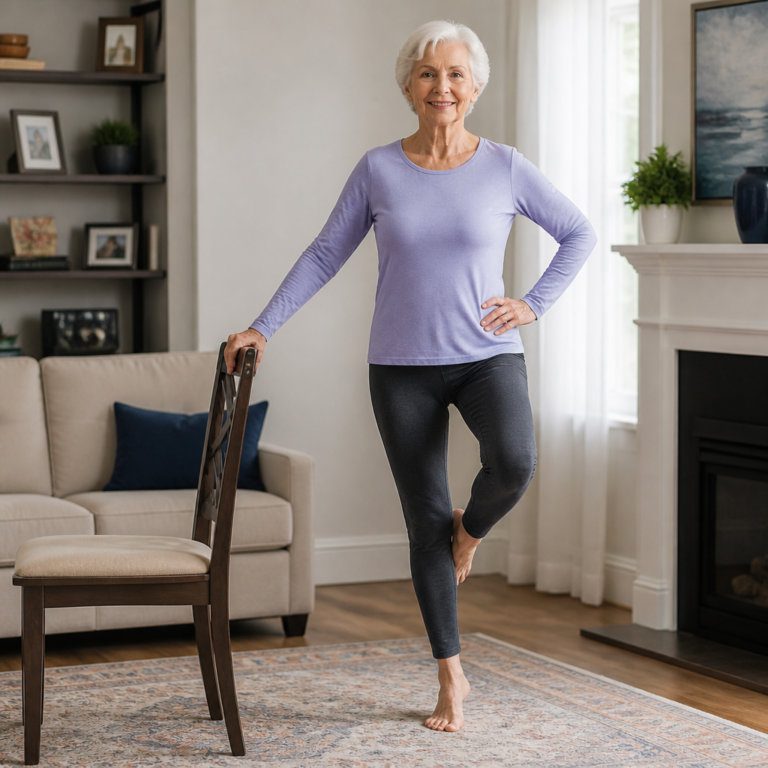
Fall prevention is essential and is sometimes used as a reason to avoid impact and resistance work. The published evidence supports the opposite: structured resistance + impact work reduces fall risk over time because it builds the muscle and balance that prevent falls. The cautious approach is form coaching, not avoidance.
FAQ
Can I do this with osteoporosis already?
Yes, with appropriate progression and avoiding spinal flexion under load. The MEDEX-OP and Onero programs were specifically designed for women with established osteoporosis and showed bone gains without fractures.
How long until I see changes on DEXA?
12-18 months minimum for measurable T-score changes. Subjective changes (strength, energy, balance) typically show up at 8-10 weeks.
What if I cannot tolerate impact?
Heavy resistance training without impact still produces meaningful gains, particularly at hip and spine. Joint-friendly exercises like leg press and Romanian deadlift load bone heavily without the impact component.