Can Dehydration Affect Your Bones?
Disclosure: This article contains affiliate links. We may earn a small commission if you purchase through our links, at no extra cost to you.
When people think about bone health, they think about minerals — calcium, vitamin D, magnesium. Water doesn’t usually enter the conversation. But bone is not just mineral and protein — it’s approximately 31% water by volume, concentrated primarily in the organic matrix. And hydration influences bone health in several ways that deserve attention, particularly for older adults.
Water’s Role in Bone
Water in bone serves several functions: it helps maintain the viscoelastic properties of the collagen matrix (the flexibility that prevents brittleness), facilitates the transport of nutrients to bone cells and removal of metabolic waste, and supports the fluid environment needed for the enzymatic processes involved in bone remodeling. Research suggests that dehydration reduces the toughness and flexibility of bone tissue, potentially increasing fracture susceptibility.
Hydration and Mineral Transport
Adequate hydration supports efficient kidney function and mineral regulation. The kidneys regulate calcium excretion — chronic low fluid intake can increase calcium concentration in urine, raising kidney stone risk and potentially reducing calcium available for bone. Staying well hydrated supports calcium retention and healthy mineral metabolism.
Dehydration and Fall Risk
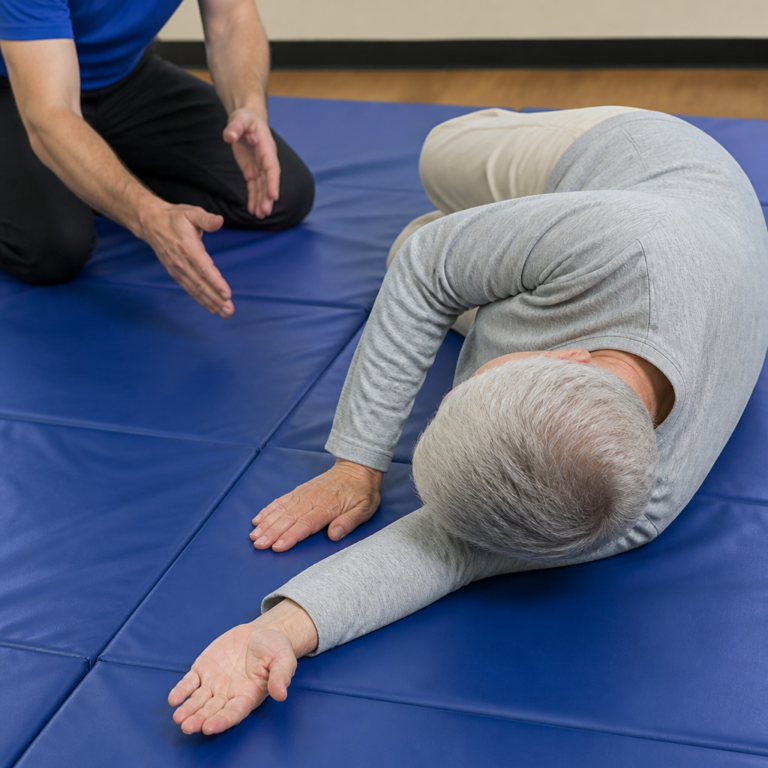
This is perhaps the most immediately practical connection. Even mild dehydration impairs cognitive function, balance, and coordination — all of which contribute to fall risk. For older adults with osteoporosis, a fall from standing height can cause a serious fracture. Staying hydrated is therefore a fall prevention strategy as much as a bone health one.
How Much Water Do You Need?
General guidance: approximately 8 cups (2 litres) per day for women and slightly more for men, adjusted upward for exercise, heat, and illness. Older adults frequently under-hydrate because thirst sensation diminishes with age — making deliberate hydration habits more important than relying on thirst alone.
Practical habits: a glass of water first thing in the morning, water with every meal and supplement dose, and a bottle kept visible throughout the day all support consistent hydration.
For a complete daily bone health program, The Bone Density Solution integrates lifestyle habits for adults over 50.
Related articles:
The Best Morning Routine for Bone Health
Osteoporosis Prevention: Habits That Make a Difference
Sources and Further Reading
- NIAMS — Bone Health and Osteoporosis
- Bone Health & Osteoporosis Foundation
- Harvard Health — Bone Health for Life
This article is for educational purposes only and does not replace advice from a qualified healthcare professional.