
Best Shoes for Osteoporosis and Fall Prevention After 50
Here is something none of the shoe round-ups will tell you: no major clinical guideline recommends a specific shoe for fall prevention. Britain’s NICE guidance on falls mentions footwear exactly once, in passing, and its 2025 update does not mention it at all. The CDC’s own footwear fact sheet gives sensible advice and cites not a single study to support it.
And the only footwear intervention that has ever reduced falls in a randomised controlled trial? A strap-on ice grip that costs about $22.
That is not a reason to give up on the question. Footwear is one of the few fall-risk factors you can change this afternoon, for less than the cost of a physiotherapy session. But it does mean you should be sceptical of anyone ranking ten shoes and calling them clinically proven. What follows is what the research genuinely supports, what it does not, and which shoes actually match the evidence.
The single most important finding
In 2004, Koepsell and colleagues followed 1,371 adults over 65 for two years, then compared 327 people who fell against 327 matched controls. The finding that matters:
Every other shoe style, taken together, came out at 1.3 versus athletic shoes — which was not statistically significant.
Two honest caveats, because they matter. First, that 11.2 comes with a confidence interval running from 2.4 to 51.8. That range is enormous. The direction is clear; the magnitude is not. Do not let anyone tell you bare feet make you “eleven times more likely to fall” as though that were a solid number.
Second, and worth knowing if you have been reading around this topic: several health websites report this finding as an “11 percent” increase in fall risk. That is a misreading of the odds ratio, and it has been copied from site to site. An odds ratio of 11.2 and an 11% increase are not remotely the same claim.
The practical takeaway is simpler than the statistics: the biggest footwear mistake is wearing nothing at all.
Indoors is where this actually matters
Most falls happen at home, and the data on what people are wearing when they fall is unusually clear.
A 2024 study analysed real video footage of 300 falls in residential aged care. Of the falls where footwear could be identified: 45% happened in slippers or sandals, 44% in shoes, 8% in socks, and 3% barefoot.
But the revealing number is how often the footwear was judged to have contributed to the fall:
| What they were wearing | Footwear judged to have contributed |
|---|---|
| Socks | 74% |
| Barefoot | 33% |
| Slippers or sandals | 17% |
| Shoes | 7% |
Socks were also specifically associated with falling backwards, which is the direction most likely to end in a hip or wrist fracture.
A separate study of 95 people admitted with hip fracture after a fall found 22% were wearing slippers at the time, and that 75% were in footwear with at least one clearly suboptimal feature. The commonest was no fastening at all — present in 63% of cases. People who tripped were nearly three times more likely to be in unfastened footwear (odds ratio 2.93).
The six features that actually have evidence behind them
1. A fastening. Laces, a strap, or Velcro. This is the feature with the strongest real-world data, and it is the one most commonly missing. If you can step into it without using your hands, it probably cannot hold your foot.
2. A firm heel counter. Squeeze the back of the shoe between thumb and finger. If it collapses, the shoe cannot control your heel. The CDC lists this explicitly. Note that firm heel counters and hands-free entry are in direct tension — more on that below.
3. A low heel. Above 2.5 cm, fall risk roughly doubles (odds ratio 1.9). At 4.5 cm, postural sway measurably increases in over-70s. At 6 cm, balance is worse than barefoot. The consensus lands at under 2.5 cm, with 4 cm as an absolute ceiling.
4. Tread, and a bevelled heel. Grooves of roughly 1–5 mm depth improve grip on wet floors and on detergent. A heel bevelled at around 10 degrees improves slip resistance. Rubber outperforms synthetic soles when wet. One honest limitation: no tread pattern tested has worked on oil.
5. A thin, firm midsole. This is the contested one, and it gets its own section below.
6. A toe box wide enough for your actual foot. Feet spread and lengthen with age. Get measured for length and width, and shop in the afternoon when your feet are at their largest.
The cushioning question, answered honestly
You will see two contradictory recommendations everywhere: maximum cushioning for comfort and joint protection, or minimal shoes so you can feel the ground. Both camps claim to be evidence-based. Here is where the research actually sits.
The case for thin and firm. In laboratory testing, a sole 27 mm thick at the heel and 16 mm at the forefoot, made of soft material, produced the worst balance performance tested — particularly in older men. A thinner sole (13 mm / 6.5 mm) performed better. Soft midsole material (Shore A-15) impaired balance on a beam; firm material (Shore A-58) improved control. The CDC’s guidance is unambiguous: “thin, firm midsole to feel ground underneath”.
The case against overstating it. When researchers directly compared a supportive shoe against a minimalist one in 20 women aged 66 to 82, they found no statistically significant difference in anything — not postural sway with eyes open, not on foam, not eyes closed on foam, not tandem stance, not treadmill walking, not walking on uneven ground. What they did find was that 90% of the women felt more stable in the supportive shoe.
Meanwhile a separate trial found that soft insoles were not the problem at all — arch fill was. A standard arch-filled insole worsened balance measurably (14% increase in centre-of-pressure path length), and memory foam did the same. A soft flat insole with no arch fill worsened nothing.
So: if you walk confidently in cushioned shoes, there is no good evidence for taking them away from you. If you shuffle, catch your feet, have neuropathy, or feel unsteady on uneven ground, the thin-and-firm advice has more behind it and is worth trying. Anyone who tells you one answer fits everyone is going beyond the data.
What to actually buy
Prices are approximate at the time of writing and change constantly. Check before you buy. Some links on this site are affiliate links.
Everyday walking
New Balance 928v3 — around $160. The most-recommended shoe in this category, and for defensible reasons: five width fittings (B through 6E), rubber outsole, a reinforced heel counter, and a choice of laces or Velcro. It meets five of the six evidence-backed criteria at once, which almost nothing else in this list manages. We scored it feature by feature in a separate assessment of the 928v3, including the one criterion it fails and whether that matters.
Propet Stability Walker — around $88. Five widths, laces, rubber outsole, internal and external heel counters. It also carries HCPCS code A5500, which means it can qualify as a therapeutic shoe under Medicare if you have diabetes and meet the criteria. The best value of the serious options.
Wide feet, bunions, or swelling
Orthofeet Alamo — around $110. Twin adjustable Velcro straps and an unusually wide opening, which matters more than it sounds if your feet swell through the day or your hands struggle with laces. Extra depth with removable spacers so the shoe still holds your heel when you use your own insole. Carries the APMA Seal of Acceptance. Sixty-day trial with free returns.
Adjustable straps beat laces when swelling fluctuates, because you can re-tension them at 4pm without sitting down and starting over.
Wet weather and slippery floors
HOKA Bondi SR — around $180. Water-resistant leather, full-contact rubber outsole built for hospital and hospitality floors, 6 mm drop. Worth naming the tension openly: this is a maximum-cushion shoe, so it sits on the wrong side of the thin-and-firm argument above. If your balance is good and your priority is grip on wet floors, that trade is probably worth making. If you are unsteady, it probably is not.
Ice and snow — the one thing with a trial behind it
Yaktrax Walk — around $22. Steel coils on an elastomer band that stretch over whatever shoe you already own.
This is the only footwear intervention in this entire article backed by a randomised controlled trial. In 109 participants, it reduced the rate of outdoor winter falls by 58% (rate ratio 0.42). Cochrane includes it in its falls review. We went through that trial and the Walk vs Plus vs Pro question in detail — the cheapest model is the one the evidence actually tested.
Take them off the moment you step inside. Steel coils on a hard indoor floor are genuinely dangerous — you would be trading a small outdoor risk for a large indoor one.
Neuropathy or reduced sensation
Look at Medicare-eligible therapeutic shoes (Propet, Dr. Comfort, Orthofeet all make A5500-coded models).
And one specific, counterintuitive finding worth acting on: in people with diabetic neuropathy, a textured insole cover improved balance by around 8% — including in people with severe sensory loss. The same study found that arch-filled and memory-foam insoles made balance worse. If you have neuropathy and you are using a cushioned arch-support insole because it feels comfortable, that is worth raising with your podiatrist.
Those barefoot slip-on shoes you keep seeing advertised
Hands-free “barefoot” shoes are advertised heavily to people over 50 — HF Stride, Kizik, Skechers Slip-ins and others. The pitch is that you never have to bend down. For anyone with a bad back or arthritic hands, that is a real benefit and worth taking seriously.
Judged against the evidence, they split cleanly:
What they get right: wide toe boxes and thin, flexible soles both align with the research above.
Where the problem is: hands-free entry requires a heel counter that yields when you step into it. The evidence asks for a heel counter that does not yield. And most of these brands publish nothing at all about sole material, tread depth, or slip resistance — the features with the strongest data behind them. Remember that unfastened footwear was involved in 63% of hip-fracture falls in the study above.
There is also a transition issue that the advertising skips: moving from a cushioned heel-raised shoe to a zero-drop one changes how your calf and Achilles load. That transition needs weeks, and it is harder the older and more sedentary you are.
None of that makes them unsafe for everyone. If you are steady on your feet and struggle to reach your laces, a hands-free shoe you actually wear beats a perfect shoe you leave in the cupboard. But it is not the fall-prevention upgrade the marketing implies, and you should know which trade you are making.
The 10-second test most people never do
Turn your everyday shoes over and look at the sole.
Around 90% of older adults’ shoes show sole wear, and worn tread does more than lose grip — it raises fluid pressure at the contact point on wet floors, which is the mechanism behind most slips. If the tread pattern under the ball of your foot or the outer heel has gone smooth, the shoe has stopped doing the job you bought it for, however comfortable it still feels.
Comfort is the last thing to go. That is exactly why worn shoes stay in service.
The shoe the research would design, and why you cannot buy it
In 2017, researchers built a prototype to the exact specifications the evidence supports: Shore A55 midsole, 25 mm heel / 18 mm forefoot, 10-degree heel bevel, high collar, laces plus Velcro, specified tread groove dimensions, a textured insole, 310–360 g.
Tested on 30 women aged 65 to 83, it significantly improved tandem walking and reduced end sway. It did not improve standard postural sway or gait measures.
And only 60% of the participants said they would wear it, on grounds of appearance.
That number is the honest heart of this whole subject. The optimal shoe is not sold in shops, and if it were, four in ten people would refuse it. The realistic goal is not the perfect shoe. It is a shoe that meets most of the criteria and that you will genuinely put on every day.
Footwear to replace, starting today
- Socks on hard floors — the worst option in the data, by a wide margin
- Backless slippers, mules and clogs — no fastening, no heel control
- Flip-flops — require you to grip with your toes to keep them on, which changes how you walk
- Heels above 2.5 cm for anything involving stairs or distance
- Smooth leather or synthetic soles, especially on tile or laminate
- Anything with the tread worn smooth, however comfortable
Where footwear sits in the bigger picture
Shoes reduce the chance of a fall. They do not make bone stronger, and they do very little for the strength and balance that stop a stumble becoming a fall in the first place. Footwear is the cheapest lever, not the biggest one.
The larger levers are loading your bones through exercise, training balance directly, and eating enough protein. It is also worth knowing how to fall, because some falls are going to happen regardless of what is on your feet.
If you would rather follow those larger levers as one structured plan than assemble them yourself, we went through one such programme in detail — including where its marketing overstates what it can do.
Common questions
Are trainers really better than proper shoes?
In the Koepsell data, athletic and canvas shoes were the reference category with the lowest fall risk — but the difference against other shoe styles was not statistically significant. What was significant was the gap against bare or stockinged feet. A well-fastened shoe with a firm heel and a rubber sole is what matters; whether it looks sporty is secondary.
Should I wear shoes indoors?
The evidence points that way, yes. If you find that unappealing, the compromise is a dedicated indoor pair kept by the door — clean soles, never worn outside. What the data really argues against is socks on hard floors.
Do I need custom orthotics?
Not for balance alone. A multifaceted podiatry intervention did reduce the rate of falls in people with disabling foot pain, so if your feet hurt, that is a genuine reason to see a podiatrist. But an off-the-shelf arch-support insole bought for stability may work against you — the arch fill itself measurably worsened balance in the trial cited above.
Are barefoot shoes good for bone density?
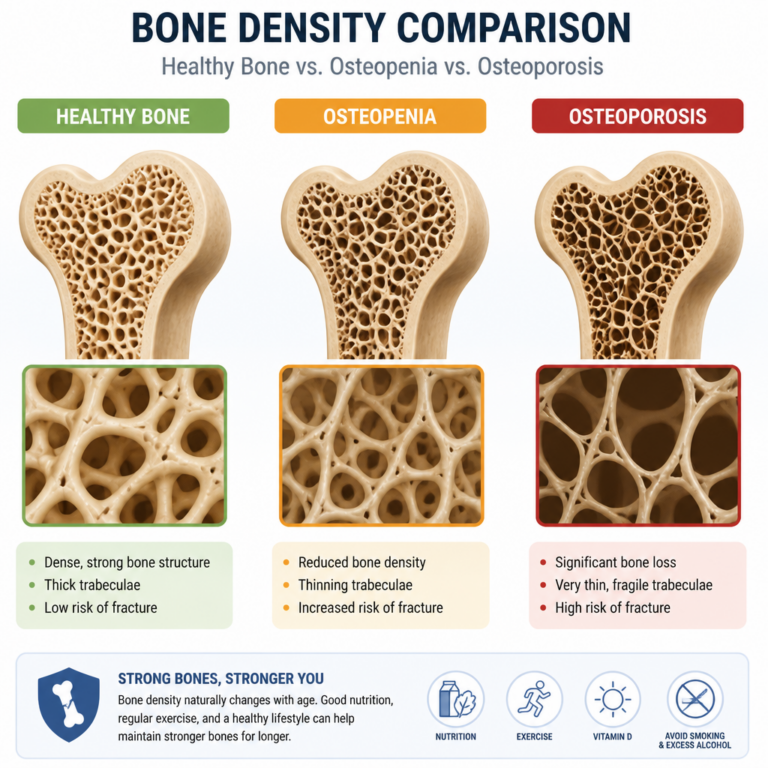
There is no evidence that footwear of any kind changes bone density. Bone responds to load and impact, not to what is between your foot and the floor. The claim that minimalist shoes strengthen bone is an extrapolation, not a finding.
How often should I replace them?
Judge by the sole, not the calendar or the comfort. When the tread has gone smooth where you land, replace them.
Sources
- Koepsell TD et al. Footwear style and risk of falls in older adults. J Am Geriatr Soc 2004;52(9):1495–1501. PubMed
- Menant JC et al. Optimizing footwear for older people at risk of falls. J Rehabil Res Dev 2008. PubMed
- Sherrington C, Menz HB. An evaluation of footwear worn at the time of fall-related hip fracture. Age and Ageing 2003;32(3):310–314. Age and Ageing
- Footwear and falls in long-term residential aged care: video analysis. Gerontology 2024;70(6):611. Karger
- Menz HB et al. Effectiveness of footwear designed to enhance balance. BMC Geriatrics 2017. BMC Geriatrics
- Supportive versus minimalist footwear and balance in older women. J Foot Ankle Res 2023. JFAR
- Insole design and balance in diabetic peripheral neuropathy. J Foot Ankle Res 2016. JFAR
- McKiernan FE. A simple gait-stabilizing device reduces outdoor falls in winter. Arch Phys Med Rehabil 2005. PubMed
- Gillespie LD et al. Interventions for preventing falls in older people living in the community. Cochrane. Cochrane
- CDC STEADI. Feet and Footwear for Older Adults. CDC (PDF)
- NICE. Falls in older people: assessing risk and prevention (CG161). NICE
Affiliate & medical disclosure: This article contains affiliate links. As an Amazon Associate I earn from qualifying purchases. If you buy through them we may earn a small commission at no extra cost to you. Product mentions are editorial choices based on the evidence described above, not paid placements. Nothing here is medical advice: if you have osteoporosis, neuropathy, foot pain or a history of falls, discuss footwear with your doctor or podiatrist. Read our affiliate disclosure, medical disclaimer and editorial policy.
How we reviewed this (updated 16 October 2026): this page is based on the vendor’s official information, pricing and policies and on public user feedback. We have not hands-on tested the products listed.