How Many Steps a Day for Bone Health? (Not 10,000)
Disclosure: This article contains affiliate links. We may earn a small commission if you purchase through our links, at no extra cost to you.
The 10,000 steps per day goal has become ubiquitous — appearing on fitness trackers, health apps, and doctor advice alike. But where did this number come from, what does the research actually say about steps and bone health, and is 10,000 steps the right target for bone density specifically?
The Origin of 10,000 Steps
The 10,000 steps target originated from a 1960s Japanese marketing campaign for a pedometer — not from scientific research. It became a cultural norm rather than an evidence-based recommendation. The actual research on step counts and health outcomes tells a more nuanced story.
What the Research Shows About Steps and Bone Health
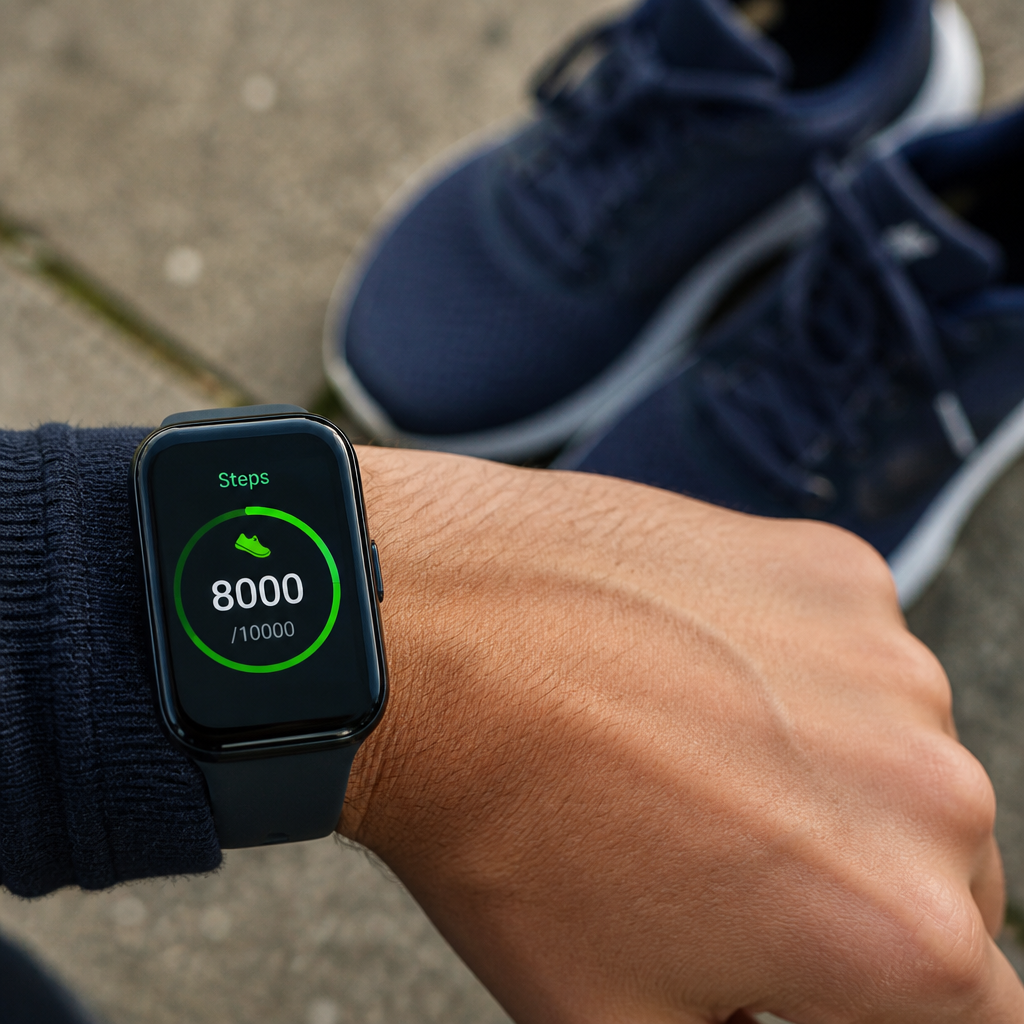
Studies on step counts and bone density show a consistent pattern: more steps are associated with better bone mineral density up to a certain point, with diminishing returns at very high step counts. The most meaningful threshold appears to be around 7,000–8,000 steps per day for general health benefits including bone outcomes.
A study in JAMA Network Open found that mortality risk dropped significantly going from fewer than 4,000 steps to 7,000–8,000 steps per day, with less additional benefit above 10,000 steps. For bone specifically, the relationship follows a similar pattern — the jump from sedentary (under 4,000 steps) to moderately active (7,000–8,000 steps) provides the greatest bone health benefit.
Quality Matters as Much as Quantity
Not all steps are equal for bone health. A brisk 30-minute walk provides more bone-loading benefit than an equal number of steps taken slowly over the day during routine activities, because the ground reaction forces at brisk walking speeds are higher. Including some faster walking, incline walking, or brief intervals of jogging (if appropriate) within your step count amplifies the bone stimulus significantly.
Steps Are Not a Substitute for Resistance Training
This is an important point. Walking loads the hips and spine through body weight, but it doesn’t apply the targeted tensile forces to specific bones that resistance training does. Step counting is a useful metric for overall activity, but it shouldn’t replace deliberate resistance exercise 2–3 days per week for people focused on bone density.
Practical Target
For bone health: aim for 7,000–10,000 steps per day at a moderate to brisk pace, including some varied terrain when possible. Add deliberate resistance training and balance work as separate components. If you’re currently sedentary, even getting from 2,000–3,000 steps to 6,000–7,000 steps provides very significant bone health benefits.
For a complete structured bone health program, The Bone Density Solution provides daily guidance for adults over 50.
Related articles:
Walking for Bone Health: How Much Do You Need?
7 Best Exercises to Improve Bone Density After 50
Strength Training After 50
Who Should Be Careful About Step Count Goals
Walking is safe for most people, but setting step targets should be done sensibly:
- Those recovering from a lower limb fracture or surgery should follow their physiotherapist’s guidance on how much walking is appropriate
- People with significant joint pain, peripheral neuropathy, or balance problems should focus on quality of movement over hitting a number
- Anyone with cardiovascular conditions should discuss activity levels with their GP before significantly increasing daily steps
- Sudden large increases in step count can cause overuse injuries — increase gradually, especially if you have been largely sedentary
Step count goals are a helpful motivational tool, but they are not the whole picture. If walking causes pain or discomfort, speak with your doctor or physiotherapist before continuing.
Sources and Further Reading
- BHOF — Exercise and Safe Movement
- CDC STEADI — Fall Prevention for Older Adults
- Mayo Clinic — Osteoporosis and Exercise
This article is for educational purposes only. Always consult a qualified healthcare professional before starting a new exercise programme, especially if you have osteoporosis, a history of fractures or balance difficulties.