Low BMI and Bone Density: The Underweight Risk No One Talks About
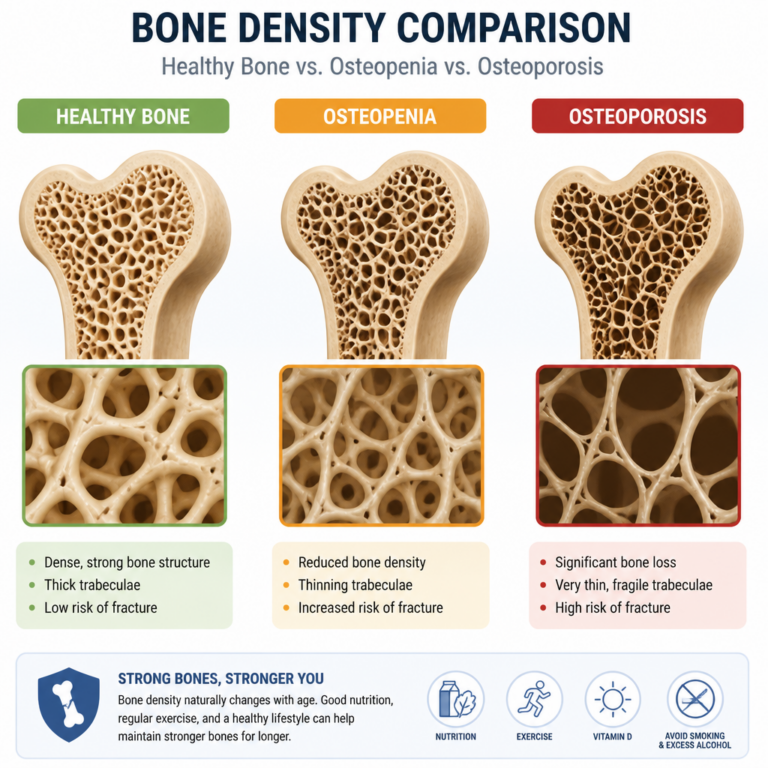
In a culture that tends to treat lower weight as universally healthier, the bone-health picture is more nuanced. A BMI under 20 is associated with significantly increased fracture risk; under 18.5 dramatically increases it. The risk is independent of age, calcium intake, and even hormone status. It is one of the single strongest predictors in the FRAX algorithm — and yet rarely discussed at a typical primary care visit.
What the threshold numbers are
In the FRAX calculator and in major epidemiological data: BMI 25 carries baseline risk. BMI 22 increases hip fracture risk by roughly 10%. BMI 20 increases it 25-30%. BMI 18.5 nearly doubles it. BMI 17 or lower triples it. The relationship is steep below 20 and shallow above 25.
Why low body weight breaks bone faster
Three reasons converge. First, less mechanical loading on the skeleton — the body adapts to the loads it receives. Second, less soft-tissue padding around the hip, so a sideways fall transmits more force directly to the greater trochanter. Third, often lower estrogen, lower protein intake, and lower calcium intake correlate with low body weight, particularly in older women.
The hip-protection geometry
About one third of the protective effect of higher BMI on hip fracture is mechanical: literally the fat over the trochanter absorbs falls. The other two-thirds is hormonal and nutritional. This is why hip protectors (foam-padded undergarments) reduce hip fracture risk in nursing-home populations who have lost that subcutaneous padding.
When low BMI is a signal of something else
Particularly after age 60, persistent low or declining BMI can indicate undertreated chronic disease, depression, dental issues that limit eating, hyperthyroidism, malabsorption (coeliac, IBD), or simply social isolation. Each of those has independent effects on bone. The weight number is sometimes the most visible symptom of a more complicated picture.
What to do if your BMI is under 22 after 50
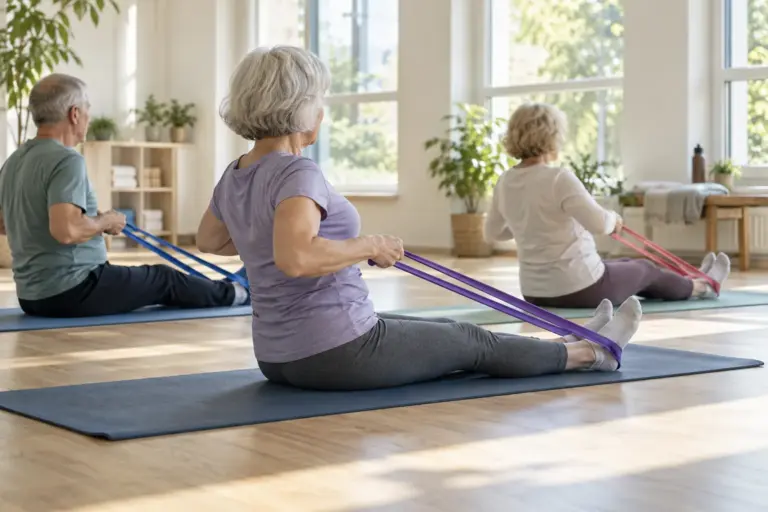
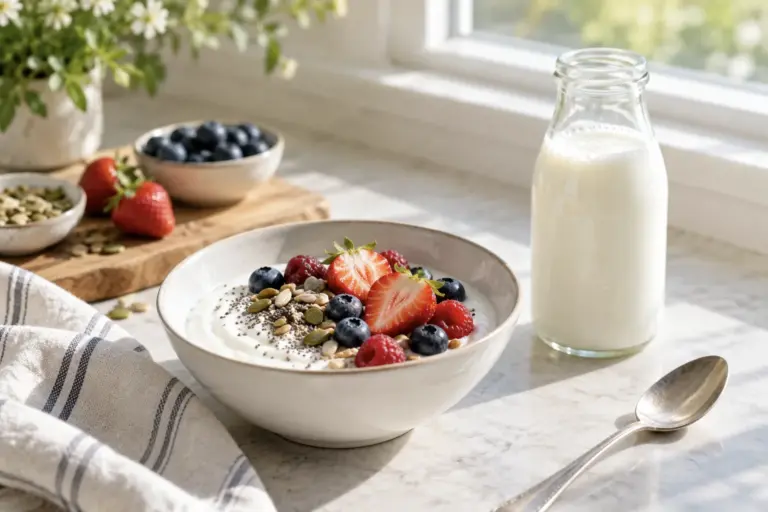
Three priorities. First, raise protein intake to 1.2-1.5 g/kg per day — most underweight older adults are protein-undernourished. Second, prioritize resistance training over cardio — muscle drives bone density and is the most modifiable factor. Third, check 25-hydroxyvitamin D, B12, and thyroid panel — common contributors to weight loss that are easy to fix.
What not to do
Do not aim for higher weight via processed-calorie loading. Pure caloric gain without protein and resistance training adds fat without improving bone or muscle. Targeted nutrition with resistance training is the path, and if you would rather follow a ready-made plan than assemble one, we assessed a structured nutrition-and-training programme aimed at exactly this situation. A registered dietitian who works with older adults is worth the visit.
Frequently asked questions
Is BMI 21 risky for bones?
Mildly. The fracture-risk curve starts to rise meaningfully below 22. At 21 the risk is modestly elevated; below 20 it becomes clinically significant.
Does muscle mass matter more than BMI?
Yes. Lean body mass index and grip strength predict bone outcomes better than BMI alone. Two people at BMI 22 with very different muscle compositions have very different bone risks.
Should I gain weight for my bones?
Not necessarily — but gaining muscle and strength while maintaining a healthy body composition is almost always beneficial for bone after 50.
Does BMI matter as much in men?
Yes — the relationship is similar in older men, although the absolute fracture rates are lower than in women.