Spinach, Kale and “Anti-Nutrients”: Do Oxalates and Phytates Harm Your Bones?
Short answer: you do not need to avoid beans, whole grains or leafy greens for your bones. Oxalates and phytates do reduce how much calcium you absorb from the same food, which is why spinach is a poor calcium source and kale is a good one. But that is a reason to choose your greens, not to cut plants out.
What these compounds are
Oxalates (in spinach, rhubarb, beet greens, Swiss chard) and phytates (in whole grains, beans, nuts, seeds) are plant compounds that can bind minerals in the gut. The worry is that binding calcium means less reaches your bones. The real question is how big the effect is in people.
Spinach versus kale: the absorption numbers
A small study measured how much calcium women absorbed from kale labelled with calcium isotopes, compared with milk (Heaney and Weaver 1990). Fractional absorption was about 41% from kale and 32% from milk, with a 300 mg test load in 11 women. The authors contrasted this with the poor absorption previously reported for spinach calcium, and explained it by kale’s low oxalate content. A broader review by Weaver found that most vegetable sources are absorbed as well as or better than dairy unless they are high in oxalic acid (spinach is the example) or phytic acid (wheat bran is the example) (Weaver 1992). She also noted that few vegetables are concentrated calcium sources, so reaching your calcium target from plants alone takes planning.
That is why calcium tables that list spinach at about 240 mg a cup can mislead: much of that calcium stays bound to oxalate. Greens that are low in oxalate, such as kale, bok choy and collards, are the better choices if calcium is your goal. Spinach is still a good food for other nutrients; just do not count it toward your calcium.
Phytates: harmful, or protective?
Some diets tell you to avoid phytates for bone. The human data we found point the other way. A Spanish study of 157 postmenopausal women measured phytate in urine, a marker of recent phytate intake, and followed bone density for 12 months. Women with the lowest levels lost more lumbar spine bone (3.08% versus 0.43% in those with the highest levels) and had higher estimated 10-year fracture risk (López-González 2013). It is an observational study and a urine marker, so it does not prove that eating more phytate protects bone. It does suggest that avoiding beans, nuts and whole grains is not helping.
Who should be careful
- People with a history of calcium oxalate kidney stones are often advised to manage oxalate, and to keep dietary calcium adequate, because calcium eaten with oxalate binds it in the gut. That is a conversation for your doctor or a renal dietitian.
- People with inflammatory bowel disease or after gastric bypass may absorb oxalate and minerals differently.
A practical approach
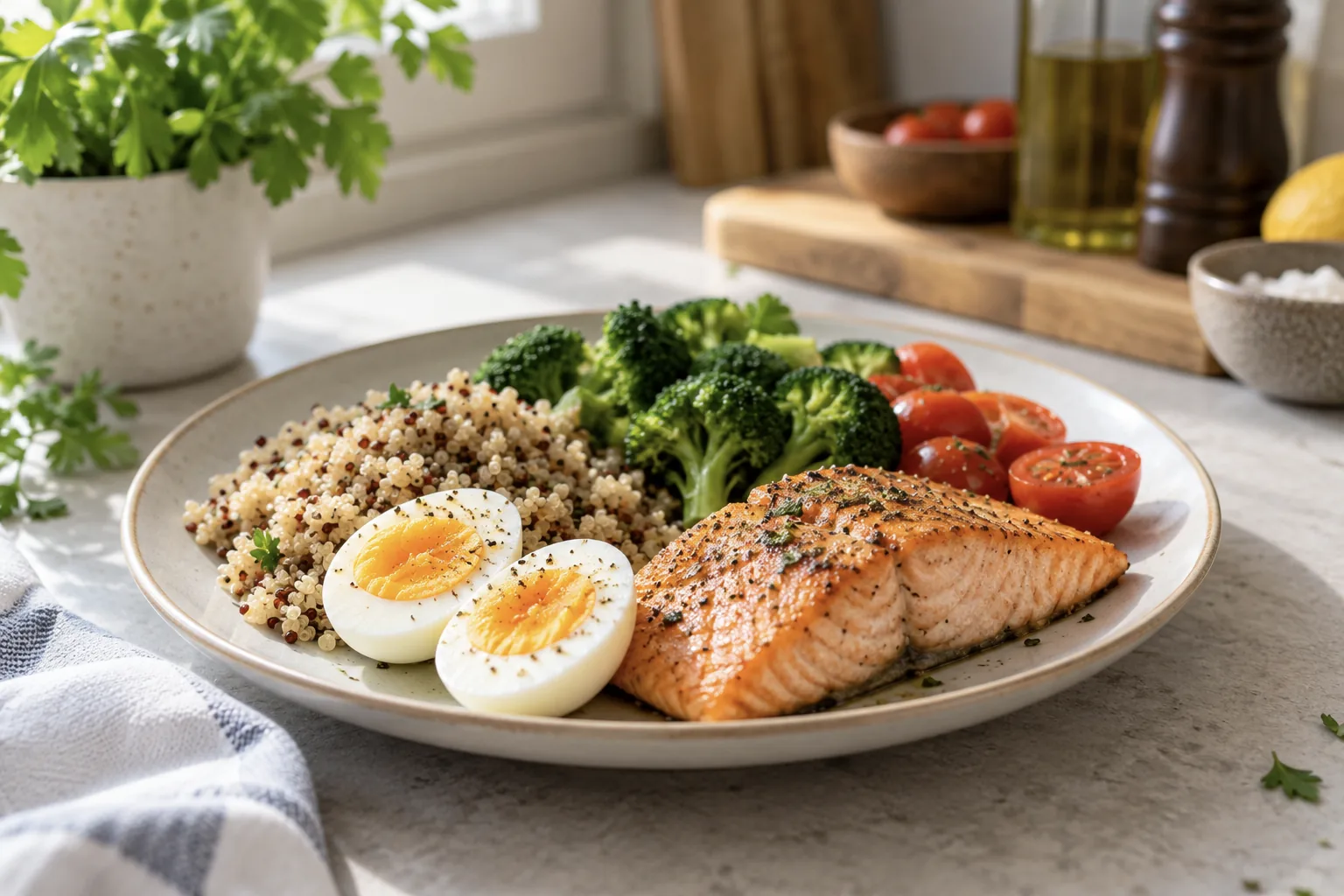
- Count calcium from low-oxalate sources: kale, bok choy, collards, broccoli, tofu set with calcium, canned fish with bones, fortified foods, and dairy if you use it. See calcium-rich foods and dairy-free sources.
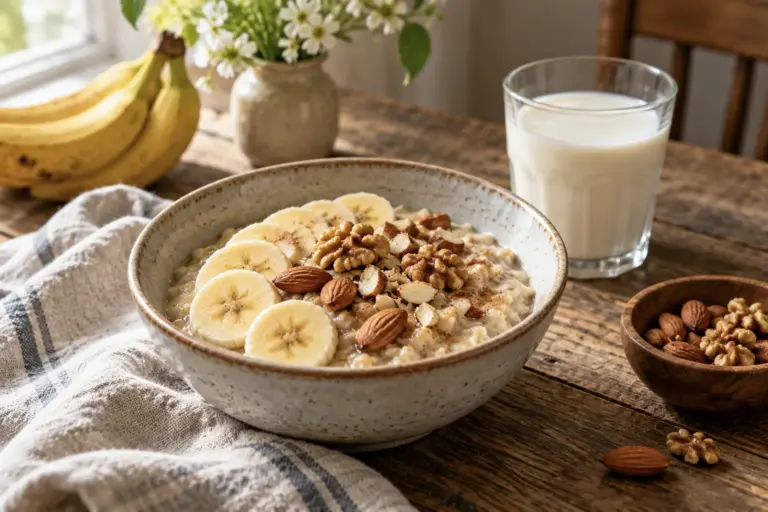
- Keep eating beans, nuts and whole grains. Soaking, sprouting and cooking reduce phytate, but you do not need to be strict.
- Do not swap spinach for a calcium supplement without checking your total intake. Our article on calcium supplements explains why more is not always better.
- Be wary of “anti-nutrient” fear. Some popular guides, including one we checked in this habit-by-habit review, make the same balanced point about phytates, and the research agrees.
References
- Heaney RP, Weaver CM. Calcium absorption from kale. Am J Clin Nutr 1990;51:656-7. PubMed
- Weaver CM. Calcium bioavailability and its relation to osteoporosis. Proc Soc Exp Biol Med 1992;200:157-60. PubMed
- López-González AA, et al. Protective effect of myo-inositol hexaphosphate (phytate) on bone mass loss in postmenopausal women. Eur J Nutr 2013;52:717-26. PubMed
- NIH Office of Dietary Supplements. Calcium fact sheet for health professionals. ods.od.nih.gov
This article contains no affiliate links. See our medical disclaimer and editorial policy.