Bone Density Programs Compared: Which Approach Actually Builds Bone After 50?
Disclosure: We may earn a commission if you purchase through links on this page. This does not affect our editorial assessment. See our affiliate disclosure.
In this article
- Approach 1: pharmaceutical only
- Approach 2: supplement-only
- Approach 3: exercise-only
- Approach 4: structured holistic programs
- What actually moves the needle
- Why structured programs beat ad-hoc choices
- FAQ
When someone over 50 gets a DEXA result showing low bone density, the next question is: what now? The market is full of solutions — pharmaceutical, supplement-based, exercise programs, holistic protocols. Each works on a different mechanism and produces a different magnitude of effect. After examining the published evidence and the most popular consumer programs, the picture is clearer than the marketing makes it sound.
Approach 1: pharmaceutical only
Bisphosphonates (alendronate, risedronate, zoledronic acid), denosumab, romosozumab, teriparatide. These produce the largest BMD gains in the shortest time — typically 4-10% at the spine over 1-3 years. Side effects exist but are usually manageable. Best for established osteoporosis with prior fracture or T-score under -2.5. Not a first choice for early-stage prevention.
Approach 2: supplement-only
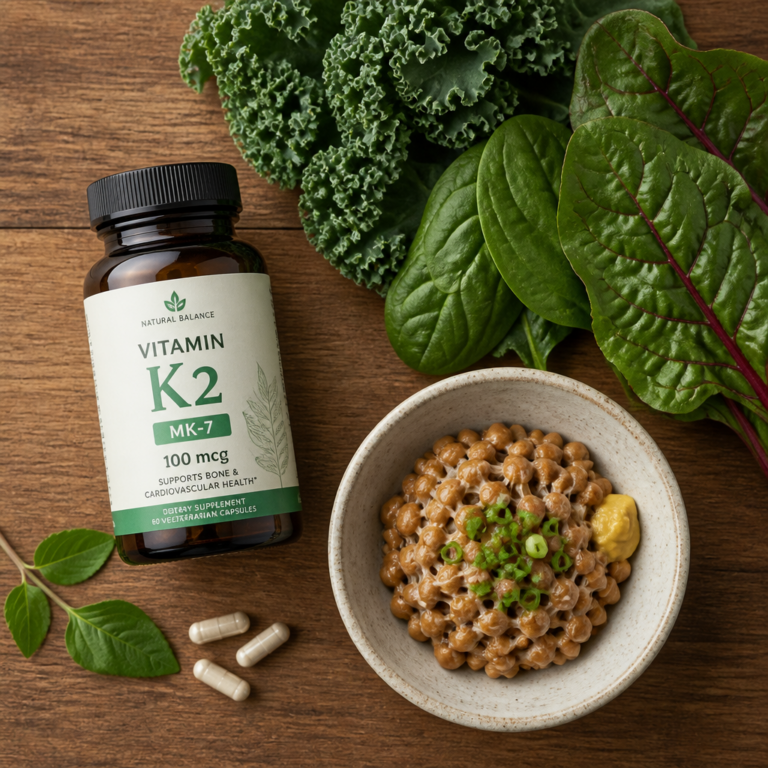
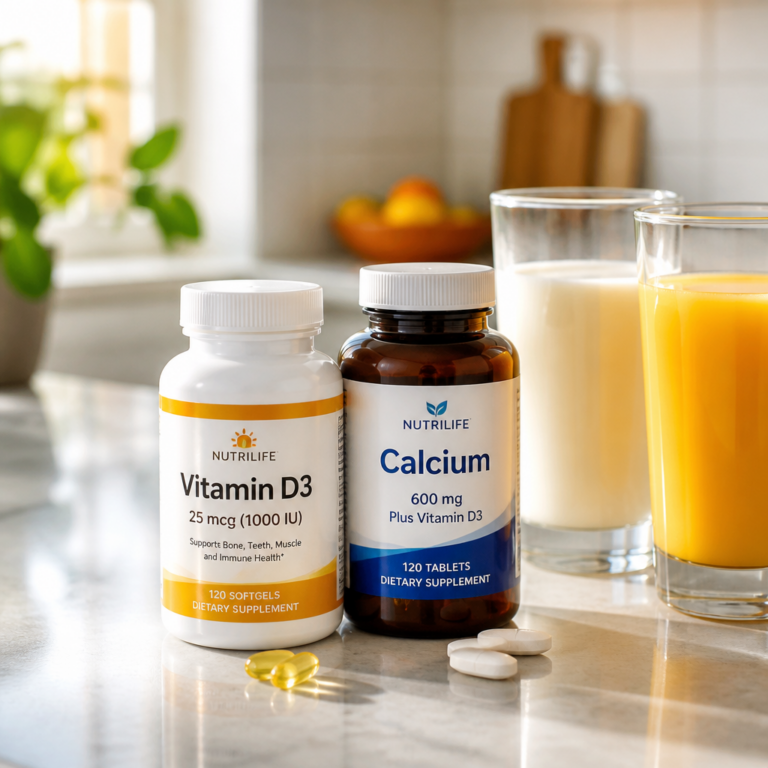
Calcium, vitamin D, K2, magnesium, boron. By themselves, supplementation produces modest BMD effects (1-3% over 2-3 years) and matters most in people with documented deficiencies. The mistake many make is treating supplements as the primary intervention rather than the supportive layer. Our guide to vitamin K2 and calcium routing in bone covers where that layer genuinely earns its place.
Approach 3: exercise-only
Weight-bearing aerobic exercise plus resistance training. The LIFTMOR trial and subsequent research showed that structured high-intensity resistance training can produce 2-5% BMD gains at the hip and spine over 8-12 months in postmenopausal women. Probably the highest-return single intervention for most people.
Approach 4: structured holistic programs
Programs like The Bone Density Solution combine nutrition, supplementation, specific exercises, and lifestyle changes into a coordinated 6-month protocol. The advantage is the structure itself — adherence to a complete protocol typically beats picking individual interventions. The published evidence for these programs is mostly anecdotal but the components are evidence-based; we go through the components and the claims in our detailed breakdown of this protocol.
What actually moves the needle
In our review of the published literature and consumer programs, the highest-return combinations for adults over 50 are: resistance training + adequate protein (1.0-1.2 g/kg) + vitamin D in the 35-50 ng/mL range + K2 if deficient + medication if T-score is at or below -2.5. The exact protocol matters less than consistency over 12-24 months.
Why structured programs beat ad-hoc choices
Adherence is the single biggest factor in outcomes. A “perfect” individualized plan that you abandon at week 6 produces less than a “good enough” structured program you complete. This is the underrated argument for following an established protocol rather than building your own.
Building a complete bone-protection routine? Our full Bone Density Solution review covers the 6-month structured program — what works, what does not, and who it fits.
FAQ
Which approach should I start with?
For most adults over 50 with concerns but not yet diagnosed osteoporosis: structured exercise + targeted supplementation. For established osteoporosis: medication plus exercise plus nutrition simultaneously.
Are consumer bone-health programs scams?
Not all. The components (protein, K2, magnesium, weight-bearing exercise) are evidence-based. The marketing often overstates results, but the protocols themselves can work when followed consistently.
How long until I see measurable change?
DEXA-detectable BMD changes take 12-24 months. Lab markers (CTX, P1NP) can shift within 3-6 months. Functional improvements (balance, strength) appear within 8-12 weeks.
Can I do exercise + supplements without medication?
If your T-score is above -2.5 and you have no fractures, yes — that is reasonable. Below -2.5 or with prior fractures, the evidence supports adding medication.
Medical disclaimer: This article is for informational purposes only and is not medical advice. Consult your physician before changing supplements, medications or exercise routines, especially if you have been diagnosed with osteopenia or osteoporosis. See our full medical disclaimer.