The Best Multivitamins for Bone Health After 50
Disclosure: We may earn a commission if you purchase through links on this page. This does not affect our editorial assessment. See our affiliate disclosure.
Disclosure: This article contains affiliate links. We may earn a small commission if you purchase through our links, at no extra cost to you.
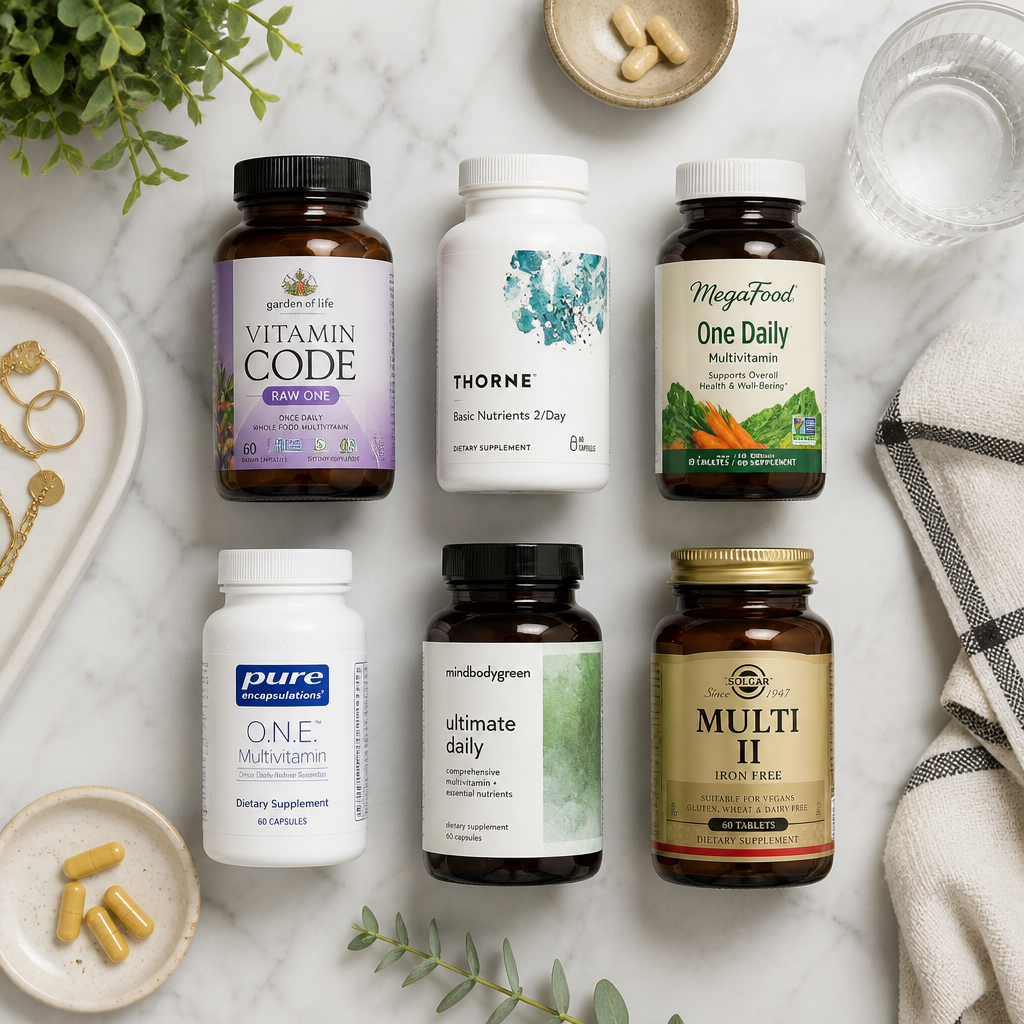
A multivitamin is often the first supplement people reach for when they decide to “take better care of their health.” For bone health specifically, a well-chosen multivitamin can fill micronutrient gaps — but it’s rarely sufficient on its own. Here’s how to evaluate a multivitamin for bone health purposes and what to look for.
What a Good Bone Health Multivitamin Should Contain
Vitamin D3 (not D2): Look for at least 800–1,000 IU. Many standard multivitamins contain only 400 IU, which is insufficient for most adults over 50. Premium formulas for seniors often provide 1,000–2,000 IU.
Vitamin K2 (MK-7): This is the biggest differentiator between standard and bone-optimized multivitamins. Most standard multivitamins contain only K1, or no K2 at all. Look for MK-7 specifically — ideally 90–180 mcg. If your multivitamin doesn’t contain K2, add it separately.
Magnesium: At least 100–150mg of magnesium (glycinate, citrate, or malate preferred). Many multivitamins contain only 30–50mg, which is inadequate. You’ll likely need additional magnesium separately.
Calcium: Many nutritionists now advise against large calcium amounts in multivitamins — because you’re better off getting calcium from food and from a separate supplement timed optimally with meals. A multivitamin with 200–300mg of calcium is fine as partial contribution.
Zinc (8–11mg), Vitamin C (100–200mg), B vitamins: These support collagen synthesis, immune function, and general metabolic health relevant to bone.
What to Avoid
Calcium carbonate in high doses in multivitamins — absorption is poor and may cause constipation. D2 (ergocalciferol) — less effective than D3. Iron in multivitamins for men and postmenopausal women — unnecessary and interferes with calcium absorption. Synthetic fillers and low-quality binders in cheap formulas.
Multivitamin as Part of a Stack
A good multivitamin covers some of the bases but rarely all of them at optimal doses. Most people focused on bone health will still benefit from additional vitamin D3 (if the multi doesn’t provide enough), a dedicated magnesium supplement, and vitamin K2 MK-7 if not included. Think of the multivitamin as the foundation, not the complete solution.
For a complete bone health approach, The Bone Density Solution addresses supplementation within a broader nutrition and lifestyle framework for adults over 50.
Related articles:
Should You Take a Bone Health Supplement Stack?
Vitamin K2 and Bone Health
Magnesium and Bone Health
Sources and Further Reading
- NIAMS — Bone Health and Osteoporosis
- Bone Health & Osteoporosis Foundation
- NIH Office of Dietary Supplements
This article is for educational purposes only and does not replace advice from a qualified healthcare professional.
Medical disclaimer: This article is for informational purposes only and is not medical advice. Consult your physician before changing supplements, medications or exercise routines, especially if you have been diagnosed with osteopenia or osteoporosis. See our full medical disclaimer.
How we reviewed this (updated 16 October 2026): this page is based on the vendor’s official information, pricing and policies and on public user feedback. We have not hands-on tested the products listed.