Creatine and Bone Density After 50: What the Evidence Really Shows
A note before you read: this article is educational and does not replace medical advice. Talk to your healthcare provider before starting any supplement, especially with kidney conditions or if you take medication. This page contains affiliate links — see our affiliate disclosure.
Creatine has spent thirty years as a gym supplement, and the last few being rediscovered by researchers studying healthy ageing. The bone question is genuinely interesting: can the best-studied muscle supplement in existence also help the skeleton after 50? The evidence has a clear shape — and a catch that most articles on this topic bury: creatine appears to help bone only when it’s paired with resistance training. Alone, it does little for bone at all.
What the evidence shows
Creatine + resistance training: the most cited 12-month trial in postmenopausal women combined creatine (around 0.1 g per kg of body weight daily) with a supervised resistance program. The creatine group better preserved hip bone density and showed improved bone geometry at the femoral neck compared with training alone. Several smaller studies point the same cautious direction.
Creatine without training: trials of supplementation alone have mostly found no meaningful bone density effect. The supplement seems to amplify the signal that loading sends to bone — more work per session, stronger muscle pulling on bone — rather than acting on bone directly.
The muscle side is the sure bet. Where creatine’s evidence is robust is muscle mass, strength and performance in older adults — and for fracture risk, muscle matters enormously: most fractures start with a fall, and falls start with weak legs and poor balance. Even if the direct bone effect turns out modest, the fall-prevention pathway is valuable on its own. (Our guide to strength training after 50 covers the training half of this equation.)
Practical details, if you and your doctor decide to try it
- Form: creatine monohydrate. The cheapest form is also the studied one; ignore exotic variants.
- Dose: 3-5 g daily. No loading phase needed — levels saturate within about a month either way.
- Timing: doesn’t meaningfully matter; daily consistency does. Many people stir it into morning coffee or a smoothie (it’s tasteless).
- Hydration: creatine draws water into muscle; drink normally and expect possibly 0.5-1 kg of water-weight early on — that’s not fat.
- Safety: in healthy adults, decades of research give monohydrate a strong safety record. Kidney disease is the established caution — hence the doctor conversation first.
The non-negotiable other half
If there’s one sentence to keep from this article: creatine is an amplifier, not an engine. The engine is progressive resistance training — twice a week, working the hips, spine and legs against meaningful load. Without it, the supplement has nothing to amplify. Within a complete program — training, protein, calcium, vitamin D, sleep — it’s a reasonable, inexpensive addition to discuss with your doctor. That whole-system approach is exactly the philosophy behind The Bone Density Solution, the structured 12-month protocol we’ve reviewed here; creatine slots neatly alongside its exercise pillar rather than replacing any of it.
FAQ
I’m a woman in my 60s — isn’t creatine for young bodybuilders?
The recent research focus is precisely older adults, and postmenopausal women feature heavily in the bone studies. The stereotype is twenty years out of date.
How long before I’d see anything on a DEXA scan?
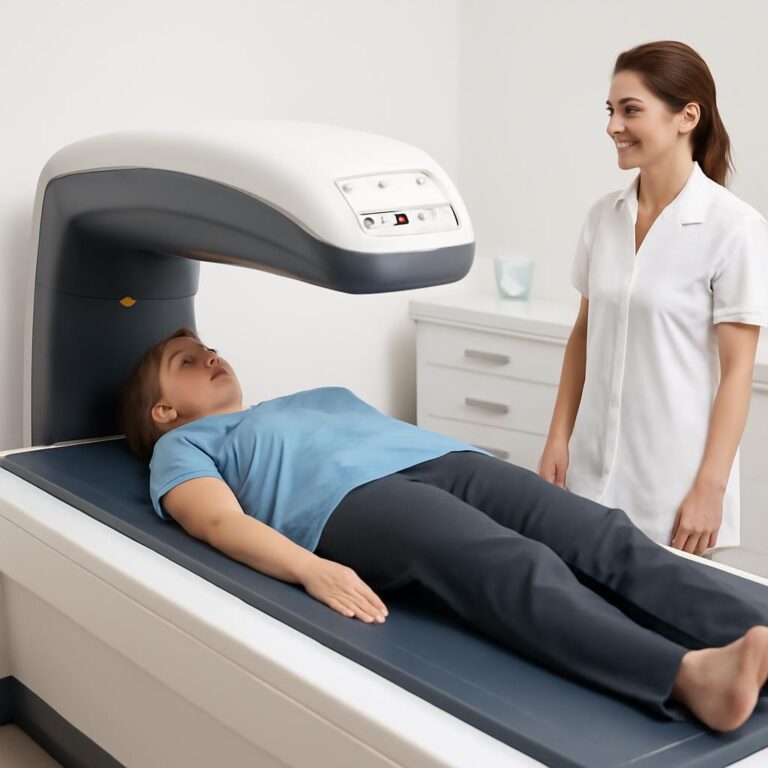
Bone adapts slowly: the relevant trials ran 12 months. Re-scan on your doctor’s schedule (typically 1-2 years), not sooner. Muscle and strength changes show up within 8-12 weeks.
Does creatine cause hair loss or cramps?
The hair-loss worry traces to a single small study measuring a hormone, not hair; it hasn’t replicated. Large reviews don’t support the cramp myth either.
Creatine from food?
Meat and fish provide roughly 1-2 g per day in a typical diet — below the studied supplemental dose, which is why trials supplement.
Related reading: Protein and bone health · The best bone-building exercises after 50 · Supplements that actually help bone
This article is for educational purposes only and does not replace advice from a qualified healthcare professional.