Osteopenia Self-Care: Daily Habits That Slow Bone Loss
Disclosure: We may earn a commission if you purchase through links on this page. This does not affect our editorial assessment. See our affiliate disclosure.
The word arrives on an ordinary Tuesday. You went in for a routine scan, maybe because your doctor mentioned it at your last physical, and now there is a term on the report you had never really thought about: osteopenia. Nobody schedules an emergency. You go home, make dinner, walk the dog. And somewhere in the back of your mind a quiet question sits there while you load the dishwasher: is there anything I’m supposed to be doing differently now?
Here is the honest, reassuring answer. Osteopenia means your bone density has dipped below normal but has not fallen far enough to be called osteoporosis. It is a heads-up, not a verdict. And it happens to land at exactly the stage where your ordinary choices carry the most weight, because steady, unglamorous habits really can slow further loss and lower the odds of a fracture down the road. What follows is not a miracle food or a magic supplement. It is a set of small things, done most days, that quietly add up.
What a Bone-Friendly Day Actually Looks Like
None of the advice below is exotic, and that is rather the point. The habits with the strongest backing, from groups like the National Institute of Arthritis and Musculoskeletal and Skin Diseases, the Bone Health & Osteoporosis Foundation, the NHS and Mayo Clinic, are the ones you can fold into a normal day without rearranging your life. Treat what follows as a framework to shape with your own clinician, not a rulebook.
Mornings are a good place to start, because two of the most useful things you can give your bones belong at breakfast. Vitamin D is the first. It helps your body actually absorb the calcium you eat, and plenty of adults over 50 run low on it. A little safe sunlight lets your skin make some, but how much depends so heavily on the season, your skin tone and where you live that most guidance leans on a supplement instead, often somewhere around 800 to 1,000 IU a day for older adults. Whether that is the right number for you is a conversation worth having with your doctor, ideally after a blood test. The second is protein, which is scaffolding for bone and not just fuel for muscle. If you tend to save all your protein for dinner, try nudging some earlier, eggs, Greek yogurt, milk, a handful of beans. Spreading it across the day supports both your skeleton and the muscle that keeps you steady on your feet.
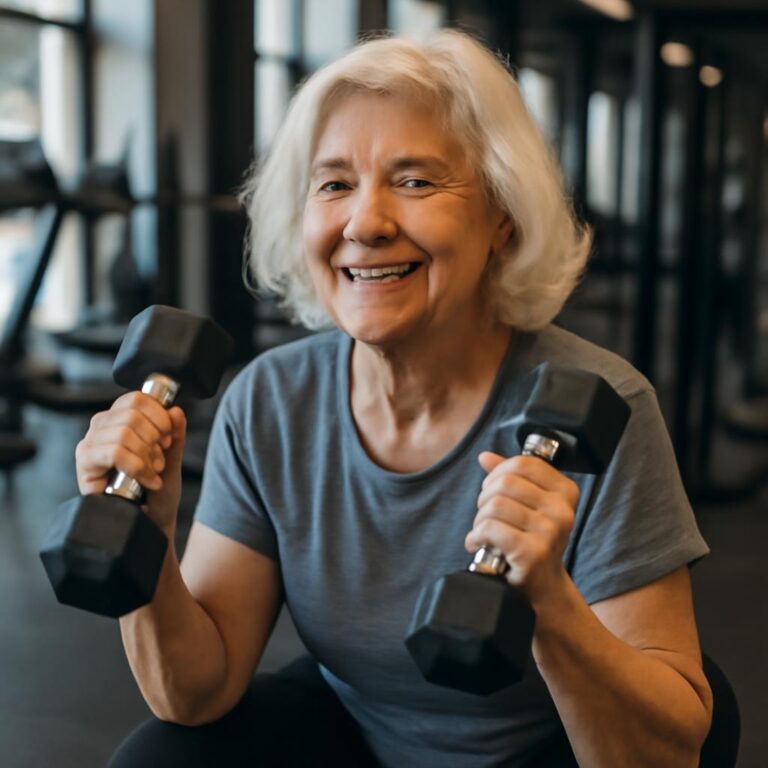
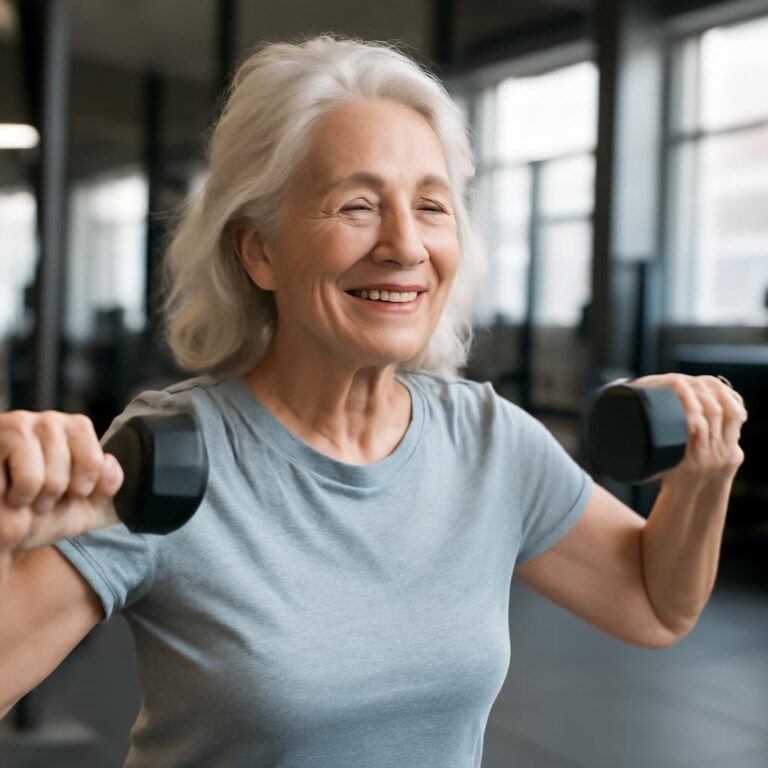
Then there is movement, which may be the closest thing to a lever you can pull. Bone is living tissue, and it responds to being loaded. Weight-bearing activity, walking, dancing, climbing the stairs instead of taking the lift, jogging if your joints are happy with it, sends your skeleton a signal to hold onto its density. Aim for a little on most days. On top of that, try to work your major muscle groups with some resistance at least twice a week, whether that is bands, light dumbbells or simply your own bodyweight, because muscle pulling on bone helps maintain it. Just as valuable, and often overlooked, is balance. Standing on one leg while the kettle boils, or a gentle tai chi class, lowers the chance you fall at all, and preventing the fall is frequently what prevents the break. If you want this laid out as an actual plan, our guide to the best exercises to improve bone density after 50 walks through it.
Calcium runs through the rest of the day. Most experts prefer you get it from food rather than pills, and the list is broader than you might expect: dairy, fortified plant milks, tinned fish with the soft bones still in, tofu set with calcium, leafy greens. Most adults over 50 need somewhere in the region of 1,000 to 1,200 mg daily, and food is the better route, with supplements saved for filling a real gap rather than routinely piling on high doses. Two quieter nutrients deserve a mention. Magnesium, from nuts, seeds, whole grains and greens, has a genuine role in bone structure. Vitamin K2, found in fermented foods and some cheeses, helps steer calcium into bone, though the evidence for K2 supplements specifically is still coming in, so think of it as a sensible thing to eat rather than a proven fix. It also helps to know what pulls in the other direction; our rundown of foods to avoid with osteoporosis covers the usual suspects, heavy salt, a lot of alcohol, very high caffeine.
Evening matters more than most people assume. Short or broken sleep is linked with lower bone density, partly through the hormonal churn that comes with being chronically tired, so a consistent bedtime and a calm wind-down are doing real work, not just making you feel better; we dig into why in our look at sleep and bone health. Keep alcohol modest while you are at it, since heavy drinking interferes with the cells that build bone and makes a stumble more likely. The common guidance, no more than one drink a day for women and two for men, is a ceiling, not a target, and less is better.
A few things do not fit neatly into a time slot and are really about steady maintenance. If you smoke, quitting is close to the single most powerful move you can make, because smoke is directly toxic to bone. Chronic stress belongs on the list too, since cortisol that stays elevated for months can speed bone loss, which makes stress management a legitimate bone strategy rather than a nice-to-have, as we explain in stress and bone loss. It is worth sitting down with your doctor or pharmacist to review your medications, because a few, long-term steroids among them, can affect bone, and simply knowing that lets your clinician plan around it. And take a slow walk through your own home looking for the things that trip people: loose rugs, dim hallways, a missing grab bar by the bath, clutter on the stairs. For the wider view of everything you can do without reaching for a prescription, our pillar guide on osteopenia treatment without drugs ties it all together.
Home Remedies: The Part Where I Level With You
Search around for osteopenia home remedies and you will wade through some confident promises. It is worth being straight about this, because time and money spent chasing the unproven is time and money not spent on the things that actually move the needle.
A handful of food-based ideas do hold up. Prunes are the standout, oddly enough: several studies suggest that a modest daily serving of dried plums may help postmenopausal women hold onto bone density, probably thanks to their mix of nutrients and plant compounds. Getting enough protein and enough magnesium, the same ones from your daily routine, have real research behind them too. All of these are cheap, low-risk and easy to try. The other category is where honesty earns its keep. Most herbal “bone teas,” detox blends and essential oils sold for bone strength simply are not backed by reliable human trials. Rubbing an oil into your skin does not rebuild a skeleton, and a few herbal preparations can quietly interfere with medication. So enjoy the tea if you like how it tastes, just do not mistake it for treatment, and tell your doctor about anything you are taking.
If you would rather follow a single structured program than assemble all of this piecemeal, one option some readers turn to is The Bone Density Solution, which packages the diet, movement and lifestyle pieces into one plan aimed at adults over 50. Treat it as a way to stay organized alongside your medical care, not as a substitute for it. We set out what the program actually contains, and who it suits in a separate piece.
Making It Stick Across a Week
You do not need to overhaul everything by Friday. If it helps to picture the shape of a good week, here is a plain version to borrow from.
- Every day: protein at breakfast, calcium-rich foods across your meals, your vitamin D if it has been advised, some weight-bearing movement, and a consistent bedtime.
- At least two days: resistance work for the major muscle groups.
- Most days: a few minutes of balance practice, and yes, standing on one leg while you brush your teeth counts.
- Always in the background: no smoking, modest alcohol, some way of managing stress, and a home you have checked for things to trip over.
The trick is not intensity, it is repetition. Pick one or two of these, make them so automatic you stop noticing them, then add the next. Bone remodels on the scale of months and years, so consistency over that long horizon is what genuinely protects it.
When to Stop Managing It Alone
Self care sits alongside medical care, and there are moments that call for a professional rather than another tweak to your routine. Book time with your doctor if a minor bump or fall produces a fracture, or a bone breaks more easily than it should. Do the same for new back pain, a loss of height or a stooping posture, any of which can hint at a spinal compression fracture. Reach out too if you are overdue for a bone density (DXA) scan or have never had one, if you take steroids or other medications that affect bone or live with a condition that raises fracture risk, or if you have simply started falling more often and are not sure why. And if you are uncertain whether a given supplement is right for you, that uncertainty is itself a good reason to ask. None of these are things to quietly manage on your own; they are cues to get assessed so your care can be adjusted.
People often want to know which single habit matters most, and the honest reply is that bone health leans on several working together. If pressed, regular weight-bearing and resistance exercise is arguably the highest-value one for most people, because it both tells bone to keep its density and builds the strength and balance that stop falls, and its fall-prevention payoff can show up within weeks, well before your next scan reflects anything. Pair it with enough calcium, vitamin D and protein and you have covered the ground that counts. You can absolutely own the day-to-day work yourself; what you should not do is cut your clinician out of it entirely, since they are the ones who can weigh your individual fracture risk, order and read the scans, look for underlying causes and tell you whether medication belongs in the picture. Think of it as you leading the daily effort, with your doctor as the guide.
Sources
- NIH / NIAMS, Osteoporosis and bone health
- Bone Health & Osteoporosis Foundation (BHOF)
- NHS, Osteoporosis
- Mayo Clinic, Osteopenia
The Bone Density Solution
A structured program designed for adults over 50 to support bone density through diet, exercise, and lifestyle changes — an integrated approach to reducing fracture risk. Best used alongside, not instead of, professional medical care.
Check The Bone Density Solution →Affiliate link — we may earn a commission at no extra cost to you. Full disclosure.
Medical disclaimer: This article is for informational purposes only and is not medical advice. Consult your physician before changing supplements, medications or exercise routines. See our full medical disclaimer.