Aromatase Inhibitors and Bone Loss: Protecting Your Bones Through Breast-Cancer Treatment
There is a particular kind of exhaustion that comes after breast-cancer treatment. You have made it through surgery, perhaps chemotherapy, perhaps radiation. You have learned to read your own body like a nervous weather forecaster. And then your oncologist hands you a small daily pill — anastrozole, letrozole, or exemestane — and tells you it will meaningfully lower the odds that the cancer ever comes back. You take it gratefully. And somewhere in the fine print, or in a quieter follow-up appointment, you learn that this same pill is quietly thinning your bones.
It is a genuinely difficult thing to sit with. The medicine protecting your life is also, over time, weakening your skeleton. If you are feeling some version of “haven’t I been through enough already,” you are not being dramatic. You are being accurate. The good news — and there is real good news here — is that bone loss from aromatase inhibitors is one of the most predictable and manageable side effects in all of cancer care. It is watched for, measured, and treated. You are not simply meant to absorb it.
Why these drugs affect your bones at all
To understand the bone problem, it helps to understand what aromatase inhibitors actually do. Many breast cancers are hormone-receptor-positive, meaning they use estrogen as fuel. In women who have gone through menopause, the ovaries are no longer the main estrogen source; instead, an enzyme called aromatase converts other hormones into estrogen in fat, muscle, and other tissues. Aromatase inhibitors block that enzyme, dropping the body’s remaining estrogen to very low levels. For the cancer, this is starvation. It is precisely the point.
But estrogen was never doing only one job. It is also one of the most important guardians of the adult skeleton. Estrogen keeps the bone-remodeling cycle in balance, restraining the cells (osteoclasts) that break bone down so the cells that build bone can keep pace. When you strip estrogen down to near nothing, that restraint disappears. Bone breakdown accelerates, bone formation can’t keep up, and bone mineral density falls — often noticeably faster than the gradual decline of ordinary post-menopausal aging. Studies have found that women on aromatase inhibitors can lose bone density at roughly two to three times the rate of women not taking them, and that this translates into a measurably higher risk of fracture over the years of treatment.
This is, in a sense, the same story that drives ordinary post-menopausal bone loss, just intensified and compressed. If you want the fuller picture of how this hormone shapes your skeleton, we cover it in depth in our piece on estrogen and bone loss. Aromatase inhibitors are essentially that process with the volume turned all the way up — which is exactly why they belong on any honest list of medications that cause bone loss.
What “higher fracture risk” really means — and what it doesn’t
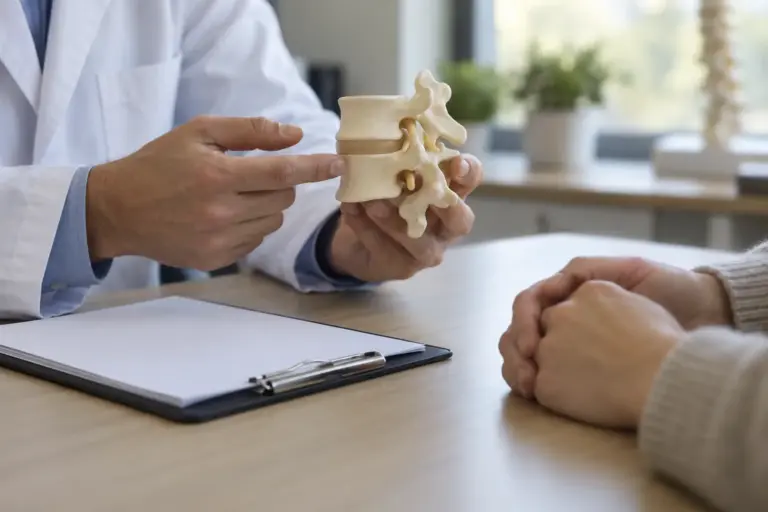
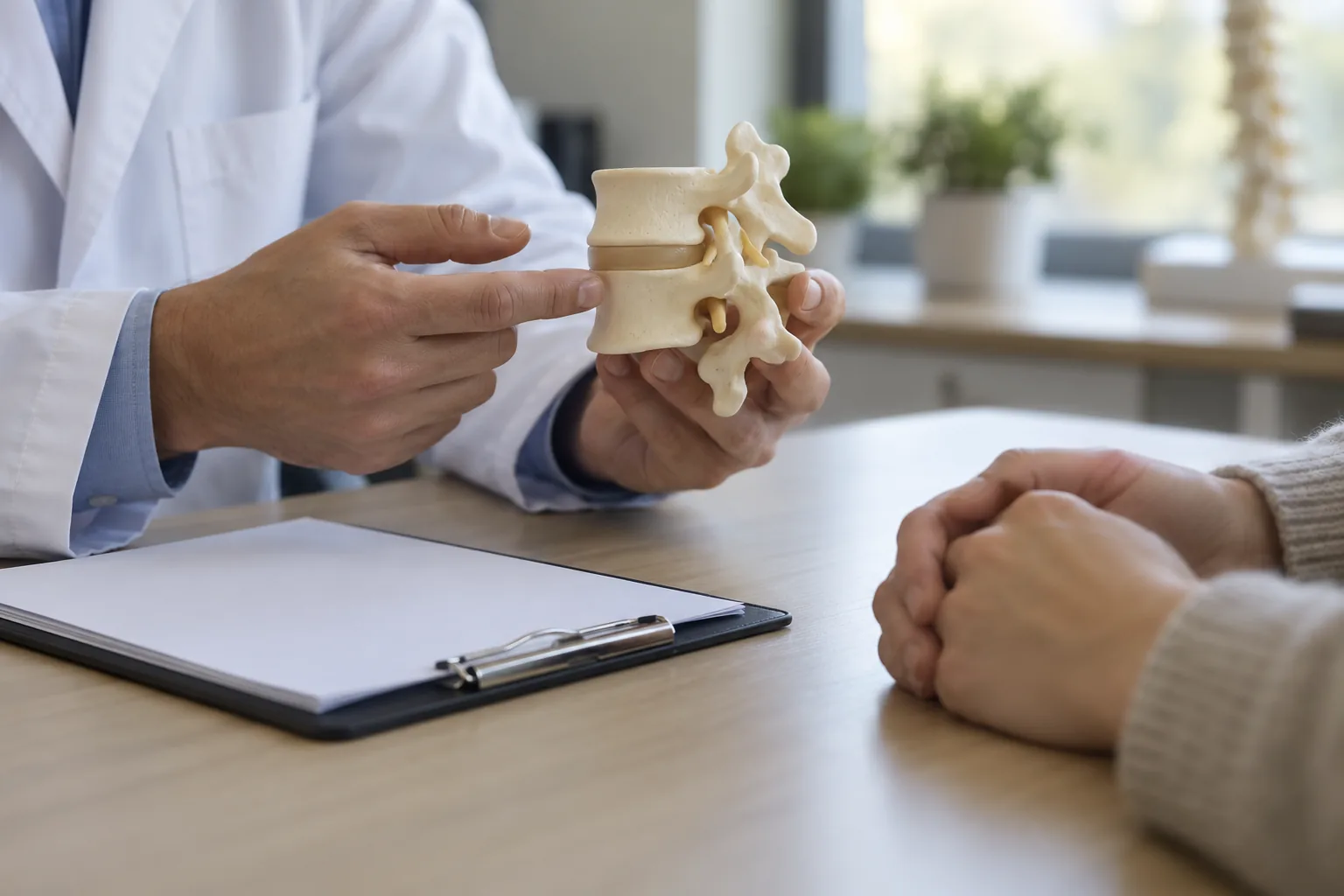
It is worth being clear-eyed but not frightened here. Elevated fracture risk does not mean fractures are inevitable, and it certainly does not mean your bones will crumble. What it means is that the margin has narrowed. A fall that your skeleton might once have shrugged off carries more consequence now, and the slow thinning happens whether or not you feel anything — because bone loss is silent. There is no ache that tells you your density has dropped. That silence is exactly why monitoring matters so much: it turns an invisible process into something you and your doctor can actually see and act on.
Most women tolerate aromatase inhibitors for the full recommended course — often five years, sometimes longer — without ever breaking a bone. The women who do best are usually the ones who treated bone health as part of the treatment plan from the beginning, rather than a problem to deal with later.
How your oncology team keeps watch
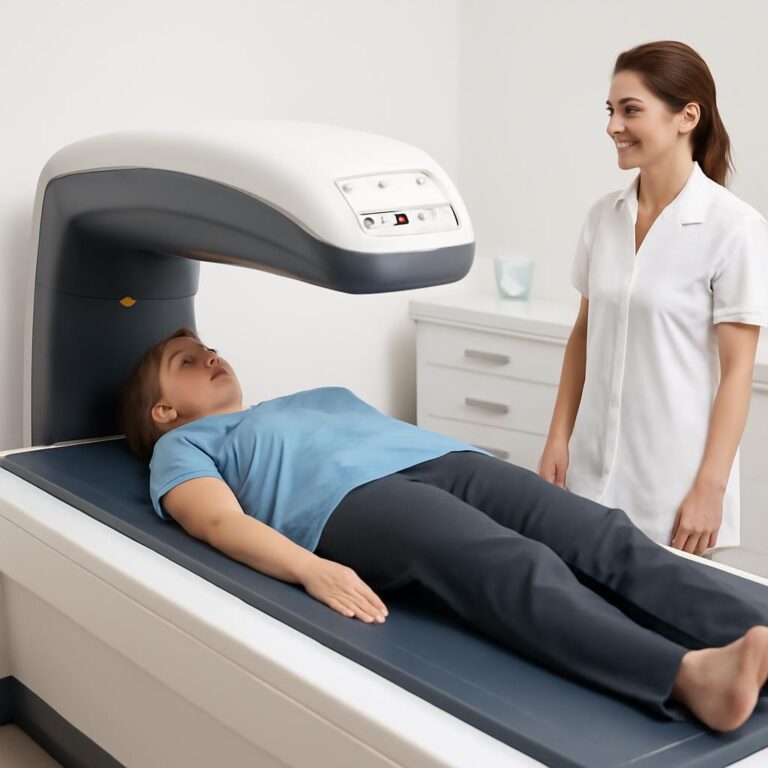
The cornerstone of monitoring is the DEXA scan (dual-energy X-ray absorptiometry), a quick, painless, low-radiation scan that measures the density of your hip and spine. Most oncology teams order a baseline DEXA around the time you start an aromatase inhibitor, then repeat it periodically — commonly every one to two years — to see which direction your bones are heading. The scan produces a T-score, a number that compares your bone density to that of a healthy young adult. Alongside your other risk factors, that trend line helps your team decide whether lifestyle steps are enough on their own or whether it is time to add a bone-protective medication.
Here is a detail many women find genuinely reassuring. When oncologists decide a bone drug is warranted, the two they reach for most often — bisphosphonates (such as zoledronic acid) and denosumab — do more than shore up your skeleton. In post-menopausal women being treated for breast cancer, these same medications have been shown in large studies to modestly reduce the risk of cancer spreading to the bone and, in some analyses, to improve survival. In other words, the drug protecting your bones may also be quietly working on the cancer itself. If your team recommends one, it is often doing double duty.
Bone-protective medications carry their own considerations and side effects, and it is completely reasonable to ask questions before starting one; we walk through the most common concerns in our guide to bisphosphonate side effects explained. But for most women the benefits, in this specific situation, are substantial.
What you can do yourself — and where it fits
None of what follows is a substitute for the medical care above. Think of it instead as the foundation everything else is built on — the part that is genuinely in your hands.
Movement matters most, and specifically the kind that asks something of your bones. Weight-bearing exercise (walking, hiking, stair-climbing, dancing) and resistance training (weights, bands, or your own body weight) both send a signal that tells bone to hold on to its density and, in some cases, rebuild. Muscle that pulls on bone is one of the few things known to prompt bone to strengthen, and stronger muscles also mean better balance, which means fewer falls in the first place. If you are not sure where to begin, our overview of the best exercises to improve bone density after 50 is a gentle, practical place to start. During cancer treatment, run any new exercise plan past your oncology team first, especially if you have had surgery, are fatigued, or have any bone involvement.
Nutrition is the other pillar. Your bones need adequate calcium (most guidance points to around 1,200 mg a day for women in this age group, ideally from food first), and they cannot use that calcium well without enough vitamin D — which is worth having checked with a simple blood test, since many women run low. Protein matters more than people expect, too; it is the scaffolding bone and muscle are built on, and appetite during treatment can make it easy to fall short. And the ordinary advice about not smoking and keeping alcohol modest applies with extra force here, because both actively work against bone.
Some women also look for structured lifestyle support to keep all of this consistent, especially when treatment fatigue makes it hard to stay organized. One option in that category is The Bone Density Solution, a program built around diet, movement, and daily habits for adults over 50. It is worth being clear about what something like this is and isn’t: it is optional lifestyle support, not a treatment for cancer or for bone loss, and it is never a substitute for the DEXA scans, medications, and oversight your oncology team provides. If it helps you stay consistent with the fundamentals, that is where its value lies.
This article contains affiliate links; we may earn a commission at no extra cost to you. See our disclosure.
Bringing it to your oncologist
The single most useful thing you can do is make bone health an explicit, ongoing part of the conversation rather than an afterthought. Your oncologist has almost certainly thought about it — but a focused question or two ensures you are both on the same page. You might ask:
- Have I had a baseline DEXA scan, and how often will you repeat it while I’m on this medication?
- Given my T-score and other risk factors, do you recommend a bone-protective drug now, or are we watching and waiting?
- Should I have my vitamin D level checked, and are there calcium or vitamin D targets you’d like me to hit?
- Are there specific exercises I should pursue — or avoid — given my treatment and surgical history?
Notice that none of these questions is about stopping your medication. That is deliberate, and it matters. The bone loss caused by aromatase inhibitors is manageable; the cancer these drugs are holding back is the thing you are truly protecting yourself from. The goal is never to trade one for the other. It is to protect your bones while you protect your life — and, with monitoring and a few sustained habits, that is very much within reach.
If bone loss has felt like one more unfair thing piled onto an already hard road, let this be the reframe: it is a known, watched, and treatable part of your care. You are not facing it blindly, and you are not facing it alone.
The Bone Density Solution
A structured program designed for adults over 50 to support bone density through diet, exercise, and lifestyle changes — an integrated approach to reducing fracture risk. Best used alongside, not instead of, professional medical care.
Check The Bone Density Solution →Affiliate link — we may earn a commission at no extra cost to you.
This article is for general education and is not medical advice. Decisions about your cancer treatment and bone health should always be made with your oncology team, who know your full history. Please see our medical disclaimer.