Omega-3 Fatty Acids and Bone Density: Is There a Link?
Disclosure: We may earn a commission if you purchase through links on this page. This does not affect our editorial assessment. See our affiliate disclosure.
Omega-3 fatty acids are best known for their cardiovascular benefits — reducing inflammation, supporting heart rhythm, lowering triglycerides. What gets far less attention is their relationship with bone health. The evidence here is not as definitive as it is for calcium or vitamin D, but it’s consistent enough to take seriously — particularly for anyone already focused on anti-inflammatory nutrition.

The Basics: What Are Omega-3s?
Omega-3 fatty acids are a family of polyunsaturated fats. The three most relevant to human health are:
- ALA (alpha-linolenic acid): Found in plant sources like flaxseeds, chia seeds, and walnuts. The body can convert ALA to EPA and DHA, but conversion rates are low — typically under 10%.
- EPA (eicosapentaenoic acid): Found primarily in fatty fish and fish oil. Strongly anti-inflammatory.
- DHA (docosahexaenoic acid): Also from fatty fish. Critical for brain health and cell membrane integrity.
EPA and DHA are the forms most studied for bone health effects. Marine sources — fatty fish, fish oil, algae oil — provide these directly, without relying on the body’s limited conversion capacity.
How Omega-3s May Support Bone Health
Several mechanisms have been proposed:
Reducing inflammatory bone loss. Pro-inflammatory cytokines (like IL-1, IL-6, and TNF-α) stimulate osteoclast activity and suppress osteoblasts — accelerating net bone loss. Omega-3s, particularly EPA, reduce the production of these cytokines. This anti-inflammatory effect may help preserve the balance between bone formation and resorption.
Improving calcium absorption. Some research suggests omega-3s enhance calcium absorption from the gut and may reduce urinary calcium excretion — meaning more calcium stays in the body and is available for bone.
Direct effects on bone cells. Cell studies have found that omega-3s can influence osteoblast and osteoclast activity directly, though translating these findings to meaningful effects in humans requires more research.
What the Research Shows
The human evidence is mixed but directionally positive. A meta-analysis published in Osteoporosis International found that omega-3 supplementation was associated with modest but significant improvements in bone mineral density, particularly at the femoral neck and spine. Effect sizes were small compared to established interventions like bisphosphonates, but omega-3s also come with a favorable side-effect profile and broad health benefits beyond bone.
The Iowa Women’s Health Study found that higher dietary intake of alpha-linolenic acid (plant-based omega-3) was associated with lower hip fracture risk in postmenopausal women. The OmegA-3 Trial and similar intervention studies have shown that fish oil supplementation can positively affect bone turnover markers — reducing resorption and potentially favoring net bone gain.
It’s worth noting that most positive studies used EPA+DHA combined, not ALA alone — reinforcing the value of marine-source omega-3s specifically.
Best Food Sources of Omega-3s for Bone Health
| Food | Omega-3 Content | Bone Health Bonus |
|---|---|---|
| Salmon (3 oz, cooked) | ~1.8g EPA+DHA | Vitamin D, protein |
| Sardines (3 oz, canned) | ~1.4g EPA+DHA | Calcium (from bones), vitamin D |
| Mackerel (3 oz) | ~2.5g EPA+DHA | Vitamin D, vitamin K2 |
| Anchovies (1 oz) | ~0.5g EPA+DHA | Calcium |
| Walnuts (1 oz) | ~2.5g ALA | Magnesium, antioxidants |
| Flaxseeds (1 tbsp ground) | ~1.6g ALA | Lignans, fiber |
| Chia seeds (1 tbsp) | ~2.5g ALA | Calcium, magnesium |
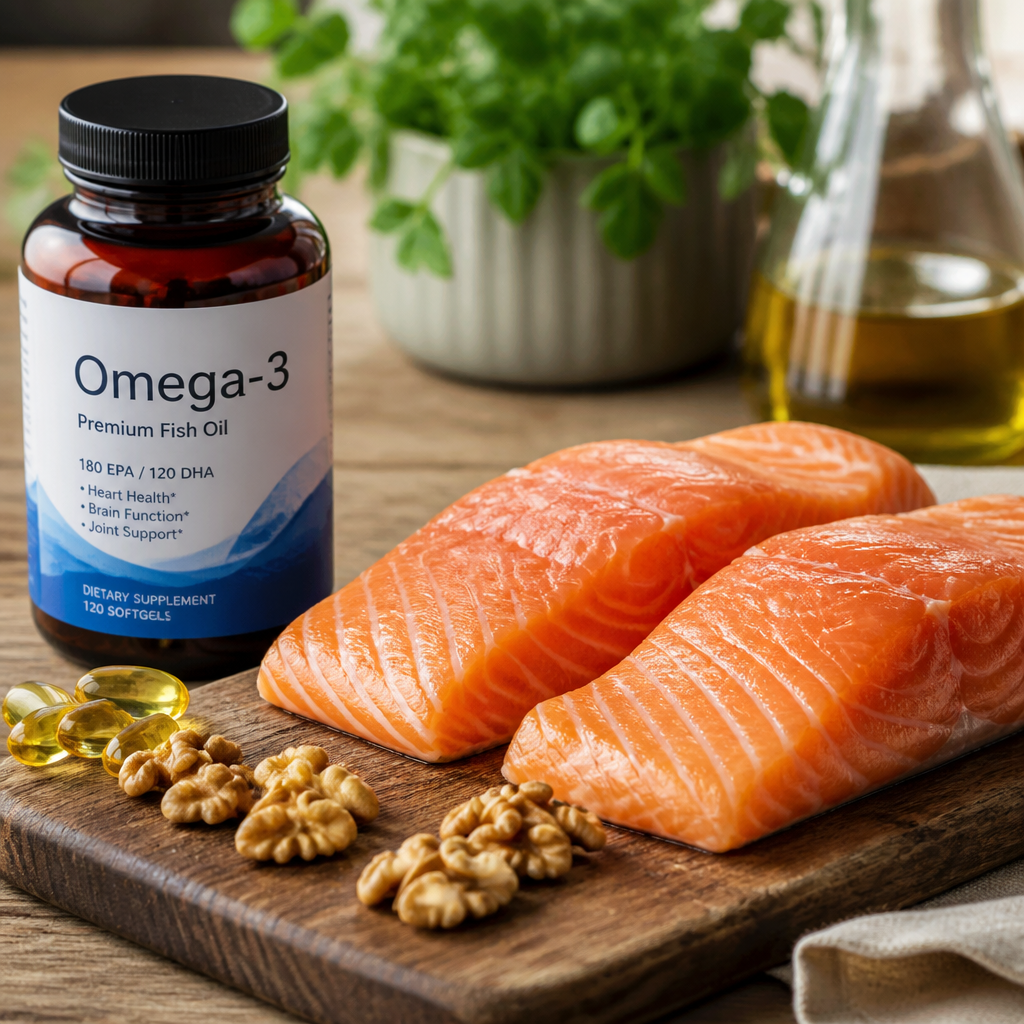
Fatty fish two to three times per week provides a meaningful omega-3 intake alongside vitamin D, protein, and in the case of sardines and anchovies, calcium directly. This combination makes oily fish one of the most bone-relevant foods available.
Should You Supplement?
If you eat fatty fish regularly (two or more servings per week), supplementation may not be necessary for bone-specific goals. If your fish intake is low — which is common — a fish oil or algae oil supplement providing 1–2g of EPA+DHA daily is a reasonable, low-risk option. Algae oil is the plant-based alternative that provides EPA and DHA directly, without the fish source, making it suitable for vegans and those who find fish oil disagreeable.
Look for supplements that are third-party tested for purity (heavy metals, PCBs) and that list the combined EPA+DHA content clearly — not just “omega-3s,” which can be misleading.
Part of a Broader Strategy
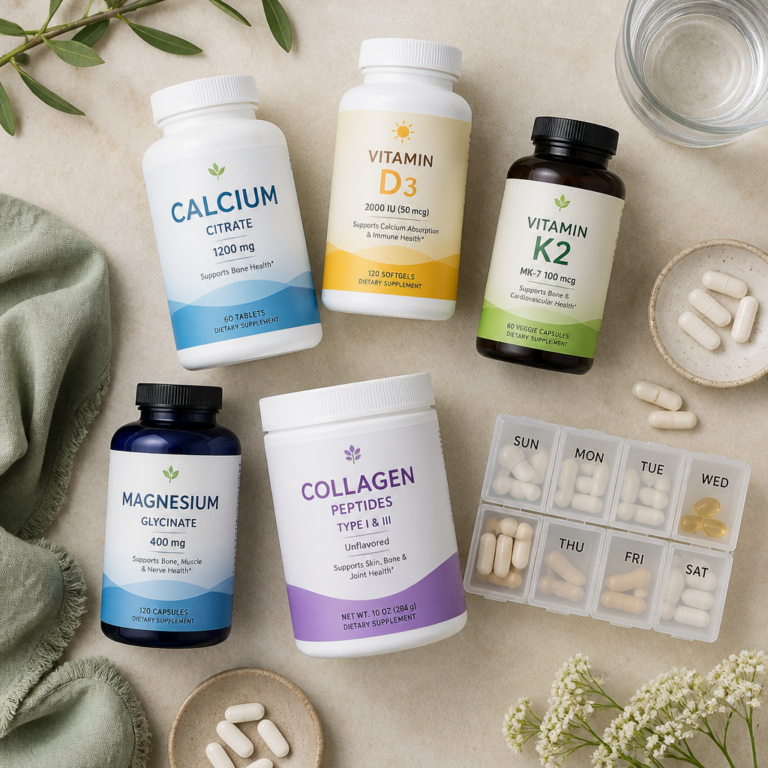
Omega-3s work best as part of an overall anti-inflammatory nutritional approach — alongside adequate calcium, vitamin D, K2, and magnesium, combined with weight-bearing exercise. For a structured program that brings these elements together in a practical daily format, The Bone Density Solution is worth exploring.
Omega-3s are not a bone health magic bullet. But as part of an intelligent, multi-faceted approach, they’re a sensible addition — especially when the same habit benefits your heart, brain, and inflammation levels simultaneously.
Related articles:
Anti-Inflammatory Foods That Support Bone Health
The Best Foods for Stronger Bones
Calcium, Vitamin D & Beyond: What Your Bones Need
The Bone Density Solution
A structured program specifically designed for adults over 50 to improve bone density through diet, exercise, and lifestyle changes. Takes an integrated approach to reducing fracture risk.
Check The Bone Density Solution →Affiliate link — we may earn a commission at no extra cost to you. Full disclosure.
Disclosure: This article contains affiliate links. We may earn a small commission if you purchase through our links, at no extra cost to you.
Medical disclaimer: This article is for informational purposes only and is not medical advice. Consult your physician before changing supplements, medications or exercise routines, especially if you have been diagnosed with osteopenia or osteoporosis. See our full medical disclaimer.