The Mediterranean Diet and Bone Health
Disclosure: We may earn a commission if you purchase through links on this page. This does not affect our editorial assessment. See our affiliate disclosure.
Disclosure: This article contains affiliate links. We may earn a small commission if you purchase through our links, at no extra cost to you.
The Mediterranean diet consistently tops rankings of the world’s healthiest dietary patterns — and for good reason. Its benefits for cardiovascular health, cognitive function, and longevity are extensively documented. What’s less often highlighted is a growing body of evidence supporting its benefits for bone health specifically.
What Is the Mediterranean Diet?
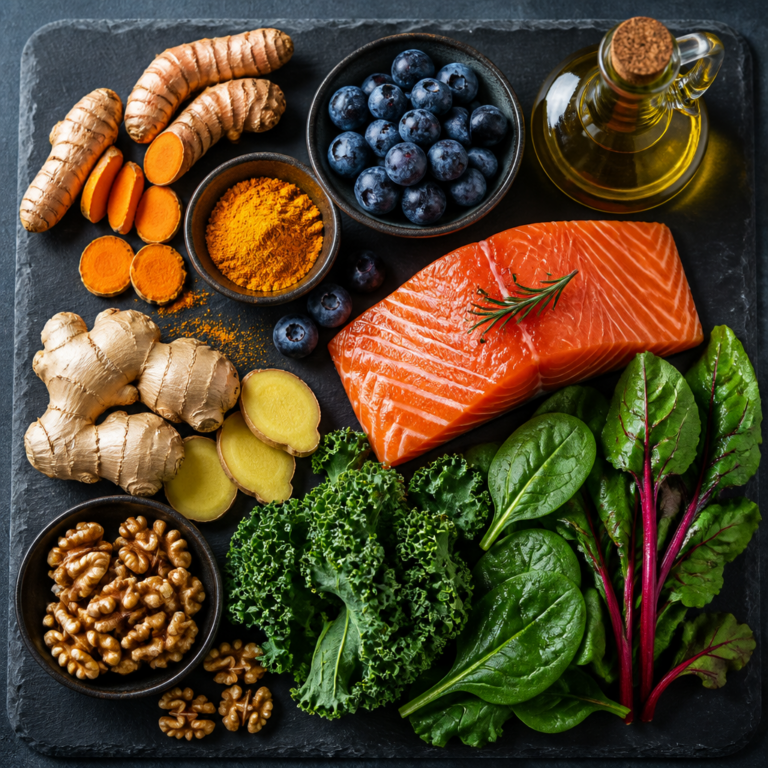
The Mediterranean diet is less a rigid plan and more a traditional eating pattern from southern European countries. Its key features: abundant vegetables, fruits, legumes, whole grains, nuts, and olive oil; moderate fish and seafood; moderate dairy; limited red meat and processed foods; and red wine in moderation with meals (though this is not a feature to adopt for health purposes in isolation).
How It Benefits Bone Health
The Mediterranean diet benefits bones through multiple overlapping mechanisms. It’s inherently anti-inflammatory — its high polyphenol content, omega-3 fatty acids from fish and walnuts, and low processed food content reduce systemic inflammation that drives bone resorption. It’s nutrient-dense in bone-relevant minerals: calcium from dairy and leafy greens, magnesium from nuts and legumes, vitamin K from vegetables and olive oil, and zinc from fish and legumes. It supports gut microbiome diversity through its high fiber content, which improves calcium absorption. And it maintains a healthy body weight, which has direct implications for bone loading and fracture risk.
What the Research Shows
A meta-analysis published in Osteoporosis International found that higher adherence to a Mediterranean dietary pattern was associated with significantly higher bone mineral density — particularly at the hip and femoral neck. The PREDIMED trial, one of the largest Mediterranean diet intervention studies, found favorable effects on bone turnover markers in participants following a Mediterranean diet enriched with olive oil.
Importantly, the Mediterranean diet’s benefits for bone health appear to be additive to other interventions — it enhances the effects of adequate calcium and vitamin D rather than replacing them.
Practical Application
You don’t need to transform your entire diet overnight. Start with a few key shifts: replace butter with extra virgin olive oil, eat fatty fish twice a week, add legumes to three or four meals per week, increase vegetable variety at each meal, and switch refined grains for whole grains. These changes alone move your dietary pattern meaningfully toward Mediterranean eating.
For a structured daily approach to bone-healthy eating and lifestyle, The Bone Density Solution integrates nutrition guidance with exercise and lifestyle habits for adults over 50.
Related articles:
Anti-Inflammatory Foods That Support Bone Health
The Best Foods for Stronger Bones
Omega-3 Fatty Acids and Bone Density
Sources and Further Reading
- NIAMS — Bone Health and Osteoporosis
- Bone Health & Osteoporosis Foundation
- Harvard Health — Bone Health for Life
This article is for educational purposes only and does not replace advice from a qualified healthcare professional.
Medical disclaimer: This article is for informational purposes only and is not medical advice. Consult your physician before changing supplements, medications or exercise routines, especially if you have been diagnosed with osteopenia or osteoporosis. See our full medical disclaimer.