Warning Signs of Low Bone Density After 50: When to Ask About Screening
Disclosure: We may earn a commission if you purchase through links on this page. This does not affect our editorial assessment. See our affiliate disclosure.
Bone loss is often called a “silent disease” — and for good reason. Most people have no idea their bones are weakening until something breaks. A wrist fracture from a minor fall. A compression fracture in the spine that explains months of back pain. A hip fracture that changes everything.
The frustrating truth is that osteoporosis rarely announces itself with obvious symptoms in its early stages. But your body does send signals — subtle ones that are easy to dismiss or attribute to normal aging. Knowing what to look for can make a real difference.
Why Bone Loss Goes Unnoticed for So Long
Bone is living tissue. It’s constantly being broken down and rebuilt in a process called remodeling. In your 20s and 30s, your body builds bone faster than it loses it. Around age 35, that balance starts to shift. After menopause, the drop in estrogen significantly accelerates bone loss in women — sometimes losing which can be significant for some women of bone density in the five to seven years following menopause.
None of this feels like anything. There’s no pain, no obvious sign. Which is why recognizing the indirect warning signs matters.
7 Warning Signs You Might Have Low Bone Density
1. You’ve Lost Height
Losing more than an inch of height compared to your tallest adult height can be a sign of vertebral compression fractures — small fractures in the spine caused by weakened bone. These fractures often happen without a dramatic fall or injury. Many people don’t even realize they’ve had one until it shows up on an X-ray. If your clothes seem longer or your posture has changed noticeably, it’s worth mentioning to your doctor.
2. Your Posture Is Becoming More Rounded
A stooped or forward-curved upper back — sometimes called a “dowager’s hump” — can develop when vertebrae in the upper spine fracture and compress. This isn’t just a cosmetic concern. It affects breathing, balance, and quality of life. If you or someone close to you notices that your posture has changed significantly, it warrants attention.
3. You’ve Had a Fracture from a Minor Incident
A fracture from a high-impact event like a car accident is expected. But breaking a bone from something like stumbling on a curb, bumping into a piece of furniture, or falling from standing height is not normal — it’s called a fragility fracture, and it’s one of the clearest signs that bone density may be compromised. The wrist, hip, and spine are the most common sites for osteoporotic fractures.
4. Your Back Pain Is Persistent and Unexplained
Chronic back pain — especially in the middle or lower back — can sometimes be caused by small vertebral fractures that happen without any obvious trauma. The pain may be sharp initially, then settle into a dull ache. If you have back pain that doesn’t improve with rest and hasn’t been explained by another cause, a bone density scan might be a useful next step.
5. Your Grip Strength Has Decreased
Research published in the Journal of Bone and Mineral Research has found associations between reduced grip strength and lower bone mineral density. Grip strength is considered a useful general marker of overall musculoskeletal health. If you’ve noticed it’s harder to open jars, carry bags, or hold objects firmly, it may be worth discussing with your doctor as part of a broader bone health assessment.
6. You Have Risk Factors That Often Go Alongside Low Bone Density
Certain health conditions and medications are strongly associated with bone loss. These include:
- Long-term use of corticosteroids (such as prednisone)
- Rheumatoid arthritis or other inflammatory conditions
- Celiac disease or Crohn’s disease (which affect nutrient absorption)
- Hyperthyroidism or hyperparathyroidism
- A history of eating disorders
- Early menopause (before age 45)
- A family history of osteoporosis or hip fractures
If any of these apply to you, proactive bone health monitoring is especially important — even if you feel completely fine.
7. Your Teeth or Nails Are Becoming More Brittle
While not a definitive indicator on its own, brittle nails and dental problems — particularly receding gums or loose teeth — can sometimes reflect calcium deficiency or poor bone metabolism. Jawbone density is affected by osteoporosis, and some research suggests that dentists can sometimes detect early signs of bone loss in dental X-rays before a formal diagnosis is made.
The Only Way to Know for Sure: A DEXA Scan
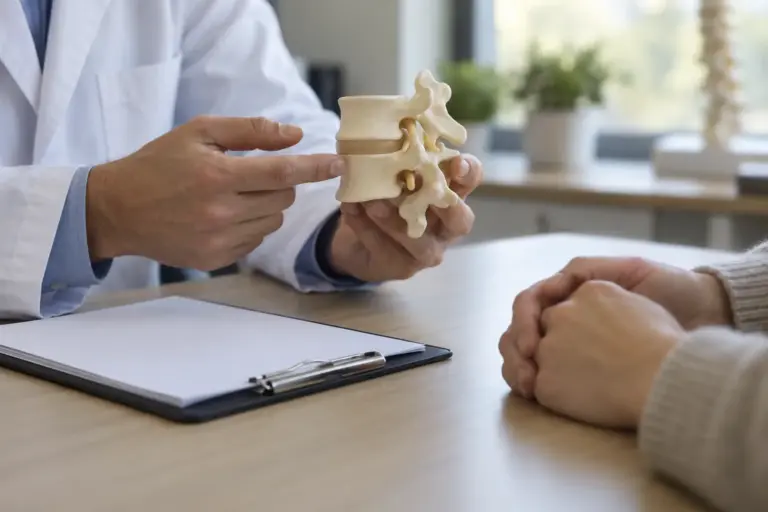
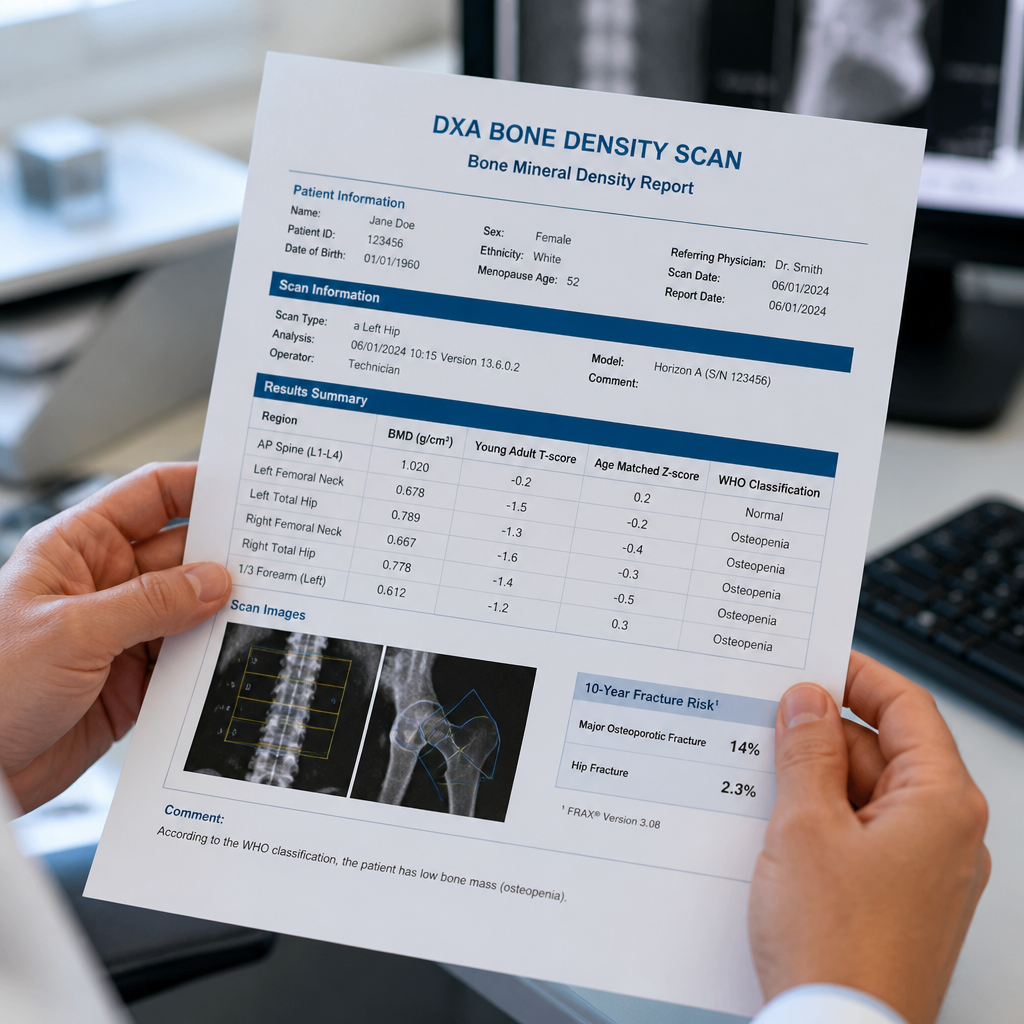
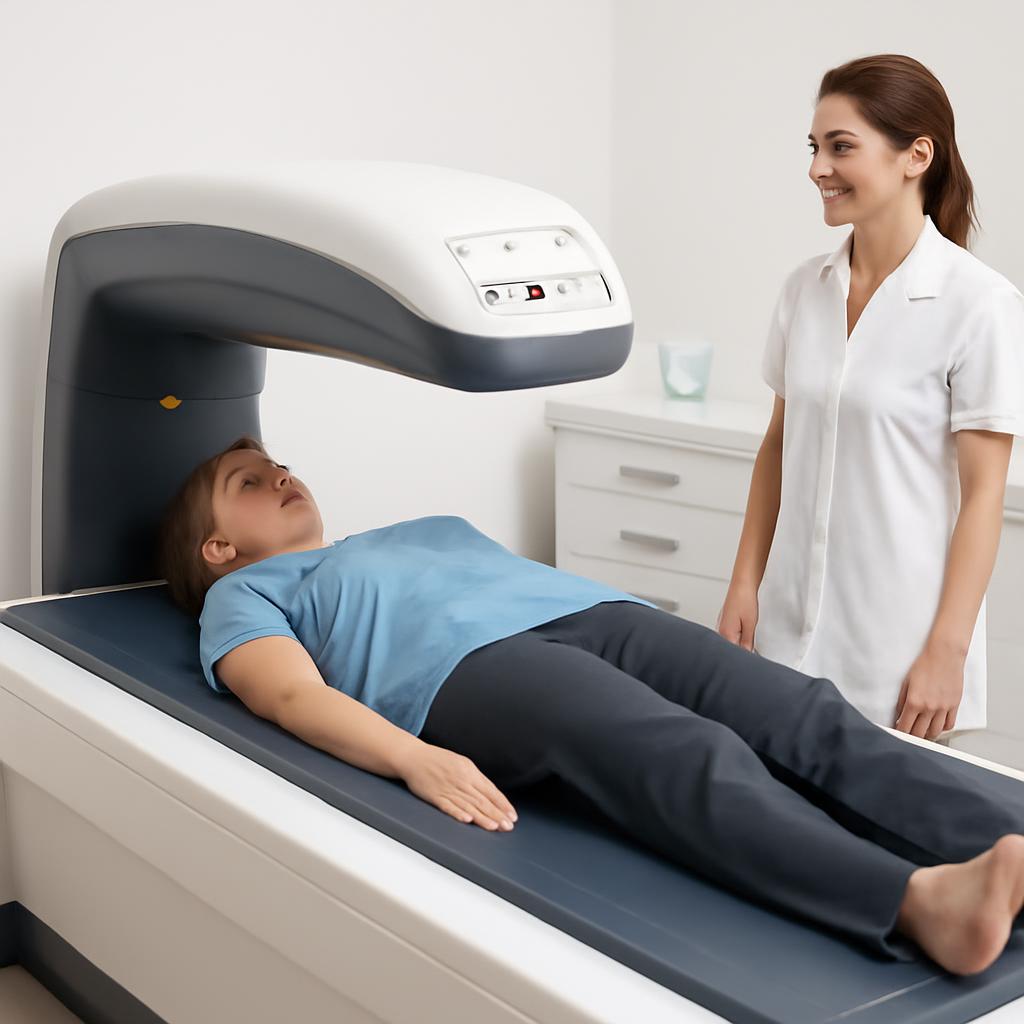
The definitive way to assess bone density is a dual-energy X-ray absorptiometry scan, commonly called a DEXA scan (or DXA scan). It’s a low-radiation imaging test that measures bone mineral density — typically at the hip and lumbar spine — and gives you a T-score.
- T-score above -1.0: Normal bone density
- T-score between -1.0 and -2.5: Osteopenia (lower than normal, but not yet osteoporosis)
- T-score below -2.5: Osteoporosis
The U.S. Preventive Services Task Force recommends DEXA screening for all women aged 65 and older, and for younger postmenopausal women with risk factors. If you haven’t had one and you’re over 50 with any of the risk factors above, ask your doctor whether it’s appropriate for you.
What You Can Do Now
If any of these warning signs resonate, the most important first step is to speak with your doctor and request a bone density test. From there, a combination of the right nutrition, targeted exercise, and appropriate supplementation can make a meaningful difference — especially when started early.
Bone health isn’t just about preventing fractures. It’s about maintaining the independence and mobility that let you live the life you want, for as long as possible.
For those looking for a structured, structured educational approach to bone-supportive habits. The Bone Density Solution is one resource that covers nutrition, movement and lifestyle guidance for adults over 50. It is not a medical treatment and does not replace professional care or prescribed medication.
Talk to Your Doctor
None of the signs described here constitute a diagnosis, and this article is not a substitute for professional medical advice. If you’re concerned about your bone health, the right next step is always a conversation with your healthcare provider.
Related articles:
7 Best Exercises to Improve Bone Density After 50
Calcium, Vitamin D & Beyond: What Your Bones Need
Osteoporosis Prevention: Habits That Make a Difference
Related Articles
Sources and Further Reading
- NIAMS — Osteoporosis: What You Need to Know
- Bone Health & Osteoporosis Foundation — What Is Osteoporosis?
- Mayo Clinic — Osteoporosis Symptoms and Causes
- Bone Health and Osteoporosis Foundation (BHOF). Bone Density Exam/Testing.
- Harvard Health Publishing. Osteoporosis: What you need to know as you age.
This article is for educational purposes only and does not replace advice from a qualified healthcare professional.
The Bone Density Solution
A structured program specifically designed for adults over 50 to improve bone density through diet, exercise, and lifestyle changes. Takes an integrated approach to reducing fracture risk.
Check The Bone Density Solution →Affiliate link — we may earn a commission at no extra cost to you. Full disclosure.
Disclosure: This article contains affiliate links. We may earn a small commission if you purchase through our links, at no extra cost to you.
Medical disclaimer: This article is for informational purposes only and is not medical advice. Consult your physician before changing supplements, medications or exercise routines, especially if you have been diagnosed with osteopenia or osteoporosis. See our full medical disclaimer.
Looking for a structured approach? Read a structured lifestyle program for bone health — a programme covering nutrition, exercise, supplements and lifestyle for adults in the osteopenia range.