Can You Reverse Osteoporosis Without Drugs? An Honest Look
Disclosure: We may earn a commission if you purchase through links on this page. This does not affect our editorial assessment. See our affiliate disclosure.
The scan comes back, the word osteoporosis lands, and within about an hour most people are typing the same thing into a search bar: is there a way to fix this without going on a drug for the rest of my life? It is a fair thing to want. You have heard the stories about jaw problems and weird thigh fractures, a friend had a bad time with her prescription, and somewhere online a very confident website is promising that the right food and the right exercises will “reverse osteoporosis naturally” and you can skip the pharmacy altogether. If that is roughly where your head is right now, you are in good company, and you deserve a straight answer.
So here is the straight answer, and it is not the tidy one either side likes to sell. Lifestyle matters. Sometimes it matters a great deal. But whether you can safely handle osteoporosis without medication comes down to two things you cannot wish away: how much bone you have already lost, and whether you have already broken something. Get honest about those two facts and the rest of the decision gets a lot clearer.
It depends where you sit on the spectrum
Osteoporosis is not one condition with one answer. It is a range, and where you fall on it changes everything about what comes next.
If what you actually have is osteopenia — mildly low bone density, a T-score somewhere between −1.0 and −2.5 — the outlook is genuinely encouraging. Bone loss at this stage is often manageable without drugs. Weight-bearing and resistance exercise, enough calcium and vitamin D, decent protein, quitting cigarettes, easing off the wine: done seriously and kept up, that kind of program can slow the slide and, in some people, nudge density back up a little. Plenty of people with osteopenia and no other red flags do fine watching it this way rather than medicating. (If the two labels blur together for you, our guide to osteoporosis vs osteopenia lays out the difference.)
If you have crossed into genuine osteoporosis — a T-score of −2.5 or lower — or if you have already had a fracture from a minor fall or knock, the honest answer shifts. Lifestyle still helps, and it is still absolutely worth doing. But on its own it usually cannot pull your bones back into a safe range, and more to the point, it cannot cut your fracture risk the way medication can. Turning down recommended treatment here carries a real, measurable chance of breaking a bone. That is not a sales pitch for the drug companies; it is simply what the fracture data keep showing.
Which is why the useful framing is almost never drugs versus nature. It is both: get everything lifestyle has to offer, and make an informed call about medication with your doctor. The two are not rivals.
What your own effort can genuinely do
Do not let anyone talk you out of the lifestyle work as though it were a consolation prize. The evidence behind it is solid, and unlike a lot of this, it is entirely in your hands.
It slows the losing, for one. After menopause and with the years, bone remodelling tips toward breakdown, and getting enough calcium (most guidelines land around 1,200 mg a day for women over 50, ideally from food rather than tablets), enough vitamin D, and enough protein helps your body keep pace. No miracles there, but it slows the bleeding. Push further with progressive resistance training and some high-impact or weight-bearing work and you can actually add a little density back, usually a few percent, often at the spine and hip. The gains are real but modest, and they are conditional: bone responds to load and quietly gives the gains back when you stop, so this is a keep-going commitment, not a six-week fix. Our rundown of the best exercises to improve bone density after 50 covers what earns its place.
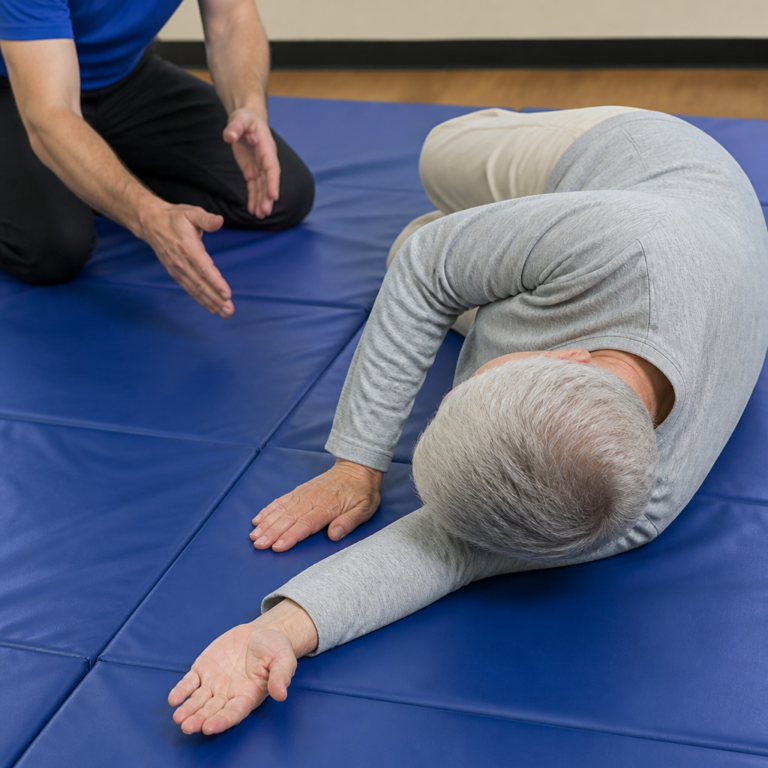
And then there is the benefit almost nobody talks about, which may be the biggest one of all: not falling. Most osteoporotic fractures happen because a person goes down. Balance work, leg strength, steadier walking — these change how often you fall and how hard you land. Your density number can barely budge and you can still meaningfully cut your fracture rate just by staying upright more reliably. That is an enormous lever, and it is entirely yours to pull. For the fuller picture, our pillar guide on how to reverse bone loss naturally walks through the whole strategy.
And where it runs out of road
Here is the part the “natural cure” pages tend to skate right past, and it is the part you most need said plainly.
Lifestyle usually cannot fully reverse established osteoporosis. If your T-score is −2.8, no amount of kale, walking, and supplements is realistically going to carry you back to −1.0. Those few-percent gains from training are worth having, but they do not close a gap that wide, and anyone promising a clean “reversal” of real osteoporosis through diet alone is selling you something. Just as important, lifestyle has not been shown to match what medication does for fracture risk. In people with established osteoporosis, bisphosphonates and the other bone drugs have cut spine and hip fractures substantially in large trials. Lifestyle measures, for all their value, have not delivered anything close to that level of protection in high-risk patients. And that is the whole game — the goal was never really the number on the scan, it was not breaking a bone, and on that specific question medication currently holds the strongest hand.
None of which is a cure, to be clear. There is no cure for osteoporosis, drug or natural. There is only managing it well enough to keep you in one piece.
What “doing nothing” actually means
Declining recommended treatment is a legitimate choice to make. It just needs to be an informed one, which means looking squarely at what you would be accepting.
The main hazard is the fracture cascade. Break one bone from osteoporosis and your odds of breaking another climb sharply, often inside the following year or two. A first spine fracture — which can arrive with something as ordinary as a hard cough or hoisting a suitcase — roughly multiplies the chances of more. And spine fractures are easy to underrate, because a lot of them are quiet at first; you may not feel the moment it happens. Let them accumulate, though, and they bring height loss, a stooping posture, chronic back pain, even squeezed lung and digestive room. Hip fractures are graver still: surgery is common, independence often does not fully return, and for older adults there is a real risk of death in the year that follows. Those outcomes are precisely what treatment exists to prevent, which is why “doing nothing” is not the neutral, wait-and-see option it can feel like. It is actively accepting that risk.
Walking into the conversation prepared
You want a shared decision, not a lecture you sit through, and the way to get there is to show up talking about your actual numbers rather than a one-word diagnosis. Ask about your FRAX score. FRAX is a widely used tool that estimates your ten-year probability of a major fracture, blending your bone density with things like age, prior fractures, family history, smoking, and steroid use. It turns a vague dread into a figure, and treatment thresholds often hang off it. Someone with a T-score of −2.5 and nothing else stacked against them is in a very different spot than someone with the same score plus a fracture already behind them.
Be just as direct about the side effects that worry you — that caution is reasonable, not silly. The rare long-term bisphosphonate risks that dominate the search results, osteonecrosis of the jaw and atypical femur fractures, are real but genuinely uncommon, and for someone at true fracture risk the benefit usually outweighs those low-probability harms. We go through them properly in bisphosphonates side effects explained, and you can line up the main options in our overview of osteoporosis medications compared. While you are at it, ask about drug holidays, because few people stay on a bisphosphonate forever; after several years some patients can take a supervised break, since the drug lingers in bone and keeps offering a measure of protection. Knowing it need not be a life sentence makes the whole thing feel less final.
The both-and answer
If you carry one idea out of all this, make it this: the smart response to an osteoporosis diagnosis is rarely to pick a side. It is to do both, sized to your own risk. Osteopenia with low overall risk? A serious lifestyle program, watched with follow-up scans, can be a perfectly sensible first move without drugs. Established osteoporosis, or a fracture already on the record? The responsible path is usually to build the strongest lifestyle foundation you can and give medication real consideration to bring your fracture risk down while you do it. Lifestyle makes any drug work in a healthier body; the drug buys you fracture protection lifestyle alone cannot. Together they give you the best shot at the thing you actually care about, which is staying unbroken, upright, and living on your own terms.
If the food-and-exercise side is where you want to start building that foundation, a structured plan can help you stay consistent instead of guessing. One we point readers to is The Bone Density Solution, which organizes the diet, movement, and lifestyle pieces into a follow-along program for adults over 50 — useful as a companion to your doctor’s plan, never a substitute for it. If you want the detail before you decide, we went through the program chapter by chapter.
Sources
- National Institute of Arthritis and Musculoskeletal and Skin Diseases (NIAMS) — Osteoporosis
- Bone Health & Osteoporosis Foundation (BHOF)
- NHS — Osteoporosis
- Mayo Clinic — Osteoporosis
The Bone Density Solution
A structured program designed for adults over 50 to support bone density through diet, exercise, and lifestyle changes — an integrated approach to reducing fracture risk. Best used alongside, not instead of, professional medical care.
Check The Bone Density Solution →Affiliate link — we may earn a commission at no extra cost to you. Full disclosure.
Medical disclaimer: This article is for informational purposes only and is not medical advice. Consult your physician before changing or declining any medication. See our full medical disclaimer.