Bone Density Screening After 50: Do You Need a DEXA?
Disclosure: We may earn a commission if you purchase through links on this page. This does not affect our editorial assessment. See our affiliate disclosure.
Nobody feels their bones getting thinner. That is the strange thing about bone loss after 50: it happens quietly, year after year, and for a lot of people the first real signal is a wrist that snaps on an icy step or a hip that gives way after a stumble that should have been nothing. By then you are reacting rather than preventing. It is worth catching up with your skeleton before it forces the issue.
The pace of that loss picks up after 50, and faster still for women in the years around menopause. What surprises most people is how much of it is negotiable. You cannot switch ageing off, but the everyday choices you make about screening, what is on your plate, how you move, and how safe your home is genuinely change how strong your skeleton stays and how well it holds up if you go down. None of this is exotic or expensive. Most of it you can start this week.
A quick word on expectations before we go further. Nothing here cures osteoporosis or magically reverses years of loss, and anyone promising that is selling you something the evidence does not support. What a steady, sensible routine can do is slow further decline, support the bone you already have, and meaningfully cut your odds of a fracture. Think of what follows as a map rather than a prescription, and take your questions to a doctor who actually knows your history.
Start by knowing your numbers
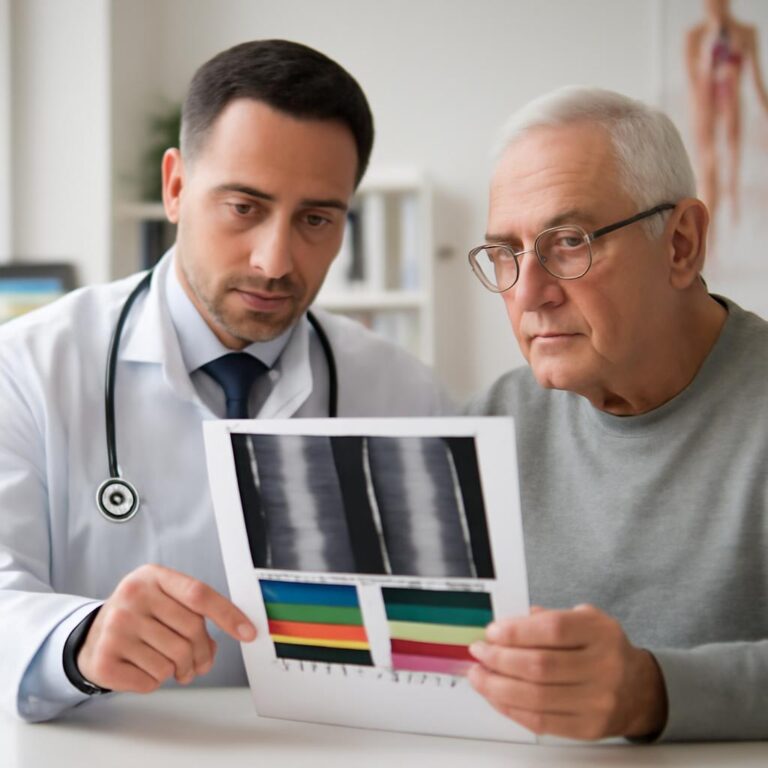
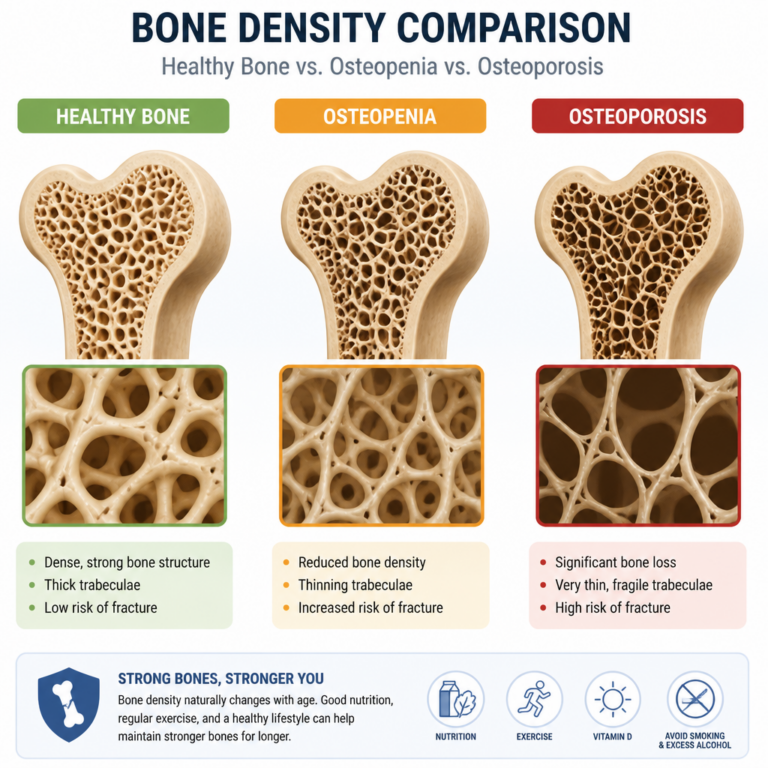
Because you cannot feel bone loss, guessing is pointless. You need a measurement. The standard one is a DEXA scan (sometimes written DXA), a quick, low-radiation X-ray that reads your bone mineral density and hands you a T-score. That single number tells you whether you are in normal territory, in the low-bone-mass zone doctors call osteopenia, or into osteoporosis, and it changes everything about what you do next. As a rough guide, a T-score above -1.0 is normal, between -1.0 and -2.5 is low bone mass, and -2.5 or below points to osteoporosis.
Whether it is time to ask for that scan depends on where you sit. General guidance points to women 65 and older and men 70 and older, but plenty of people should raise it earlier: anyone with a past fracture from a minor fall, a history of long-term steroid use, early menopause, or osteoporosis running in the family. It is a reasonable thing to bring up at a routine appointment even if nobody has mentioned it to you. Many doctors will also run your results through FRAX, a calculator that folds your density together with personal risk factors to estimate your ten-year fracture probability, which often paints a more honest picture than density alone. If you have had a scan before, keep the report; follow-ups usually come every one to two years depending on your results and any treatment. If you are still weighing whether to push for testing, our guide to the warning signs of low bone density walks through the signals worth taking seriously.
The bone-building basics, in brief
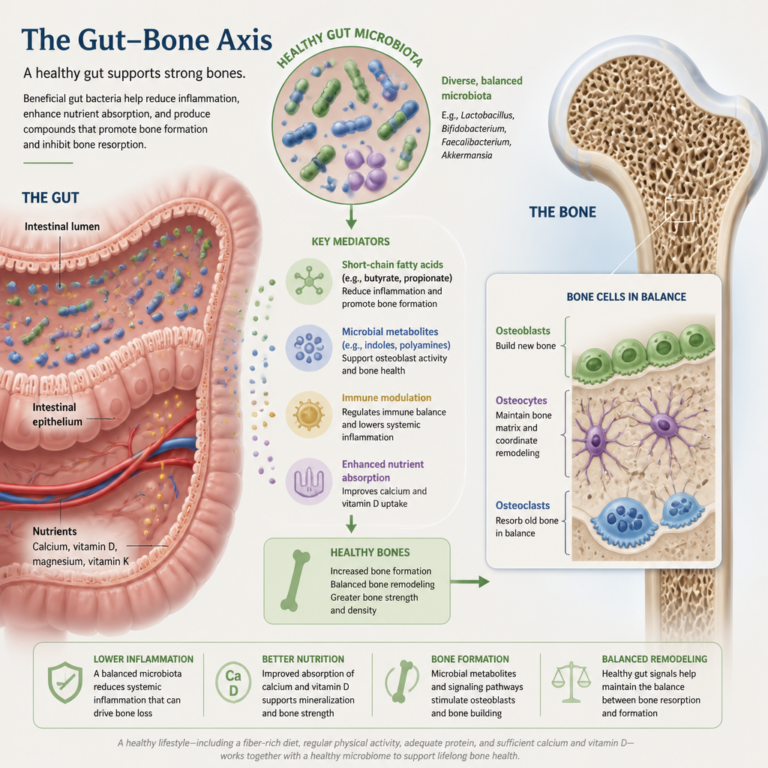
Once you know your numbers, the day-to-day work is fairly settled: roughly 1,000 to 1,200 mg of calcium and 800 to 1,000 IU of vitamin D a day, protein spread across your meals, strength training two or three times a week alongside weight-bearing movement like brisk walking or stairs, and honest limits on smoking and alcohol. We work through all of it in our guide on how to increase bone density after 50, with the shopping list in our roundup of the best foods for stronger bones and the routine itself in the best exercises to improve bone density after 50. The rest of this page stays on what comes first: the scan, the medication review, and keeping yourself off the floor.
Have the conversation about medications and conditions
Here is a part people miss: certain conditions and medicines can speed up bone loss without ever announcing themselves. Long-term corticosteroids such as prednisone are the best-known offender and warrant monitoring, but they are not alone. Some treatments used in breast and prostate cancer, certain anti-seizure drugs, and long-term high-dose acid reducers can all affect bone, and conditions like rheumatoid arthritis, coeliac disease, thyroid disorders, and early menopause can play a part too. The important thing is that this is a conversation, not a solo project. Never stop a prescription on your own; instead, bring a full list of everything you take, supplements included, to your next appointment. A five-minute review can flag risks worth managing, and if your density is already low, it is the moment to ask whether a bone-protective medication makes sense for you.
That last point deserves a straight answer, because so many people wonder whether lifestyle changes are enough or whether they will need medication. It genuinely depends on your density and your overall fracture risk. For low bone mass, the everyday measures in this article are often the main event. For diagnosed osteoporosis or a high fracture risk, doctors frequently recommend medication alongside those measures rather than instead of them. Several effective options exist, and the right choice hangs on your DEXA results and your history, which is exactly why it is a decision to make with your provider rather than from an article. If you want the fuller picture of what building density really involves, our guide on how to increase bone density after 50 goes into more depth. And if you are wondering whether any of this can undo damage already done, the realistic answer is that the right mix of nutrition, strength and weight-bearing exercise, and sometimes medication can slow loss and, for some people, nudge density modestly upward, but results vary and no single approach guarantees reversal. The sensible goal is to protect what you have and lower your fracture risk.
Make falls far less likely
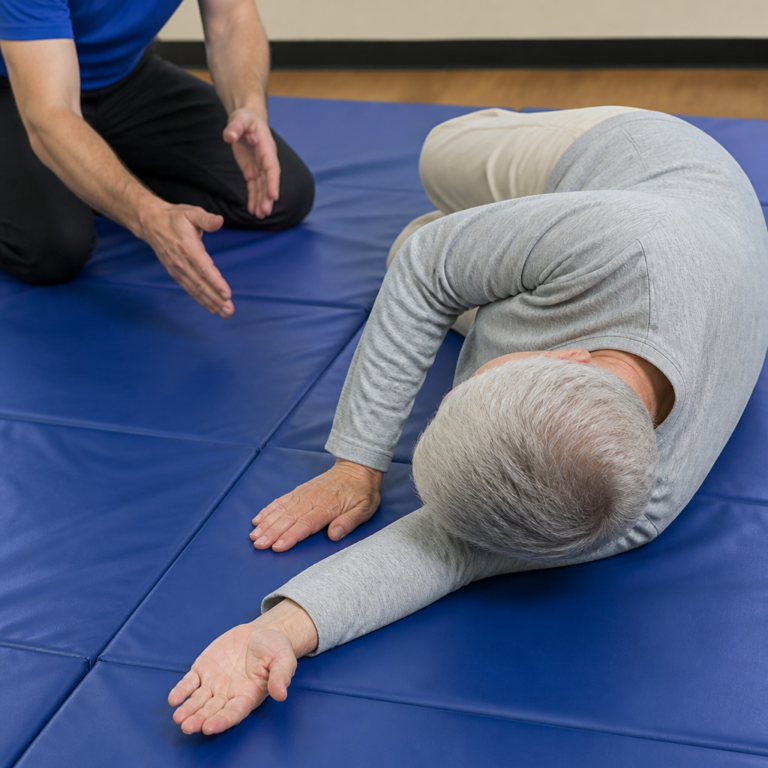
Strong bones matter most precisely because they resist fractures, and the plain fact is that most fractures after 50 happen in a fall. That makes fall-proofing one of the highest-value things you can do, and most of it is refreshingly simple, more DIY than medicine. A quick pass through your home covers most of it:
- Clear the walkways. Loose rugs, trailing cords, and clutter on floors and stairs are the usual tripping hazards.
- Light the path. Add nightlights on the route to the bathroom and keep stairways bright.
- Add grab bars and rails in the bathroom and along stairs wherever you want something to hold.
- Look after your feet and eyes. Supportive, non-slip footwear plus up-to-date vision and hearing checks all cut your risk.
- Keep training your balance. Tai chi, standing drills, or yoga steady you on your feet, and steadier feet are the most direct fracture insurance there is.
Taken together, these steps are not a grand plan, just a handful of small, dull, effective changes. That is really the theme running through all of this. Bone health after 50 is not won with one heroic effort but with a set of ordinary habits kept up over time, checked in with a doctor who knows your situation, and adjusted as your own numbers tell you more.
Sources
- National Institute of Arthritis and Musculoskeletal and Skin Diseases (NIAMS) – Osteoporosis
- Bone Health & Osteoporosis Foundation (BHOF)
- NHS – Osteoporosis
- Mayo Clinic – Osteoporosis
If you would like a structured routine to follow alongside your doctor’s guidance, one program we point readers to is The Bone Density Solution, which pulls diet, exercise, and lifestyle changes into a single plan for adults over 50; our full write-up of the program goes through what it covers and where it falls short. Treat it as a supplement to professional care, not a substitute for it.
The Bone Density Solution
A structured program designed for adults over 50 to support bone density through diet, exercise, and lifestyle changes — an integrated approach to reducing fracture risk. Best used alongside, not instead of, professional medical care.
Check The Bone Density Solution →Affiliate link — we may earn a commission at no extra cost to you. Full disclosure.
Medical disclaimer: This article is for informational purposes only and is not medical advice. See our full medical disclaimer.