The Best Foods for Bone Health After 50
Disclosure: We may earn a commission if you purchase through links on this page. This does not affect our editorial assessment. See our affiliate disclosure.
After 50, getting enough calcium, vitamin D, protein and magnesium from food becomes more important — and often more difficult — than it was in earlier decades. Absorption rates decline, appetite can change, and many people unknowingly fall short of what their bones actually need.
This guide covers the foods most consistently supported by nutritional research as beneficial for bone health in older adults, along with practical notes on how much you actually need and where to focus first.
Quick Answer: The Best Foods for Bone Health After 50
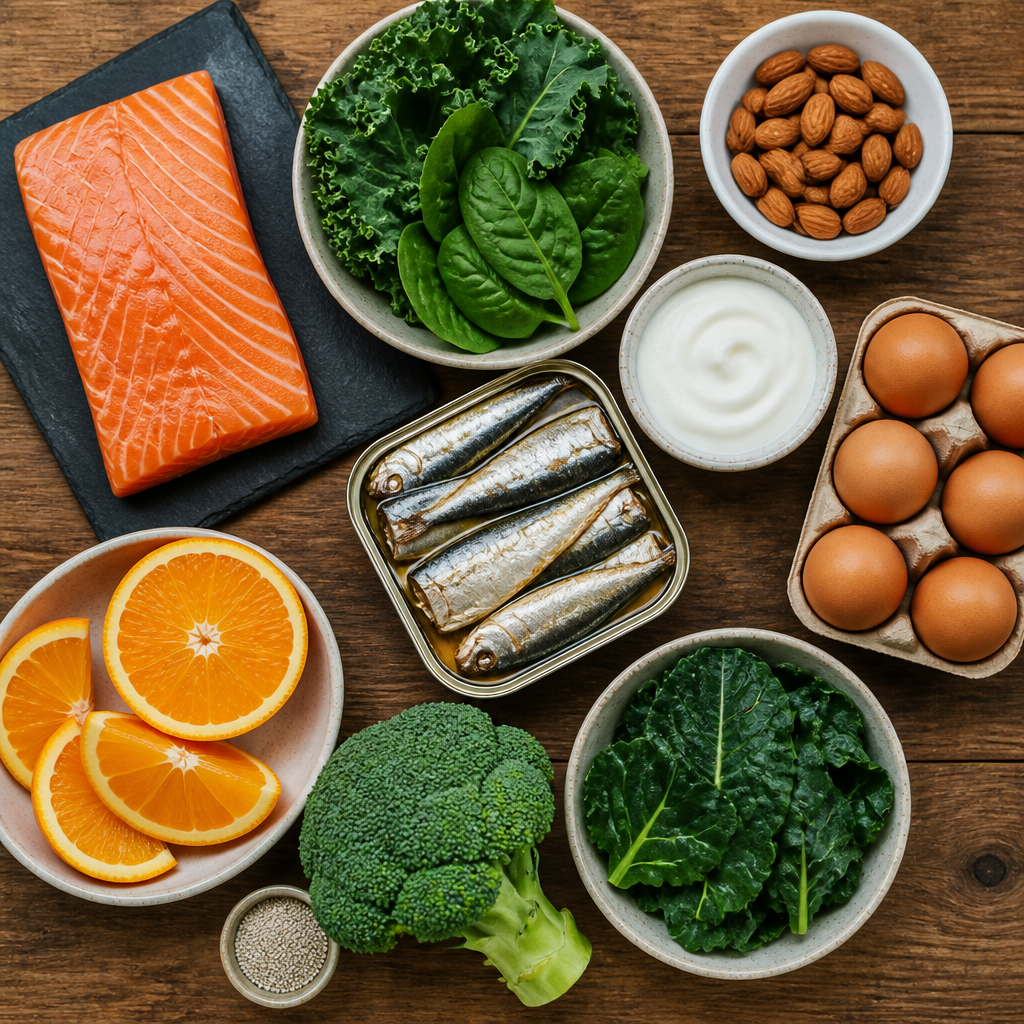
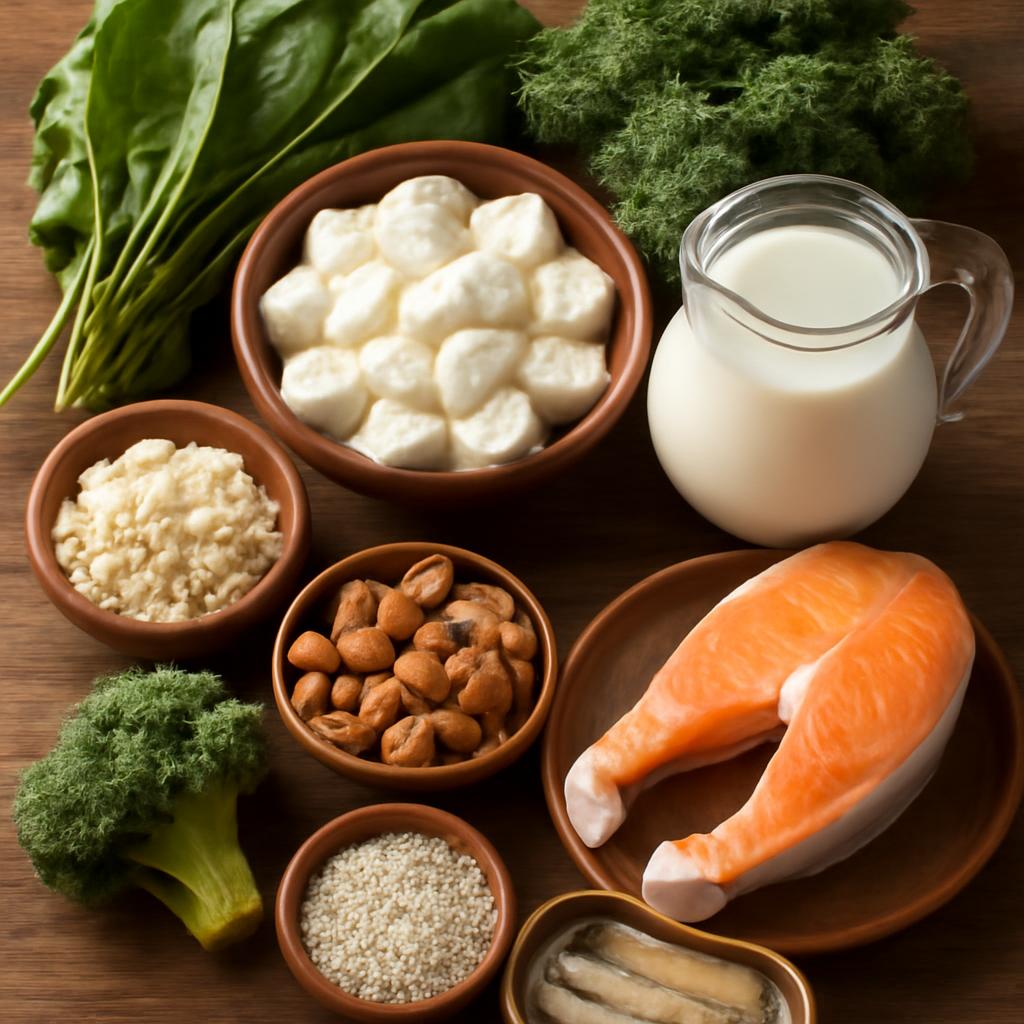
The foods most consistently associated with bone health provide calcium, vitamin D, protein, magnesium and vitamin K2 — the key nutrients bones rely on. Dairy products, leafy greens, fatty fish, eggs, legumes and fortified foods are the most practical sources for most adults.
The Key Nutrients — and Where to Find Them
Calcium
Calcium is the primary mineral in bone tissue. Adults over 50 typically need around 1,000–1,200 mg per day, according to the NIH Office of Dietary Supplements — and most older adults do not consistently reach this through diet alone.
Best food sources:
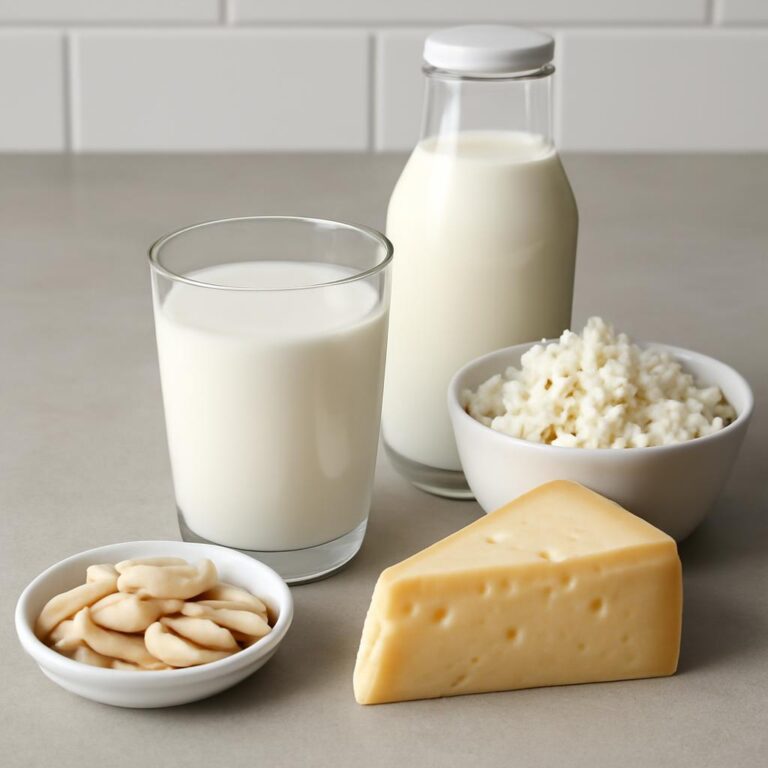
- Plain yogurt (plain, low-fat): ~415 mg per cup
- Hard cheese (e.g. cheddar): ~200 mg per 30g serving
- Cow’s milk or fortified plant milk: ~300 mg per cup
- Canned sardines with bones: ~325 mg per 85g serving
- Canned salmon with bones: ~180 mg per 85g serving
- Firm tofu (made with calcium sulphate): ~250–350 mg per half cup
- Cooked kale or bok choy: ~90–160 mg per cup
Vitamin D
Vitamin D is required for calcium absorption in the gut. Without adequate vitamin D, you can consume plenty of calcium and still absorb relatively little of it. Few foods are naturally rich in vitamin D — the main sources are fatty fish, egg yolks and fortified products.
Best food sources:
- Salmon (cooked): ~570–700 IU per 85g serving
- Canned tuna in water: ~150 IU per 85g
- Egg yolk: ~40 IU per large egg
- Fortified cow’s milk: ~100 IU per cup
- Fortified plant-based milk: varies — check the label
- Fortified breakfast cereals: varies — check the label
Many adults over 50 — especially those with limited sun exposure — have insufficient vitamin D levels. If you are concerned, ask your doctor to test your 25-hydroxyvitamin D level before supplementing.
Protein
Protein makes up roughly 50% of bone volume. Research suggests that older adults may benefit from higher protein intake than current general guidelines recommend — particularly in combination with resistance exercise. Aim for adequate protein at each meal rather than relying on one large serving.
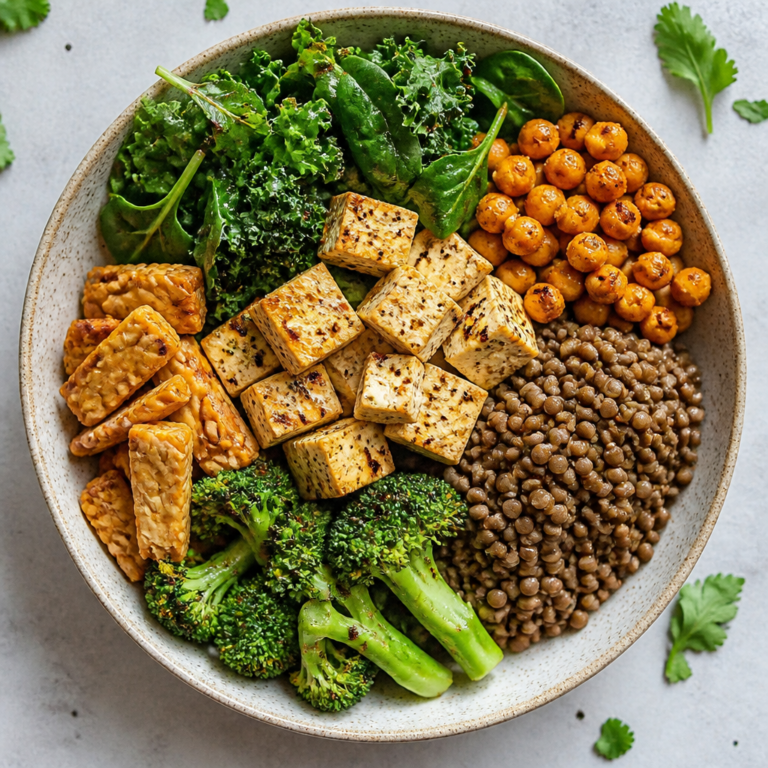
Good sources: eggs, chicken, fish, Greek yogurt, cottage cheese, legumes (lentils, chickpeas, black beans), edamame and tofu.
Magnesium
About 60% of the body’s magnesium is stored in bone. Magnesium is involved in bone mineralisation and in the activation of vitamin D. Many adults over 50 consume less than the recommended amount.
Best food sources: pumpkin seeds, almonds, dark leafy greens (spinach), black beans, avocado, whole grains, dark chocolate.
Vitamin K2
Vitamin K2 helps direct calcium into bone rather than soft tissue. It is found primarily in fermented foods and some animal products, making it easy to miss in a typical Western diet. Good sources include natto (fermented soya beans), some aged cheeses, egg yolks and chicken liver.
Practical Bone-Health Eating: At a Glance
| Nutrient | Why it matters | Top food sources |
|---|---|---|
| Calcium | Primary mineral in bone tissue | Yogurt, milk, sardines, tofu, kale |
| Vitamin D | Required for calcium absorption | Salmon, tuna, egg yolk, fortified milk |
| Protein | ~50% of bone volume | Eggs, fish, legumes, Greek yogurt |
| Magnesium | Bone mineralisation, is required for vitamin D metabolism | Pumpkin seeds, almonds, spinach, beans |
| Vitamin K2 | Directs calcium into bone | Natto, aged cheese, egg yolk |
Foods That May Interfere With Bone Health
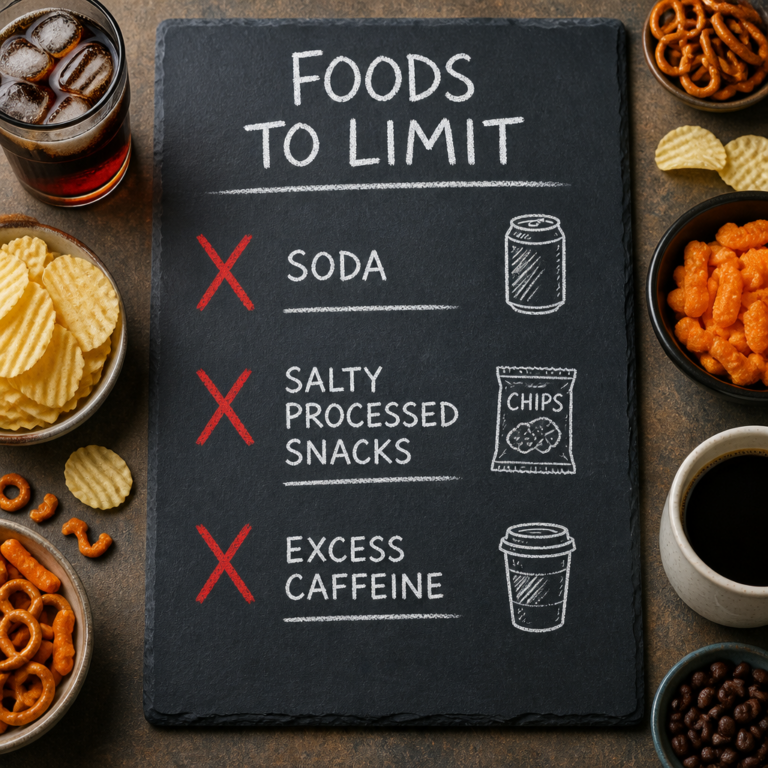
No single food dramatically harms bones when consumed in moderation, but a few patterns are worth knowing about:
- Very high sodium intake: may increase urinary calcium excretion over time
- Excessive alcohol: associated with lower bone density, particularly with heavy long-term use
- Very high caffeine intake: may modestly affect calcium absorption — relevant mainly if overall calcium intake is low
- Low-protein diets: linked to lower bone density in older adults in some studies
The evidence on individual foods is often overstated. Overall dietary pattern matters more than avoiding or loading any single item.
Who Should Be Especially Careful
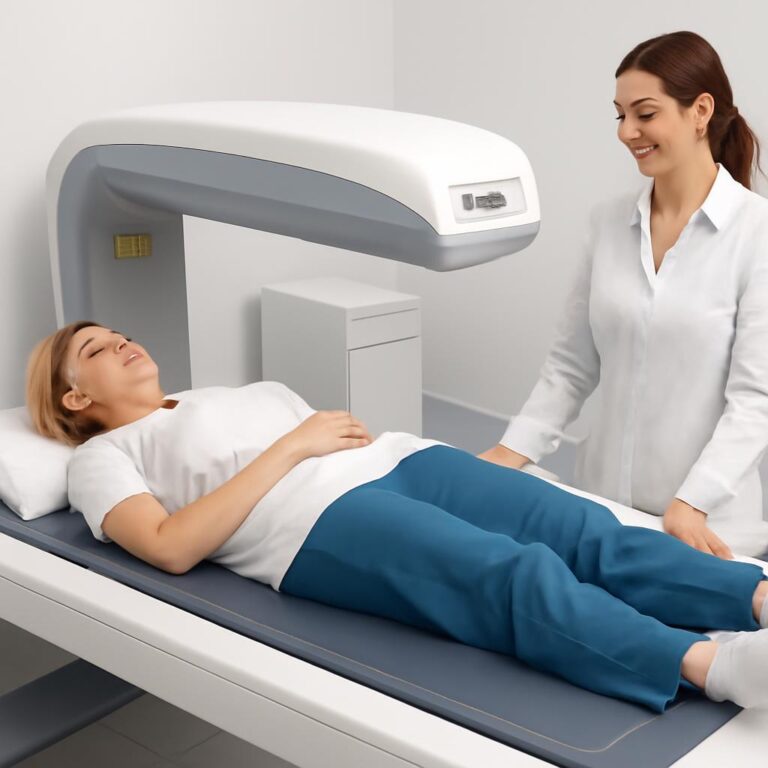
Speak with a healthcare professional before making significant dietary changes if you have: diagnosed osteoporosis, kidney disease (which affects calcium and phosphorus management), celiac disease or another condition affecting nutrient absorption, or if you are taking medications that interact with calcium or vitamin D.
Frequently Asked Questions
What is the single best food for bone health after 50?
There is no single “best” food. Bone health depends on a combination of nutrients — calcium, vitamin D, protein and magnesium — so variety matters more than any one choice. Dairy products (yogurt, milk, cheese) are among the most efficient sources of bone-supportive nutrients combined, but they are not the only option.
Can you get enough calcium without dairy?
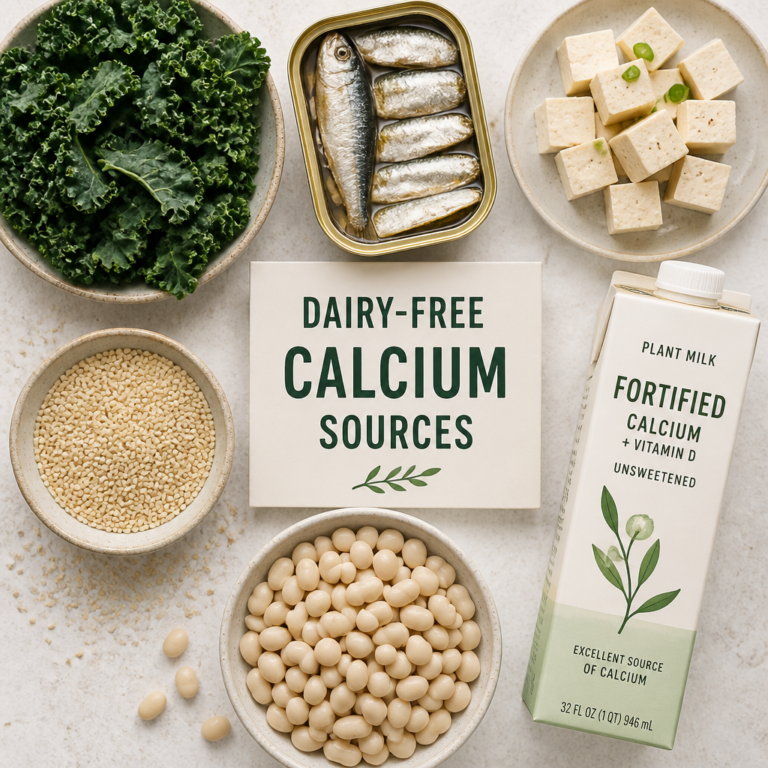
Yes. Canned fish with bones, fortified plant milks, firm tofu, leafy greens and legumes can collectively provide adequate calcium for most adults. Absorption rates vary between food sources, so it helps to spread intake across meals rather than relying on one source.
Do I need supplements if I eat well?
Not necessarily. A well-planned diet can meet most bone health nutrient needs, but vitamin D is difficult to obtain from food alone, and many adults over 50 have insufficient levels. A blood test from your doctor is the most reliable way to assess whether you need to supplement.
What about calcium supplements — are they safe?
Calcium supplements are widely used, but higher doses may carry risks for some people — including kidney stones and, in some research, cardiovascular concerns. The current guidance from most health authorities is to prioritise food sources first and use supplements to fill genuine gaps, at the lowest effective dose. Always discuss with your doctor before starting calcium supplements, especially if you have kidney disease or take other medications.
Related Articles
Sources and Further Reading
- NIH Office of Dietary Supplements — Calcium
- NIH Office of Dietary Supplements — Vitamin D
- Bone Health & Osteoporosis Foundation — Calcium and Vitamin D
- Harvard Health — Bone Health for Life
- NHS — Calcium
This article is for educational purposes only and does not replace advice from a qualified healthcare professional.
The Bone Density Solution
A structured program specifically designed for adults over 50 to improve bone density through diet, exercise, and lifestyle changes. Takes an integrated approach to reducing fracture risk.
Check The Bone Density Solution →Affiliate link — we may earn a commission at no extra cost to you. Full disclosure.
Medical disclaimer: This article is for informational purposes only and is not medical advice. Consult your physician before changing supplements, medications or exercise routines, especially if you have been diagnosed with osteopenia or osteoporosis. See our full medical disclaimer.
Looking for a structured approach? Read our review of The Bone Density Solution — a programme covering nutrition, exercise, supplements and lifestyle for adults in the osteopenia range.