
How to Create a Bone Health Exercise Routine at Home
Disclosure: This article contains affiliate links. We may earn a small commission if you purchase through our links, at no extra cost to you.
A gym membership helps — but it’s not a requirement for effective bone health exercise. With minimal equipment and a clear plan, you can build a home exercise routine that covers the key bases: weight-bearing activity, resistance training, and balance work. Here’s exactly how to do it.
The Three Pillars of Bone Health Exercise
Weight-bearing cardio stresses the skeleton through body weight and gravity. Examples: walking, marching in place, step-ups, low-impact aerobics.
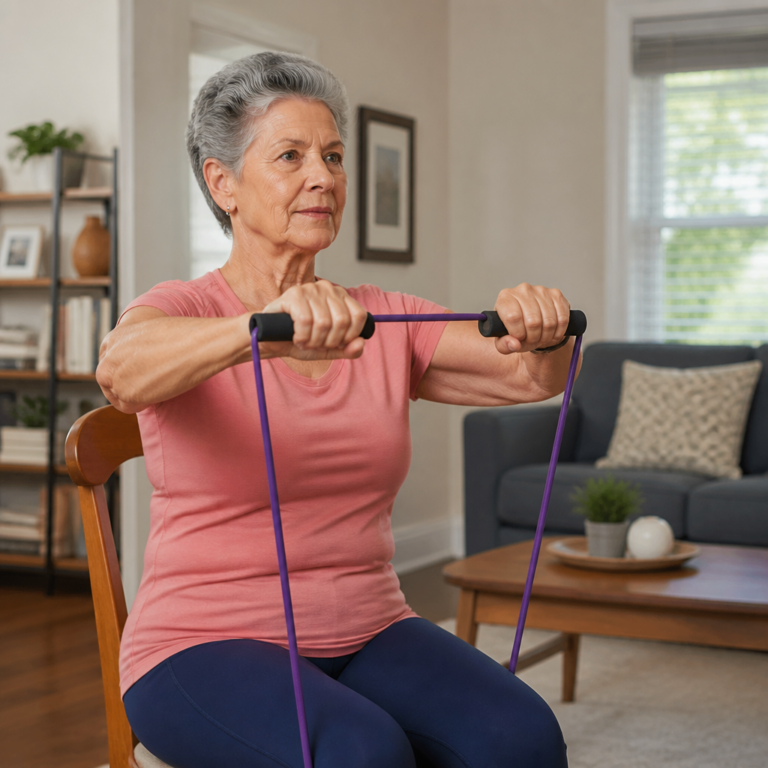
Resistance training creates tensile forces on bones through muscle contractions. With minimal equipment: bodyweight exercises (squats, lunges, push-ups, hip hinges) and resistance band exercises.
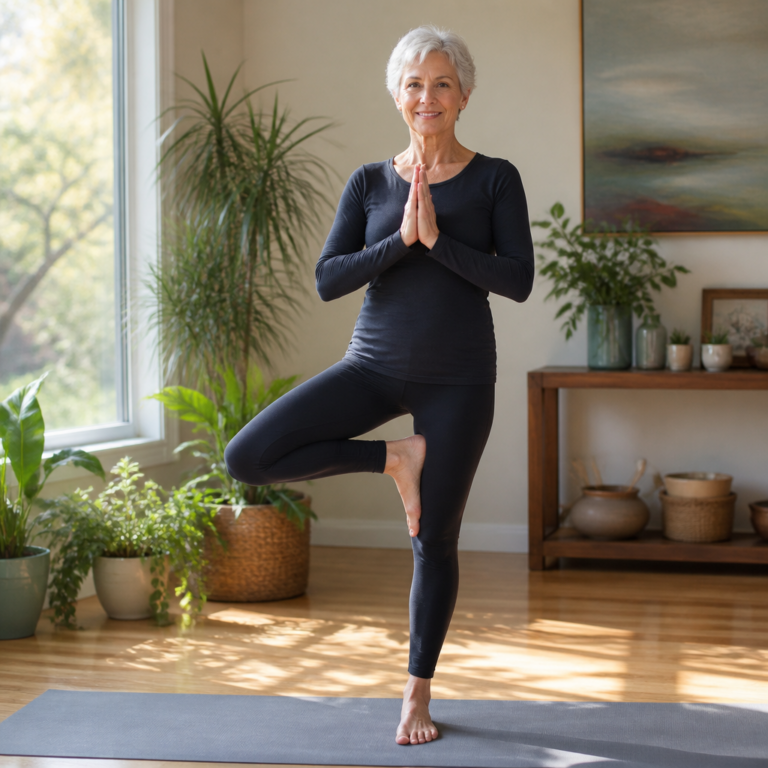
Balance training reduces fall risk. Examples: single-leg stands, tandem walks, weight shifts.
Minimal Equipment That Makes a Difference
You can start with zero equipment using bodyweight exercises. Adding a set of resistance bands (light, medium, heavy — under $30 total) significantly expands what’s possible. A pair of adjustable dumbbells opens up more targeted loading but isn’t essential to start.
A Complete Weekly Home Routine
| Day | Focus | Duration |
|---|---|---|
| Monday | Resistance training (lower body + spine) | 30–35 min |
| Tuesday | Brisk walk + balance practice | 30 min + 10 min |
| Wednesday | Resistance training (upper body + core) | 30 min |
| Thursday | Yoga or gentle movement + balance | 30–40 min |
| Friday | Resistance training (full body) | 30–35 min |
| Saturday | Longer walk or active activity | 45–60 min |
| Sunday | Rest or gentle stretching | — |
Sample Resistance Session (Lower Body)
- Bodyweight squat: 3 × 12
- Hip hinge (bodyweight or with band): 3 × 10
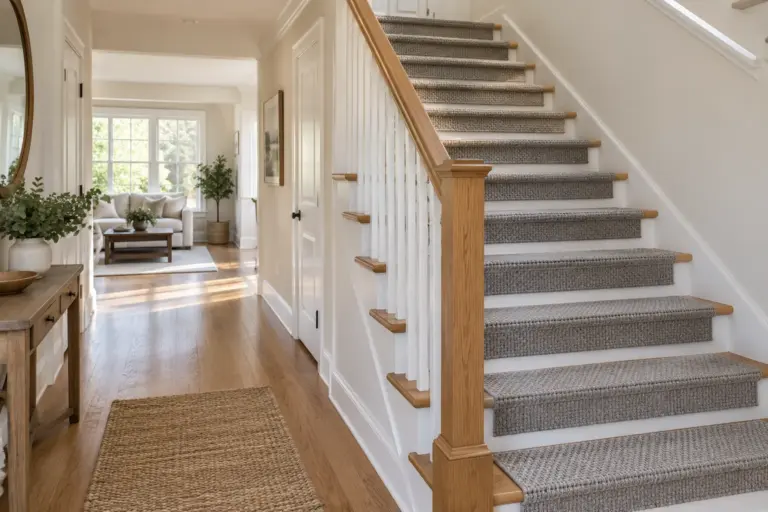
- Step-ups on a stair: 3 × 10 each leg
- Banded hip abduction: 3 × 12 each side
- Calf raise: 3 × 15
- Single-leg balance hold: 3 × 20–30 sec each side
Progression: The Key to Results
The biggest mistake people make with home exercise is doing the same thing indefinitely. Bone responds to progressive challenge. Every 2–3 weeks, increase something: more reps, slower tempo, heavier band, or add a small dumbbell. Without progression, the stimulus plateaus.
For a complete, structured program that takes care of the progression planning for you, The Bone Density Solution provides a step-by-step daily framework designed for adults over 50.
Related articles:
Strength Training After 50: A Beginner’s Guide
Resistance Band Exercises for Bone Density
Balance Exercises to Prevent Falls and Fractures After 50
Who Should Be Careful When Starting a Home Exercise Routine
Home exercise routines can be adapted to almost any fitness level, but some people should consult a healthcare professional before beginning:
- Those with a recent fracture or significant bone loss (T-score below −2.5)
- Anyone with cardiovascular conditions, joint replacements, or neurological issues
- People who have not exercised regularly in a long time
- Those experiencing pain, breathlessness, or dizziness during activity
Starting gradually and listening to your body is always the right approach. When in doubt, ask your GP or a physiotherapist to help you design a safe starting point.
Sources and Further Reading
- BHOF — Exercise and Safe Movement
- CDC STEADI — Fall Prevention for Older Adults
- Mayo Clinic — Osteoporosis and Exercise
This article is for educational purposes only. Always consult a qualified healthcare professional before starting a new exercise programme, especially if you have osteoporosis, a history of fractures or balance difficulties.