Anti-Inflammatory Foods That Support Bone Health
Disclosure: We may earn a commission if you purchase through links on this page. This does not affect our editorial assessment. See our affiliate disclosure.
When people think about bone health, they think about calcium. Maybe vitamin D. But chronic inflammation? That rarely makes the list — and it should. Persistent low-grade inflammation is increasingly recognized as one of the key drivers of bone loss, particularly in adults over 50. The good news is that what you eat has a direct and measurable effect on your body’s inflammatory state — and by extension, on your bones.
How Inflammation Damages Bone
Bone is constantly being broken down and rebuilt in a process called remodeling. Two types of cells manage this: osteoclasts (which break bone down) and osteoblasts (which build it back up). In a healthy system, these two stay in balance.
Chronic inflammation disrupts that balance. Pro-inflammatory cytokines — signaling molecules released during sustained inflammation — stimulate osteoclast activity while suppressing osteoblasts. The result: bone is broken down faster than it’s rebuilt. Over time, this tips the scale toward bone loss.
This mechanism helps explain why conditions strongly associated with chronic inflammation — rheumatoid arthritis, inflammatory bowel disease, even obesity — carry elevated osteoporosis risk. It also helps explain why lifestyle factors that drive systemic inflammation, like a poor diet, excess body fat, and chronic stress, are all independently associated with lower bone density.
The Anti-Inflammatory Diet and Bone Health
An anti-inflammatory diet isn’t a specific plan — it’s a pattern of eating that consistently lowers inflammatory markers in the body. The Mediterranean diet is the most researched example, and studies have found that adherence to Mediterranean-style eating is associated with higher bone mineral density and lower fracture risk in older adults.
The core of this approach: eat mostly whole, minimally processed foods — plenty of vegetables, fruits, legumes, whole grains, fatty fish, and healthy fats — while limiting processed foods, refined sugar, trans fats, and excess red meat. Within that framework, certain foods stand out for their bone-specific benefits.
The Best Anti-Inflammatory Foods for Bone Health
1. Fatty Fish (Salmon, Sardines, Mackerel)
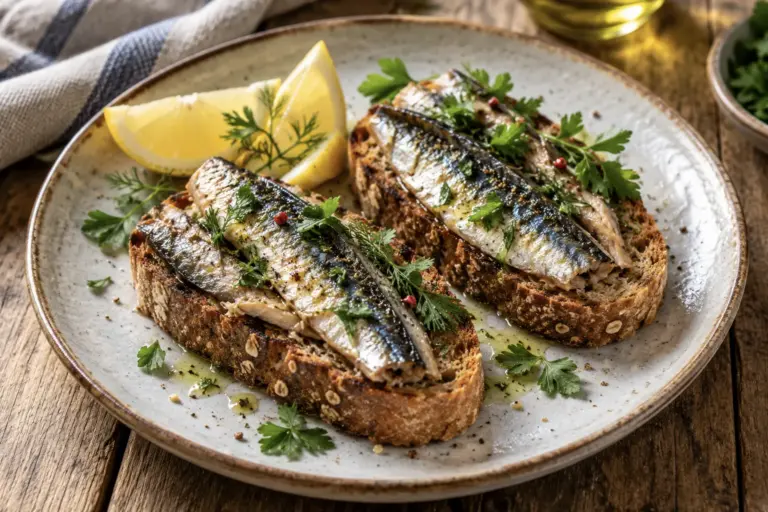
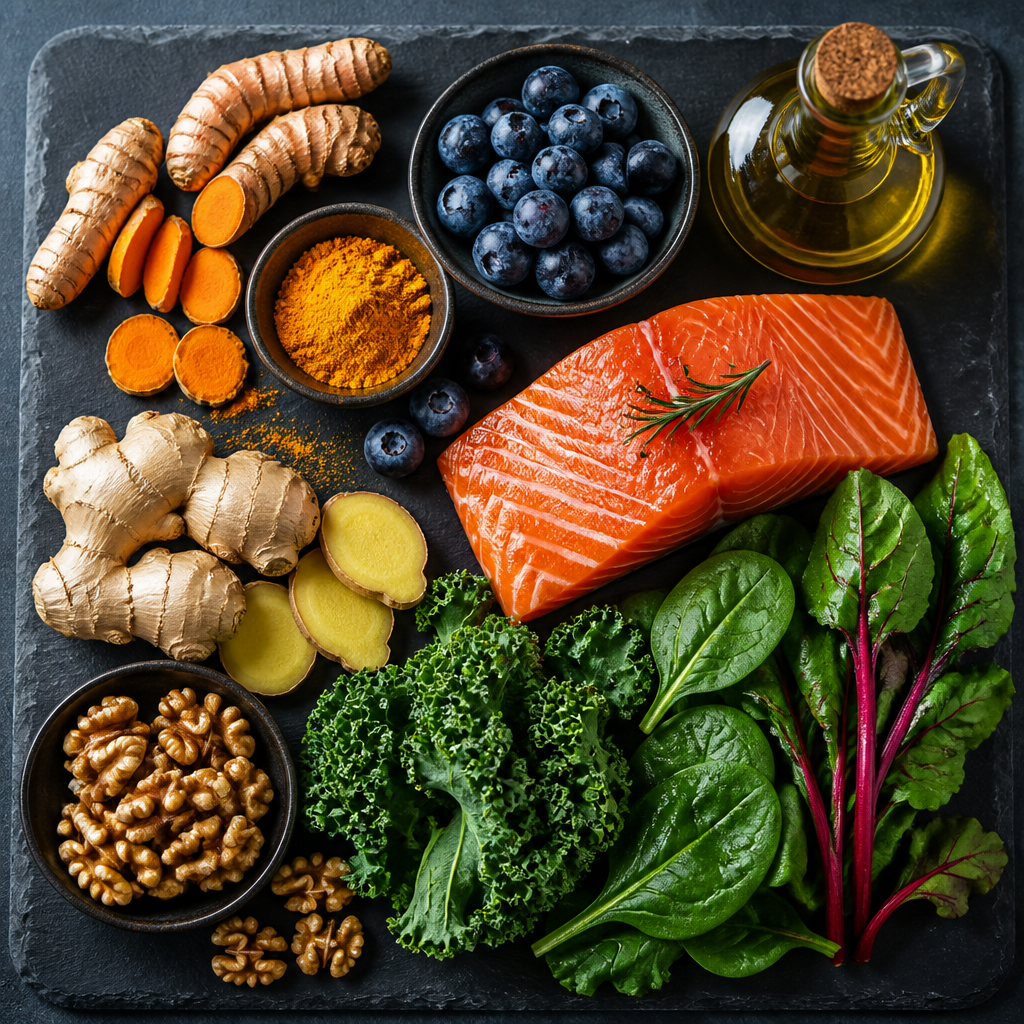
Fatty fish are among the most powerful anti-inflammatory foods available. They’re rich in omega-3 fatty acids — particularly EPA and DHA — which reduce the production of pro-inflammatory cytokines. They also provide vitamin D (one of the few dietary sources), and sardines eaten with their bones are an excellent source of calcium. Aim for two to three servings per week.
2. Leafy Green Vegetables
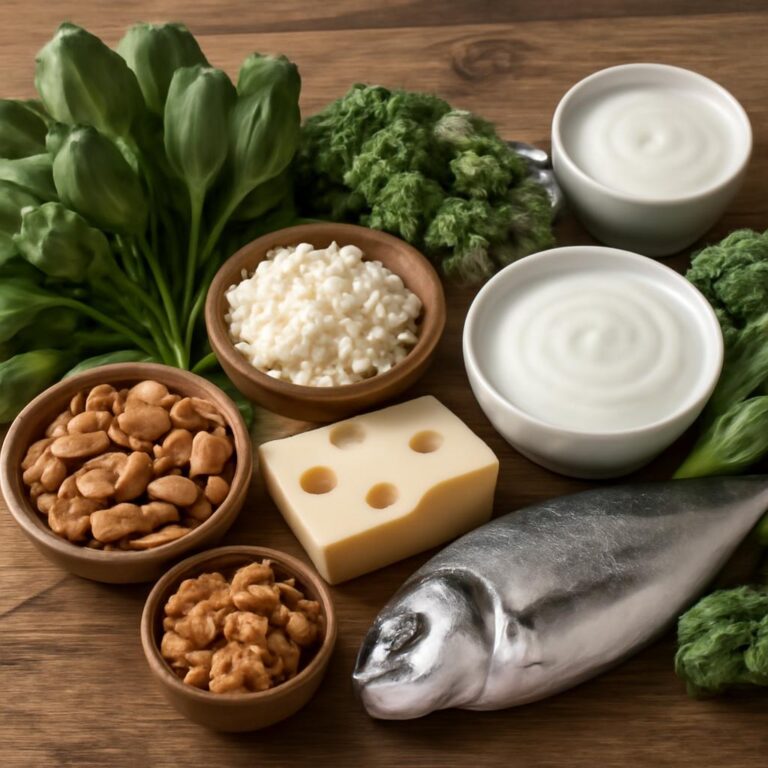
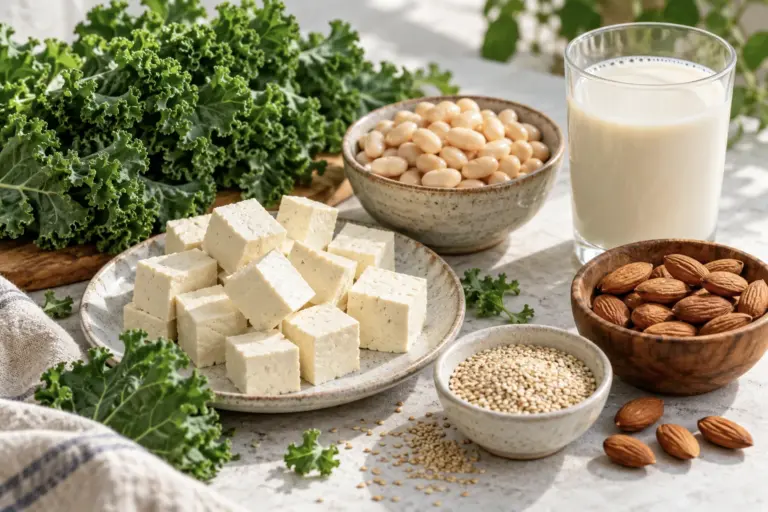
Kale, spinach, bok choy, collard greens, and broccoli tick multiple boxes simultaneously. They provide calcium (particularly bok choy and collard greens, which have better calcium bioavailability than spinach), vitamin K1 (which supports bone metabolism), magnesium, and a range of antioxidants that reduce oxidative stress and inflammation. These are among the most bone-friendly foods you can eat regularly.
3. Berries
Blueberries, strawberries, and raspberries are dense with polyphenols — particularly anthocyanins — that have demonstrated anti-inflammatory effects in multiple studies. Research has also found that polyphenol-rich diets are associated with better bone density outcomes, possibly through direct effects on osteoblast activity and oxidative stress reduction in bone tissue.
4. Extra Virgin Olive Oil
The cornerstone of the Mediterranean diet, extra virgin olive oil contains oleocanthal — a compound with anti-inflammatory properties similar in mechanism to ibuprofen, though far milder in effect. It also contains oleuropein, which some early research suggests may have direct bone-protective effects by stimulating osteoblast differentiation. Use it as your primary cooking fat and for dressings.
5. Nuts and Seeds (Especially Walnuts and Flaxseeds)
Walnuts and flaxseeds are among the richest plant sources of ALA omega-3 fatty acids, providing anti-inflammatory benefits alongside magnesium, zinc, and other bone-relevant minerals. Almonds and sesame seeds (tahini) also contribute meaningful calcium. A small handful of nuts daily is associated with better cardiometabolic and bone health outcomes in observational studies.
6. Turmeric
Curcumin, the active compound in turmeric, is one of the most studied natural anti-inflammatory agents. Some research suggests curcumin may also have direct effects on bone metabolism — inhibiting osteoclast activity and promoting osteoblast function. Bioavailability is low from food alone; black pepper (piperine) significantly enhances absorption. Add turmeric to soups, stews, and rice dishes, or consider a curcumin supplement with piperine if you want a more consistent intake.
7. Green Tea
Green tea contains epigallocatechin gallate (EGCG), a potent antioxidant that has demonstrated anti-inflammatory and bone-protective effects in cell and animal studies. Observational data from Japan and China — where green tea consumption is high — suggest associations with better bone density in women. It’s a simple daily habit worth adopting.
8. Legumes (Lentils, Chickpeas, Black Beans)
Legumes are underrated in the bone health conversation. They provide magnesium, potassium, and some calcium, alongside plant protein and fiber that supports gut health — which in turn influences how well you absorb bone nutrients. They’re also low in inflammatory compounds and high in polyphenols. Regular legume consumption is a feature of virtually every traditional diet associated with good bone health outcomes.
9. Fermented Foods (Kefir, Yogurt, Natto)
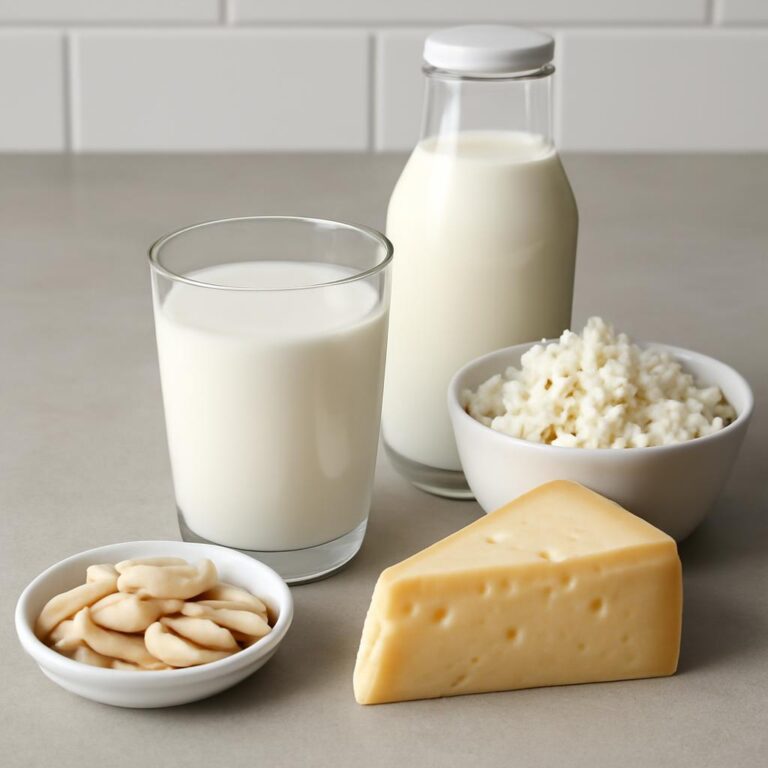
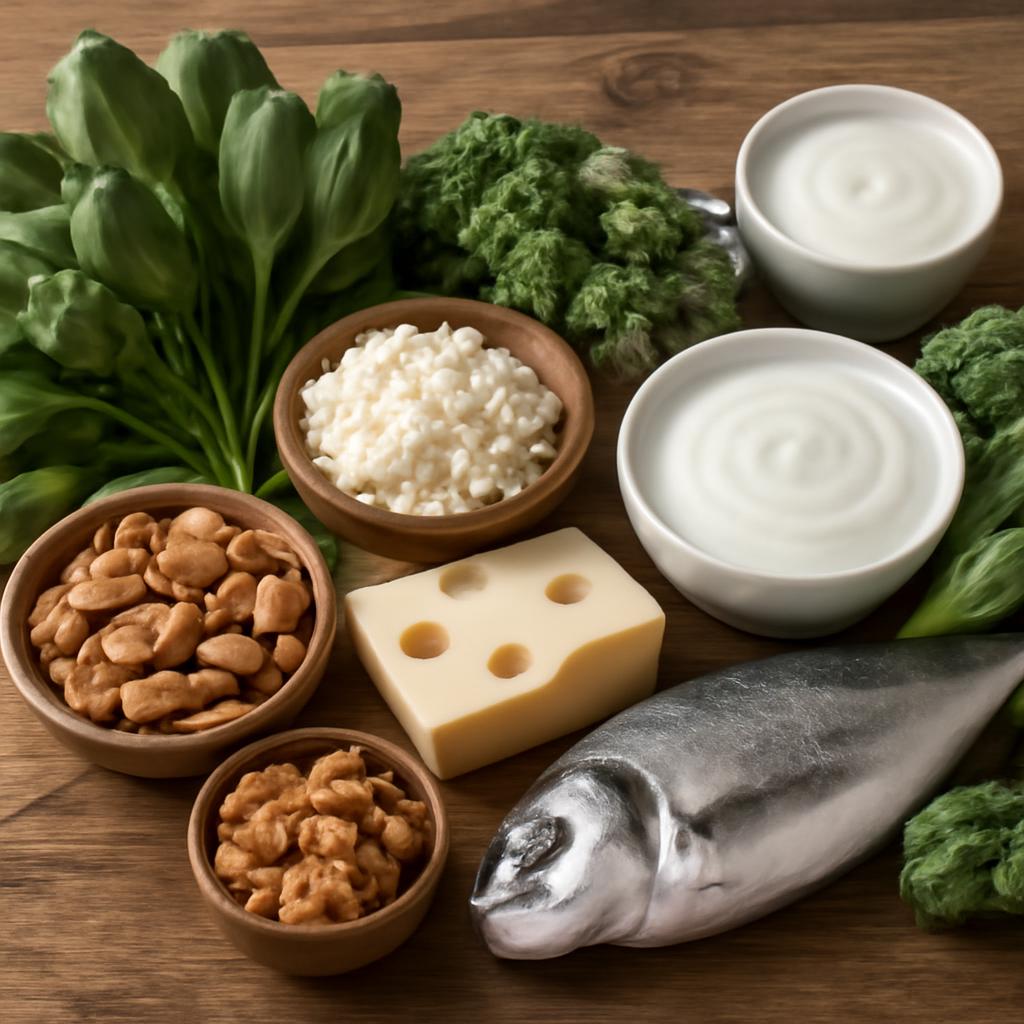
Fermented dairy — particularly kefir and yogurt — provides calcium and protein alongside probiotics that support gut microbiome diversity. Emerging research suggests the gut microbiome plays a meaningful role in bone metabolism, partly through its effects on calcium absorption and systemic inflammation. Natto, a fermented soybean product, is additionally one of the best sources of vitamin K2 — making it arguably the most bone-specific fermented food available, though an acquired taste.
10. Ginger
Like turmeric, ginger contains bioactive compounds — gingerols and shogaols — with demonstrated anti-inflammatory properties. It’s easy to incorporate: fresh ginger in stir-fries and soups, ginger tea, or grated into dressings. While the direct bone research is limited, its anti-inflammatory effects are well-established, and reducing systemic inflammation benefits bones indirectly.
Foods That Drive Inflammation (And Hurt Your Bones)
An anti-inflammatory diet isn’t just about what you add — it’s equally about what you reduce. The following dietary patterns are associated with higher inflammatory markers and worse bone health outcomes:
- Ultra-processed foods: High in refined carbohydrates, industrial seed oils, and additives that promote inflammatory pathways.
- Excess added sugar: High sugar intake is associated with elevated inflammatory markers and may directly interfere with calcium absorption.
- Trans fats: Found in some margarines and processed snacks; strongly pro-inflammatory.
- Excess alcohol: Beyond its direct toxic effects on osteoblasts, alcohol promotes inflammation and impairs nutrient absorption.
- Excessive red and processed meat: Particularly processed meats (bacon, sausages, deli meats) are associated with higher inflammatory markers.
None of this requires perfection. A dietary pattern that’s predominantly anti-inflammatory — even with occasional indulgences — can make a meaningful difference over time.
Putting It Together: A Sample Day
Breakfast: Greek yogurt with blueberries, a handful of walnuts, and a drizzle of honey. Green tea.
Lunch: Large salad with leafy greens, chickpeas, sardines, extra virgin olive oil and lemon dressing.
Dinner: Baked salmon with turmeric-spiced roasted vegetables and a side of lentils.
Snacks: An apple with almond butter, or a small handful of mixed nuts.
This kind of eating pattern covers calcium, vitamin D, magnesium, vitamin K, omega-3s, and a broad range of anti-inflammatory compounds — all in a day that doesn’t feel like a medical protocol.
The Bigger Picture
Diet is foundational, but it works best alongside targeted supplementation (especially vitamin D and K2 if you’re not getting enough from food), regular weight-bearing and resistance exercise, and good sleep. For those looking for a structured approach that integrates all of these elements into a daily routine, The Bone Density Solution offers a practical, step-by-step program designed specifically for adults over 50.
Chronic inflammation is a quiet but real threat to your bones. The foods you eat every day are one of the most direct ways to address it.
Related articles:
The Best Foods for Stronger Bones
Calcium, Vitamin D & Beyond: What Your Bones Need
Magnesium and Bone Health: a mineral often present in insufficient amounts
Vitamin K2 and Bone Health: one factor worth understanding
Sources and Further Reading
- Harvard Health — Foods That Fight Inflammation
- NIAMS — Bone Health and Osteoporosis
- PubMed — Anti-Inflammatory Diet and Bone Health
- Bone Health and Osteoporosis Foundation (BHOF). Nutrition and Bone Health.
- Schett G, Gravallese E. Bone erosion in rheumatoid arthritis: mechanisms, diagnosis and treatment. Nature Reviews Rheumatology, 2013.
- National Institutes of Health Office of Dietary Supplements. Calcium: Fact Sheet for Health Professionals.
This article is for educational purposes only and does not replace advice from a qualified healthcare professional.
The Bone Density Solution
A structured program specifically designed for adults over 50 to improve bone density through diet, exercise, and lifestyle changes. Takes an integrated approach to reducing fracture risk.
Check The Bone Density Solution →Affiliate link — we may earn a commission at no extra cost to you. Full disclosure.
Disclosure: This article contains affiliate links. We may earn a small commission if you purchase through our links, at no extra cost to you.
Medical disclaimer: This article is for informational purposes only and is not medical advice. Consult your physician before changing supplements, medications or exercise routines, especially if you have been diagnosed with osteopenia or osteoporosis. See our full medical disclaimer.