Can Lifestyle Changes Help With Osteoporosis? What the Evidence Shows
Disclosure: We may earn a commission if you purchase through links on this page. This does not affect our editorial assessment. See our affiliate disclosure.
Disclosure: This article contains affiliate links. We may earn a small commission if you purchase through our links, at no extra cost to you.
This is one of the most searched questions in bone health — and one where the honest answer is more nuanced than either “yes” or “no.” Can you improve bone health through lifestyle habits? The short answer: some people experience improvement in bone mineral density, and reducing key risk factors may lower fracture probability over time, through natural means. Whether that constitutes a true “reversal” depends on how you define the word — and how far along bone loss has progressed.
Understanding What “Reversing” Means
Osteoporosis is defined by a DEXA T-score at or below -2.5. “Reversing” it in a strict sense would mean improving bone mineral density enough to bring your T-score above -2.5 — back into osteopenic or normal range. This is genuinely possible in some cases, particularly in people who are earlier in the process, who address multiple factors simultaneously, and who are consistent over a period of years.
But even when the T-score improvement doesn’t cross the -2.5 threshold, meaningful improvements in bone density reduce fracture risk substantially. An improvement of 5–10% in bone density translates into a significant reduction in fracture probability — which is ultimately what matters most for your quality of life and independence.
What Natural Interventions Can Actually Do
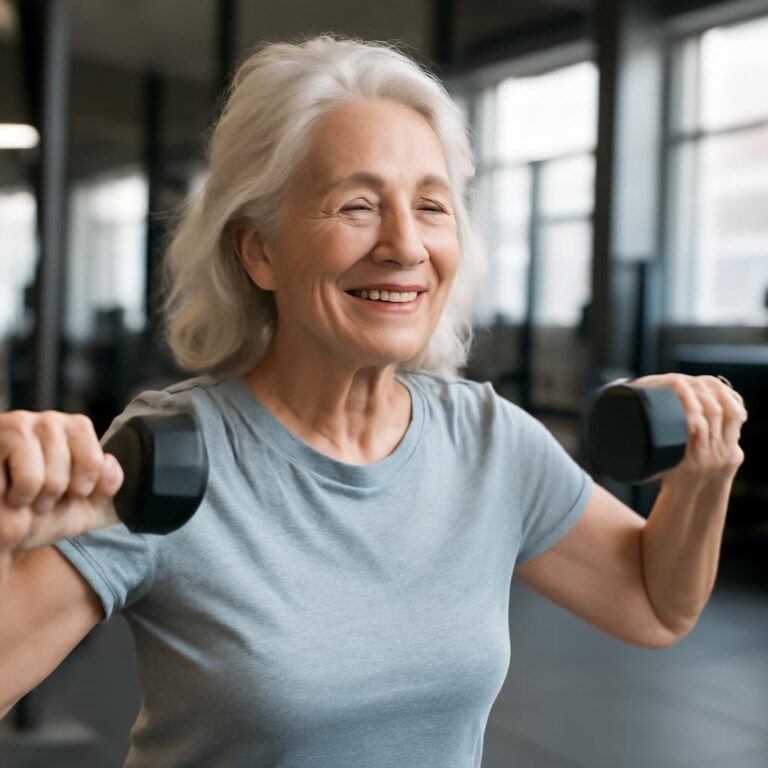
Resistance training is the most powerful natural intervention for bone density. The LIFTMOR trial demonstrated that high-intensity resistance training produced significant increases in femoral neck and lumbar spine bone density in postmenopausal women with low bone mass — in some cases moving participants from osteoporotic to osteopenic classification. This is as close to natural reversal as the evidence gets.
Nutrition optimization — ensuring adequate calcium, vitamin D (to optimal blood levels, not just the minimum), vitamin K2, magnesium, and protein — removes the nutritional deficiencies that accelerate bone loss and provides the raw materials for bone formation. Individually, each nutrient makes a modest contribution. Together, they form an essential foundation.
Lifestyle modification — stopping smoking, moderating alcohol, improving sleep quality, managing chronic stress — removes active drivers of bone loss. These aren’t small factors: smoking alone accounts for approximately 10% lower bone density in female smokers, and quitting produces measurable recovery over time.
Realistic Expectations
It’s important to be honest about what natural interventions can and cannot achieve. Bone density gains from lifestyle changes are typically in the range of 1–5% over one to two years. This is meaningful — it can shift you across classification thresholds and measurably reduce fracture risk — but it’s not the dramatic recovery that some overly optimistic sources suggest.
For people with severe osteoporosis, or those who have already had fragility fractures, medical treatment alongside lifestyle changes is likely necessary to adequately reduce fracture risk. Natural interventions and medical treatment are not mutually exclusive — they work best together.
The Key Variables
Several factors influence how much improvement is achievable through natural means:
- Starting point: Earlier stage osteoporosis or osteopenia responds better to lifestyle intervention than advanced osteoporosis.
- Age: Younger postmenopausal women have more potential for bone density improvement than very elderly adults, though benefits occur at all ages.
- Consistency and duration: Bone remodeling takes time. Six months is not enough to draw conclusions; two to three years of consistent effort is where meaningful changes become measurable.
- Comprehensiveness: Doing one thing (just taking calcium, or just walking) produces limited results. Addressing exercise, nutrition, supplementation, and lifestyle factors together produces the strongest outcomes.
A Structured Approach Makes a Real Difference
The challenge with natural bone health improvement is that it requires coordinating multiple factors simultaneously — and maintaining consistency over years, not weeks. This is genuinely difficult without a clear framework.
Programs like The Bone Density Solution are designed specifically for this challenge — providing a structured, step-by-step daily program that integrates the exercise, nutrition, and lifestyle strategies that research supports. For people who want to take a comprehensive natural approach to improving their bone density, having a clear framework to follow makes the difference between sporadic effort and consistent progress.
Can you improve bone health through lifestyle habits? For many people, meaningfully improving bone density through natural means is genuinely achievable. Whether that improvement is enough to fully reverse the classification depends on individual circumstances — but the direction of change, and its impact on your fracture risk and quality of life, is within your influence.
Related articles:
Osteoporosis vs Osteopenia: What’s the Difference?
Strength Training After 50: A Beginner’s Guide
Should You Take a Bone Health Supplement Stack?
Related Articles
Sources and Further Reading
- NIAMS — Osteoporosis Overview
- Bone Health & Osteoporosis Foundation — Treatment Options
- Mayo Clinic — Osteoporosis Treatment
- NHS — Osteoporosis Treatment
This article is for educational purposes only and is not a substitute for medical advice or professional diagnosis. If you have been diagnosed with osteoporosis, always work with a qualified healthcare professional on your treatment and management plan.
Medical disclaimer: This article is for informational purposes only and is not medical advice. Consult your physician before changing supplements, medications or exercise routines, especially if you have been diagnosed with osteopenia or osteoporosis. See our full medical disclaimer.